Fiesta
Cabalgata de los Reyes Magos 2026
Cabalgata de los Reyes Magos in Andalucía A Night of Magic, Faith, and Deep-Rooted Tradition Every year on 5 January, towns and cities across Andalucía transform into living fairy tales during the Cabalgata de los Reyes Magos—one of the most beloved and emotionally charged celebrations in southern Spain. Streets fill with music, color, sweets, and…
- Dates
- 5 January
- How often
- Annual, always the evening of 5 January.
- Highlights
- Processions run through the evening of 5 January in towns across all eight provinces. Children receive presents on the morning of 6 January, not on Christmas Day.
Cabalgata de los Reyes Magos in Andalucía
A Night of Magic, Faith, and Deep-Rooted Tradition
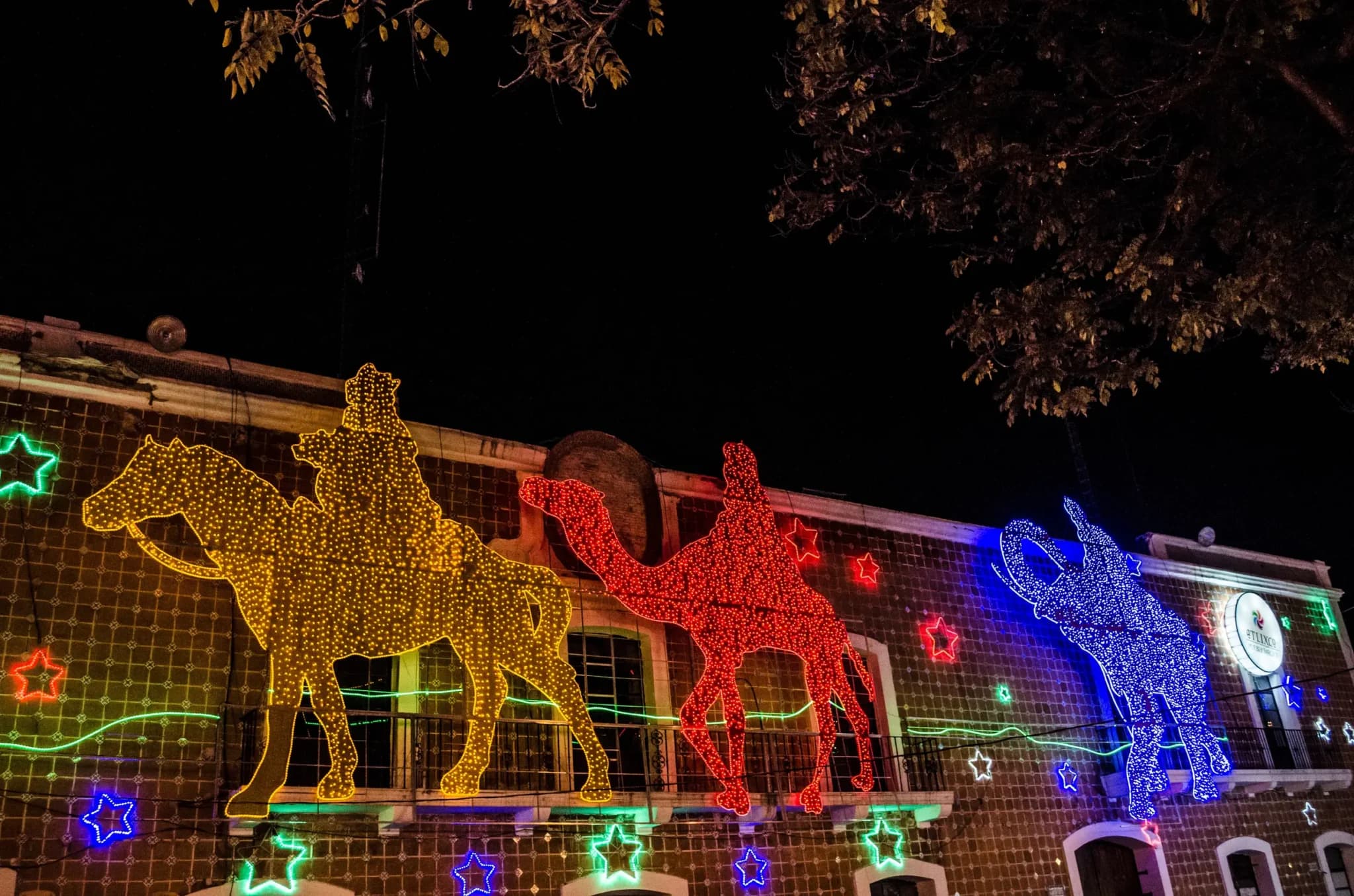
Every year on 5 January, towns and cities across Andalucía transform into living fairy tales during the Cabalgata de los Reyes Magos—one of the most beloved and emotionally charged celebrations in southern Spain. Streets fill with music, color, sweets, and excited children as the Three Wise Men parade through the city, reenacting a story that has shaped Spanish culture for centuries.
But this event is far more than a parade. It is a celebration of faith, generosity, childhood wonder, and community, deeply rooted in history and tradition.
Why Do We Celebrate the Reyes Magos?
The celebration is based on the Biblical story of the Three Wise Men—Melchor, Gaspar, and Baltasar—who followed a star to Bethlehem to visit the newborn Jesus. According to Christian tradition, they brought three symbolic gifts:
- Gold – representing kingship
- Frankincense – symbolising divinity
- Myrrh – foreshadowing sacrifice and humanity
In Spain, and especially in Andalucía, the Reyes Magos are more important than Santa Claus. Traditionally, children receive their presents on the morning of 6 January, not on Christmas Day.
The Cabalgata symbolises the arrival of the Kings, bringing joy, hope, and gifts to children who have behaved well throughout the year.
The Night of 5 January: A Magical Evening
On the evening of 5 January, the Reyes Magos “arrive” in every town and city, often by boat, horse, or elaborate floats. The Cabalgata is a moving spectacle, with:
- Lavishly decorated floats (carrozas)
- Costumed pages and performers
- Live music, choirs, and dance groups
- Thousands of kilos of sweets thrown to the crowd
Children line the streets holding bags, shouting “¡Melchor! ¡Gaspar! ¡Baltasar!” in hopes of catching candies or waving directly to their favourite King.
In Andalucía, these parades are especially grand, blending religious symbolism with festive joy in a uniquely southern style.
Cabalgatas Across Andalucía – Province by Province
The Cabalgata de los Reyes Magos is celebrated in all eight provinces of Andalucía, from major cities to the smallest villages. While every town adds its own personality, the spirit is the same everywhere: community, tradition, and magic.
Below you’ll find a complete provincial overview, with detailed timetables for the main cities.
⚠️ Please note: exact routes and times can change slightly each year, but the schedules below reflect the traditional and most common timings used by municipalities.
Sevilla Province
⭐ Sevilla
One of the largest and most famous Cabalgatas in Spain, organised by the Ateneo de Sevilla.
Sevilla Organized by the Ateneo de Sevilla, this is one of the most grand displays in Spain.
- Official 2026 Timetable:
- 16:15 – Parade departure (University of Sevilla – Palos de la Frontera)
- 22:00 – Parade ends (approximate return to University)
- Official Link: Ateneo de Sevilla – Itinerary & Times
Highlights:
- Over 30 floats
- Thousands of kilos of sweets
- Huge crowds along the historic centre
Other towns:
- Dos Hermanas – Afternoon parade, very family-oriented
- Alcalá de Guadaíra – Strong local participation and music bands
Málaga Province
⭐ Málaga
Famous for the arrival of the Kings by boat at the port.
Official 2026 Timetable:
- 17:30 – Arrival at Málaga City Hall (Official Reception)
- 18:00 – Parade begins
- 20:30 – Arrival at the Cathedral for the offering
Official Link: Málaga City Council – Holiday Events
Highlights:
- Coastal setting
- Modern and traditional floats combined
Other towns:
- Marbella – Kings often arrive by boat
- Ronda – Intimate parade with dramatic scenery
Granada Province
⭐ Granada
A magical setting with the Alhambra as a silent witness.
Official 2026 Timetable:
- 17:00 – Parade starts (Jardines del Triunfo)
- 21:00 – Parade ends (Plaza del Carmen)
Official Link: Granada City Council – Mobility & Routes
Highlights:
- Historic streets
- Traditional Andalusian music
Other towns:
- Motril – Kings arrive by sea
- Guadix – Strong religious focus
Córdoba Province
⭐ Córdoba
A more classic and elegant Cabalgata, very popular with families.
Official 2026 Timetable:
- 17:00 – Parade departure (Plaza de Santa Teresa)
- 21:30–22:00 – Parade ends (Plaza Cristo de Gracia)
Official Link: Zoom TV Córdoba – Official 2026 Schedule
Highlights:
- Calm, traditional atmosphere
- Excellent for young children
Other towns:
- Lucena – Very community-driven
- Priego de Córdoba – Scenic historic route
Cádiz Province
⭐ Cádiz
Known for humour, creativity, and Carnaval-style flair.
Official 2026 Timetable:
- 18:00 – Parade starts (Glorieta Ana Orantes)
- 21:00 – Arrival at Plaza de San Juan de Dios
Official Link: Cádiz Municipality – Christmas Program
Highlights:
- Playful costumes
- Local jokes and satire
Other towns:
- Jerez de la Frontera – Elegant and horse-themed elements
- San Fernando – Strong family focus
Huelva Province
⭐ Huelva
A warm, welcoming Cabalgata with a strong neighbourhood feel.
Official 2026 Timetable:
- 15:30 – Parade begins (Centro Social de La Orden)
- 21:00 – Arrival at City Hall
Official Link: Huelva Información – Official Itinerary
Other towns:
- Lepe – Very popular with children
- Ayamonte – Coastal charm near Portugal
Jaén Province
⭐ Jaén
More traditional and intimate, deeply rooted in faith.
Official 2026 Timetable:
- 18:30 – Parade starts (Plaza de Santa María)
- 21:00 – Parade ends
Official Link: Ayuntamiento de Jaén – Fiestas
Other towns:
- Úbeda – UNESCO-listed setting
- Baeza – Historic and elegant
Almería Province
⭐ Almería
Bright, lively, and increasingly popular.
Official 2026 Timetable:
- 17:45 – Kings leave the Cathedral
- 19:00 – Official Parade Start (Rambla Federico García Lorca)
Official Link: Andalucia.org – Almería Events
Other towns:
- Roquetas de Mar – Large modern Cabalgata
- El Ejido – Strong local participation
One Region, Eight Provinces, Endless Magic
From the grand avenues of Sevilla to the smallest white villages in the Alpujarras or Sierra Morena, the Cabalgata de los Reyes Magos unites all of Andalucía in one unforgettable night.
No matter where you are on 5 January, you’ll find:
- Music in the streets
- Children waiting with shining eyes
- And a community celebrating together
Even the smallest white villages hold their own Cabalgatas, proving that no place in Andalucía is too small for magic.
Traditions at Home: Shoes, Letters, and Roscón
The Cabalgata is only part of the experience. At home, Andalusian families follow cherished traditions:
- Children write letters to the Reyes Magos weeks in advance
- On the night of 5 January, shoes are placed near the door or window, sometimes with straw or water for the Kings’ camels
- In the morning, families share Roscón de Reyes, a sweet ring-shaped cake
Inside the Roscón are two surprises:
- A small figurine – brings good luck
- A dry bean – whoever finds it must buy next year’s cake
More Than a Children’s Festival
While children are at the heart of the Cabalgata, adults are just as emotionally connected. For many Andalusians, this night represents:
- A link to childhood memories
- A sense of shared identity and tradition
- The joy of seeing streets filled with neighbours, families, and friends
The Cabalgata also promotes values such as generosity, hope, and kindness, reminding communities to look after one another—especially important in challenging times.
A Celebration of Faith, Culture, and Community
In Andalucía, the Cabalgata de los Reyes Magos is not simply an event—it is a living tradition passed from generation to generation. It blends religion, folklore, festivity, and emotion in a way few celebrations can.
Whether you experience it in a major city or a small village, one thing is certain:
On the night of 5 January, Andalucía truly believes in magic.