 Travel
Province
Seville
The regional capital. Flamenco, the Alcázar and the Cathedral, and the two events that define the Andalusian year — Semana Santa and the Feria de Abril.
- Main airport
- Seville (SVQ) — 10 km from the centre, bus EA every 20–30 min
- Best months
- March–May and late September–November. July and August regularly pass 40 °C.
- Getting there
- AVE from Madrid in 2 h 30. Direct high-speed links to Córdoba (45 min) and Málaga (2 h). No car needed for the city itself.
The Soul of Andalusia: A Comprehensive Guide to Seville Province
Seville, the capital and heart of Andalusia, is a province of unparalleled historical and cultural significance. For centuries, it has served as a crossroads of civilizations, a crucible of artistic expression, and a gateway to the New World. From the vibrant streets of its capital city to the serene beauty of its rural landscapes, Seville is a living testament to a rich past that has profoundly shaped Spanish identity. This detailed guide explores the many facets of this extraordinary province, delving into its glorious history, its dynamic culture, its unique gastronomy, and its powerful modern economy.
The Bridge Between Continents: A Journey Through Seville’s History
Seville’s history is a grand epic, a narrative of empires, trade, and cultural synthesis. Each era has left an indelible mark on the province, creating a unique and complex identity.
Roman and Almohad Foundations
The history of the city of Seville began with the Roman settlement of Hispalis, an important administrative and commercial center in the province of Hispania Baetica. The Romans built temples, a forum, and a flourishing port on the Guadalquivir River. The remains of the Roman city of Itálica, just a few kilometers northwest of Seville, with its magnificent amphitheater and mosaics, stand as a testament to the region’s Roman grandeur.
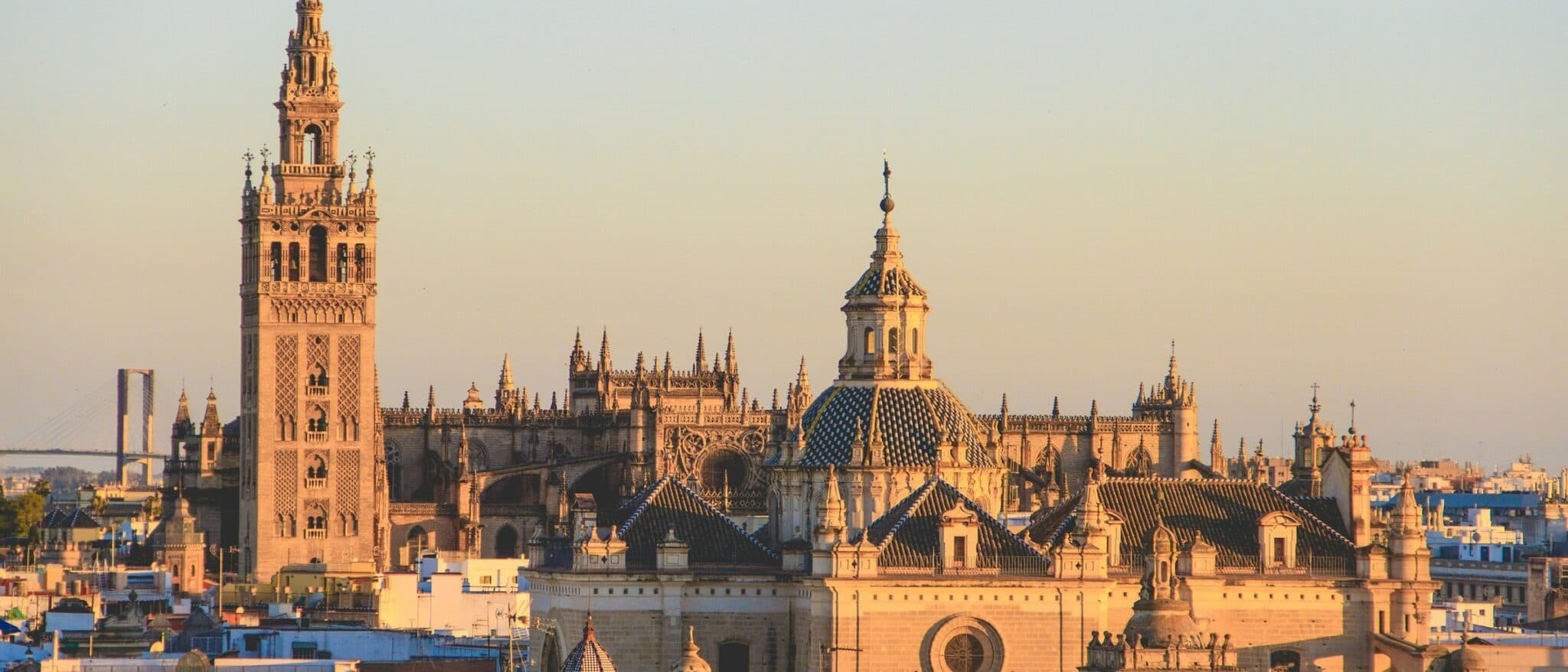
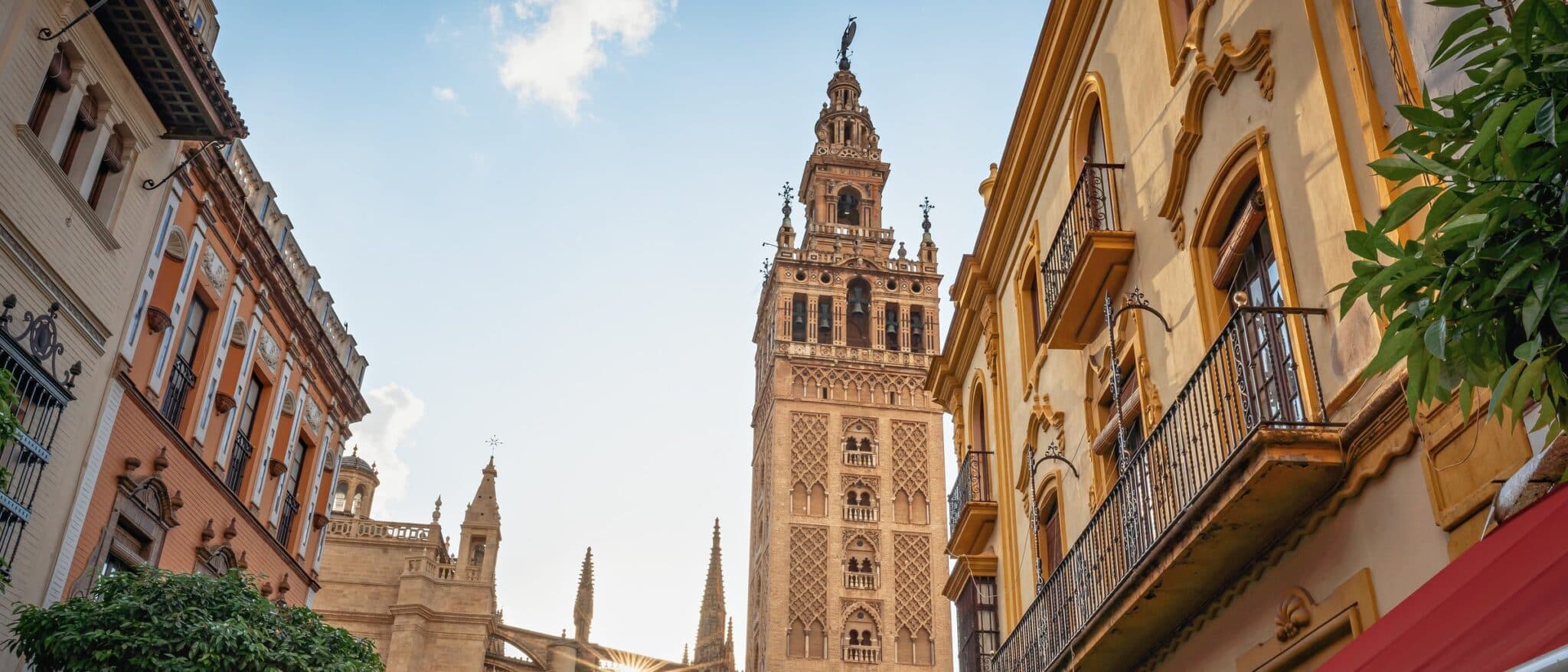
The arrival of the Moors in 712 AD ushered in a new era. Seville became a key city within Al-Andalus, but its true golden age came under the Almohad Caliphate in the 12th century. The Almohads made Seville their capital, transforming it into one of the largest and most prosperous cities in the world. They constructed the Giralda, a masterpiece of Almohad architecture that served as the minaret of the city’s Great Mosque, and the Torre del Oro (Tower of Gold), a defensive octagonal tower that guarded the river and the city’s port. The Alcázar palace complex, originally a Moorish fortress, was significantly expanded and beautified during this period.
The Golden Age of Discovery
In 1248, King Ferdinand III of Castile captured Seville, and the city’s mosque was converted into a Christian cathedral. This marked a turning point, but the province’s greatest moment of historical importance was still to come. After Christopher Columbus’s voyages, Seville became the exclusive gateway for all trade with the Spanish Empire in the Americas. The Casa de Contratación (House of Trade) was established here, granting the city a monopoly that lasted until the 18th century.
This period, known as the Spanish Golden Age (Siglo de Oro), brought immense wealth to Seville. It attracted merchants, explorers, and artists from all over the world. The city’s port was constantly bustling with ships laden with gold, silver, and other goods from the New World. This wealth financed the construction of the magnificent Seville Cathedral, the largest Gothic cathedral in the world, and the Archivo General de Indias, a repository of all documents related to the Spanish Empire in the Americas.
A Vibrant Cultural Scene: The Soul of Andalusia
Seville’s culture is a fiery blend of passion, deep tradition, and artistic expression. It is a province where life is lived with a unique sense of rhythm and flair.
Flamenco: The Heartbeat of Seville
Seville and its surrounding province are considered one of the birthplaces of flamenco. The art form, with its roots in Romani, Moorish, and traditional Andalusian music, found a home in the city’s neighborhoods like Triana. The intimate tablaos and vibrant streets of Seville are the perfect setting to experience the raw power of the cante (song), the intricate footwork of the baile (dance), and the rhythmic intensity of the toque (guitar playing). The city is a major center for flamenco instruction and performance, drawing artists and enthusiasts from around the globe.
The Grand Festivals: Semana Santa and the Feria de Abril
Seville is famous for its two major festivals, which provide a powerful glimpse into its dual identity.
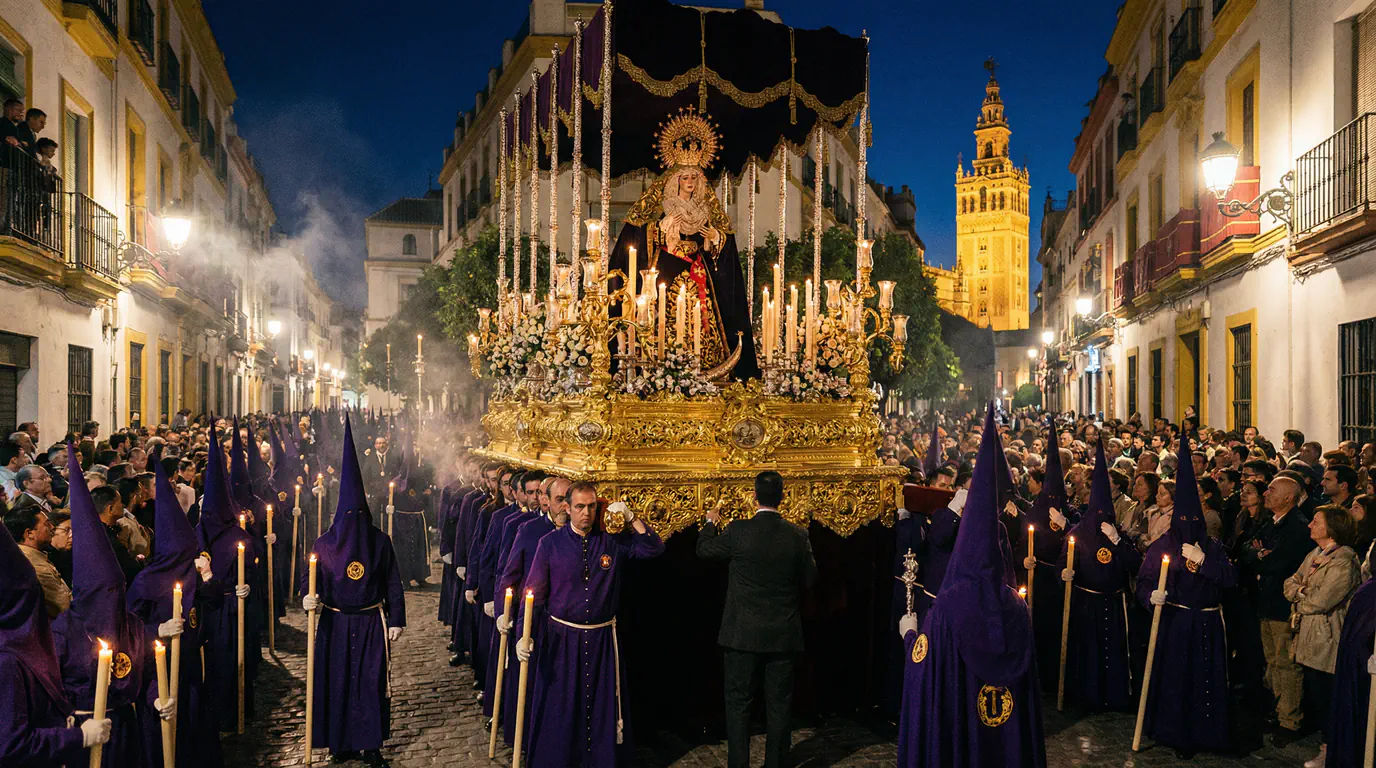
- Holy Week (Semana Santa): This week-long religious festival is one of the most solemn and emotionally charged in Spain. The city’s streets are filled with elaborate processions of floats (pasos) carrying statues of Jesus and the Virgin Mary, carried on the shoulders of brotherhoods (hermandades). The processions, accompanied by the somber music of marching bands and the spontaneous singing of saetas (traditional religious songs), are a deeply moving spiritual experience.
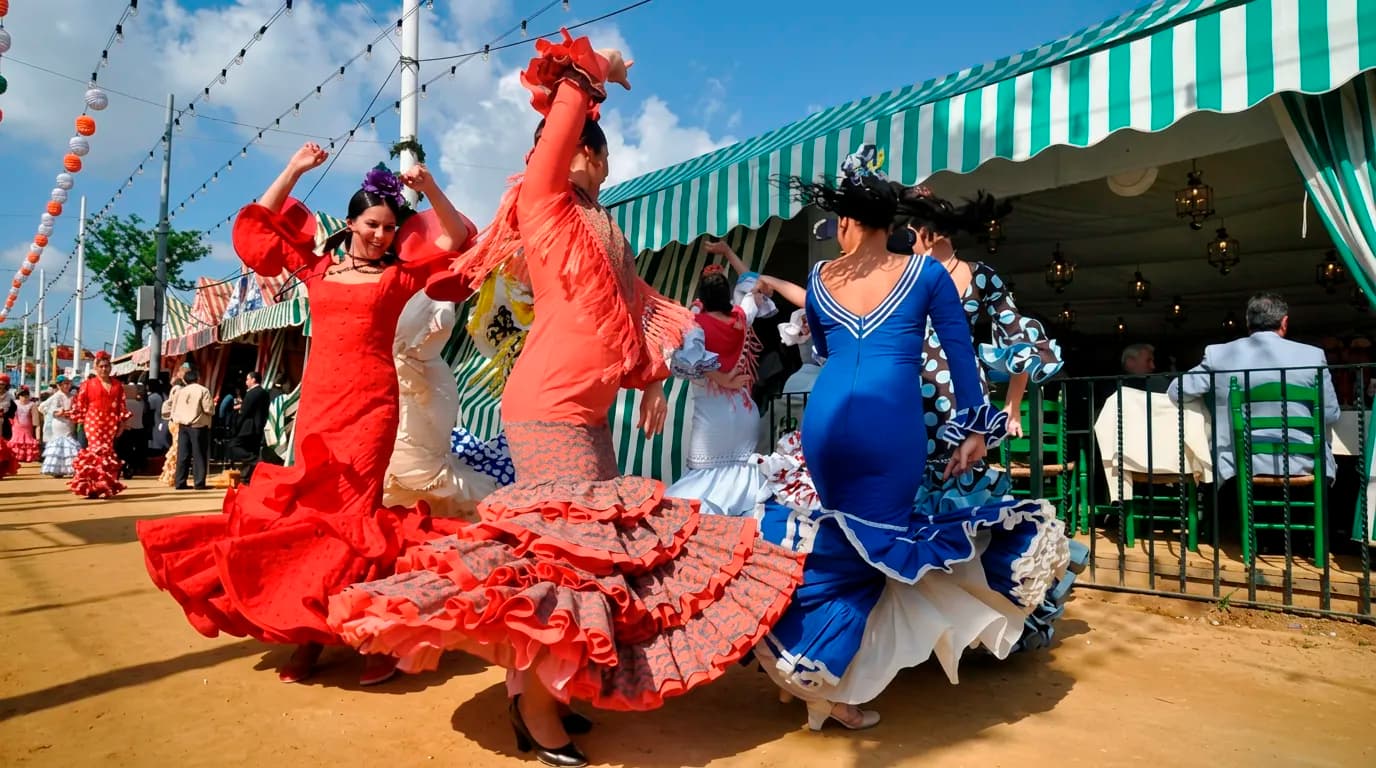
- The April Fair (Feria de Abril): A week or two after the solemnity of Holy Week, Seville explodes in a celebration of color, music, and joy. The fairground is a city within a city, with hundreds of private marquees (casetas) where families and friends gather to eat, drink, dance sevillanas, and socialize. The fair is a showcase of traditional Andalusian culture, with women wearing the beautiful traje de flamenca and men on horseback.
A Culinary and Economic Powerhouse
Seville’s gastronomy is a testament to its rich agricultural heritage and its status as a cosmopolitan port. Its modern economy is built on a foundation of tradition and innovation.
The Tapas Capital
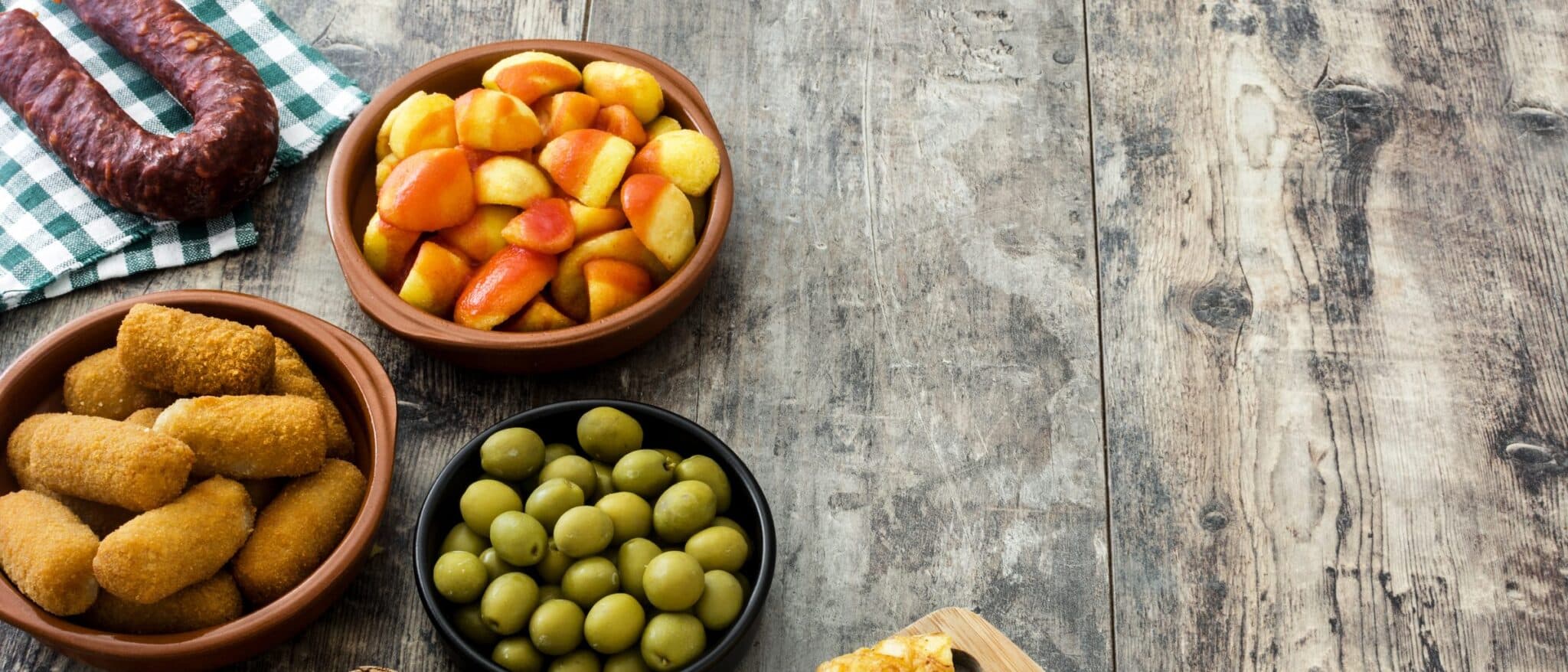
Seville is often considered the capital of tapas, the small, savory dishes that are a fundamental part of Spanish social life. The city’s bars offer a wide variety of specialties, including:
- Espincas con Garbanzos: A flavorful stew of spinach and chickpeas, a nod to the city’s Moorish culinary past.
- Solomillo al Whisky: Tender pork loin cooked in a garlic and whiskey sauce, a modern Sevillian classic.
- Pavía de Bacalao: Lightly fried strips of salt cod, a crispy and delicious tapa.
- Carrillada: Slow-cooked Iberian pork cheek that melts in your mouth.
Agriculture and Industry
The fertile plains of the Guadalquivir River basin make the province a major agricultural producer. Key crops include olives, wheat, and citrus fruits. Seville is famous for its bitter oranges, which are exported primarily to the United Kingdom for the production of marmalade.
In the modern era, the province has diversified its economy. The Port of Seville is the only commercial river port in Spain, a crucial hub for trade and logistics. The province has also become a center for the aeronautical industry, with major factories and a growing technology sector.
Geography and Natural Beauty: The Guadalquivir’s Embrace
Seville’s geography is defined by the mighty Guadalquivir River, which flows through the heart of the province, creating a landscape of fertile plains and rolling hills.
The Guadalquivir and the Campiña
The Guadalquivir Valley is a vast, flat, and fertile plain known as the Campiña. This is the agricultural heartland of the province, a landscape of rolling hills covered in fields of wheat, sunflowers, and olive groves. The Guadalquivir River is the lifeblood of this region, providing the water that has sustained agriculture and commerce for millennia.
Natural Parks and Ecosystems
To the north, the Sierra Norte de Sevilla Natural Park offers a dramatic change of scenery. This region of rolling hills and Mediterranean forests is a designated UNESCO Global Geopark. Its cork oak and holm oak forests are home to a rich biodiversity of birds and mammals.
The westernmost part of the province is bordered by the Doñana National Park, one of the most important wetlands in Europe. This protected area, a UNESCO World Heritage site, is a crucial stopover for millions of migratory birds and home to endangered species like the Iberian lynx and the Spanish Imperial Eagle.
Conclusion
Seville province is a land of unparalleled beauty, passion, and history. From the ancient stones of the Alcázar to the joyous chaos of the April Fair, it is a place that lives in the present while honoring a rich and vibrant past. It is a province of world-class monuments, deep-rooted traditions, and a people who embody the essence of the Andalusian spirit. Seville is not just a destination; it is an experience that resonates with the soul.
Travelling with children? Isla Mágica, the theme park on La Cartuja island, is the easy half-day.
Fiestas in Seville
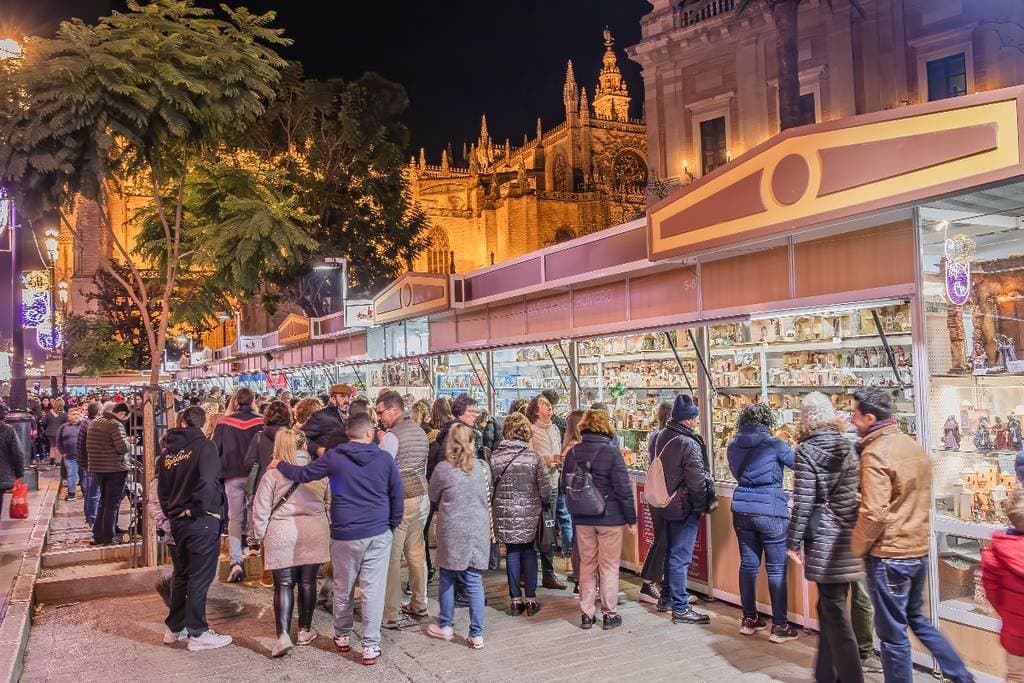
Switch-on late 2026 — lights run to 6 JanuaryExpectedChristmas lights in SevilleChristmas · SevilleSeville Christmas Lights 2025 – A Magical Guide to Navidad in Andalucía’s Capital Seville transforms into a glowing, festive wonderland every year, but Seville Christmas Lights 2025 are shaping up to be one of the most spectacular displays in all of Spain. With historic streets illuminated from end to end, videomapping shows, Christmas markets, and…21–28 March 2027 (Palm Sunday to Easter Sunday)Semana Santa in SevilleSemana Santa · SevilleAround sixty brotherhoods, wooden floats carried from inside, and one night that everything else builds towards.13–18 April 2027 (expected)ExpectedFeria de Abril, SevilleFeria · SevilleFeria de Abril in Seville is one of the most spectacular celebrations in Andalucía, and 2026 is the perfect year to experience it if you live on — or are visiting — the Costa del Sol. In 2026, the fair runs from Tuesday 21 April to Sunday 26 April, returning to its traditional spring dates…
Guides to Seville
Travel Travel
October in Seville: the month the city becomes walkable again
 Travel
September in Seville: the Bienal year, and the ten days you should not book
 Cities
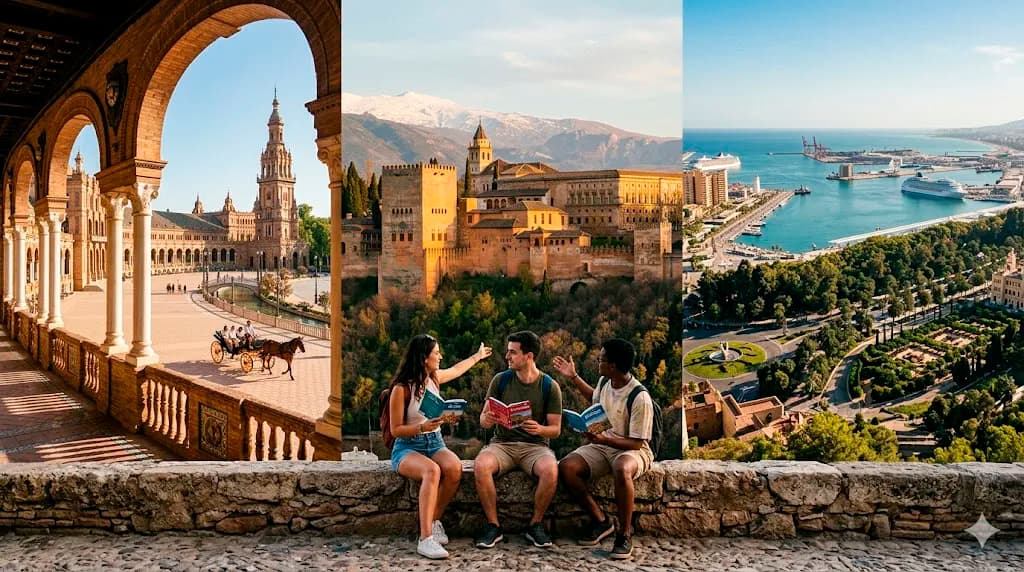
Best City in Andalucia for First-Timers: Seville, Granada or Málaga?
 Cities
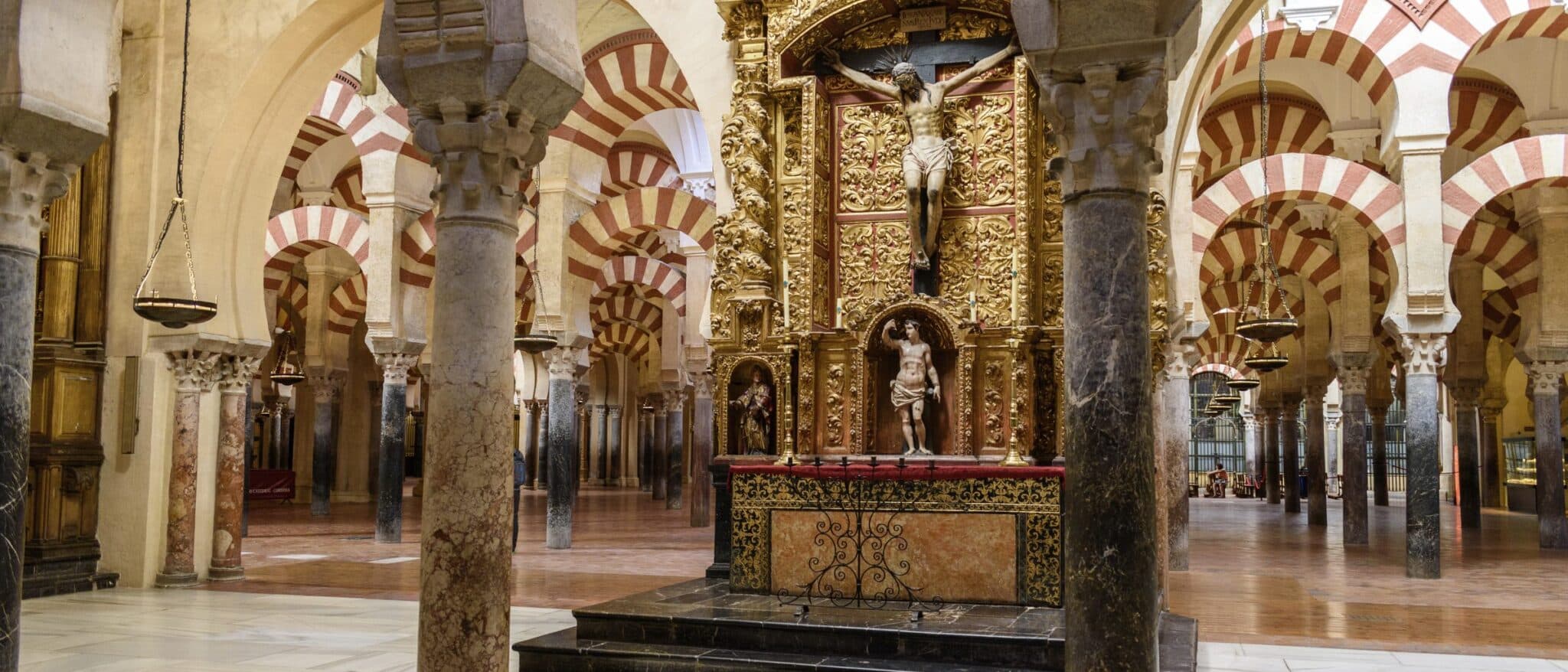
Seville vs Córdoba: Which City Should You Visit?
 Travel
Seville to Córdoba Day Trip: The Complete Guide (2026)
 Travel
Seville to Granada Day Trip: Is It Worth It?
 Food
FoodBest Tapas in Seville: Where to Eat (2026 Guide)
 Cities
Seville vs Granada: Which City Should You Visit?
 Attraction
Feria de Abril 2026 in Seville
 Blog
BlogSemana santa Seville province 2026
 Blog
Blog