 Travel
Province
Huelva
Doñana, pine forest and long empty Atlantic sand. The least visited coastal province, and the departure point of the 1492 voyage.
- Main airport
- No airport. Seville (SVQ) is about 1 h 15 by road; Faro in Portugal is a realistic alternative.
- Best months
- May–June and September. Romería del Rocío falls at Pentecost, in late spring.
- Getting there
- No rail to the coast. A car is needed for Doñana, the beaches and the Sierra de Aracena.
The Gateway to a New World: A Detailed Guide to Huelva Province
Huelva, a province in western Andalusia, is a land of profound historical significance, breathtaking natural beauty, and a unique cultural identity. Situated on the border with Portugal and facing the Atlantic Ocean, Huelva’s destiny has always been intertwined with the sea. It is a province of contrasts, from the vibrant green fields of its strawberry farms to the golden sands of its coastline, and from the rugged, rust-colored landscapes of its mines to the pristine biodiversity of its wetlands. This comprehensive guide explores the many facets of Huelva, delving deep into its past, its vibrant traditions, and its powerful modern economy.
A Story of Exploration and Industry: The History of Huelva
Huelva’s history is a compelling narrative of exploration, natural resource exploitation, and human endeavor that has shaped not just the province but the world.
Ancient Civilizations and a World of Discovery
The earliest known settlements in the region belong to the Tartessian civilization, a mysterious culture that flourished around the 1st millennium BC. Their main port, possibly located on the site of modern-day Huelva city, was a hub for trade with Phoenicians and Greeks, a testament to the region’s ancient economic importance.
The province’s most famous historical chapter, however, is its role in the Age of Discovery. Huelva is known as the “cradle of the discovery of America.” From the ports of Palos de la Frontera and Moguer, Christopher Columbus set sail on his first voyage in 1492, an event that would change the course of world history. The Huelva-born sailors, the Pinzón brothers, were instrumental in the expedition, providing two of the three caravels and leading the crew. The region, with its deep-rooted maritime tradition, was uniquely suited for such a monumental undertaking.
The British and the Mining Boom
In the 19th century, Huelva’s destiny was reshaped by a new economic force: the British. The province is home to the Río Tinto mines, one of the world’s oldest and most extensive copper and pyrite deposits, which have been exploited for over 5,000 years. The modern era of mining began when the Rio Tinto Company, a British consortium, purchased the mines in 1873.
The British brought with them advanced engineering and industrial methods, transforming the landscape and the provincial economy. They built a railway to transport minerals to the port of Huelva and constructed an impressive Victorian-style wharf, the Muelle de las Carabelas, a symbol of the city’s industrial past. The Río Tinto mines also hold a unique scientific significance due to the extreme acidity and color of the river, which have been studied as an analogue for life on Mars.
The Rhythm of Faith and Festivity: Huelva’s Cultural Identity
Huelva’s culture is deeply spiritual and celebratory, rooted in its ancient traditions and a strong sense of community.
The Romería de El Rocío: A Pilgrimage of Passion
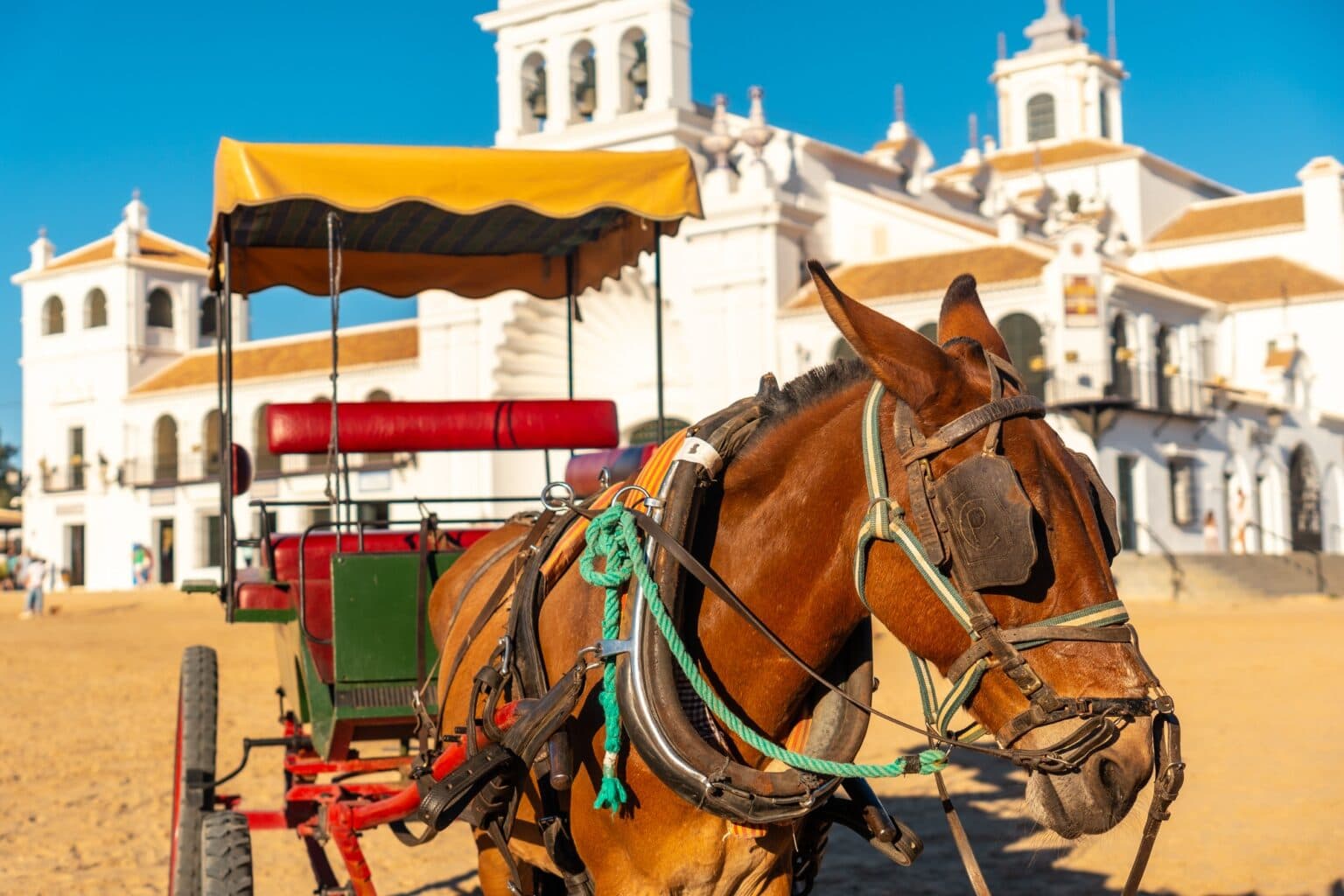
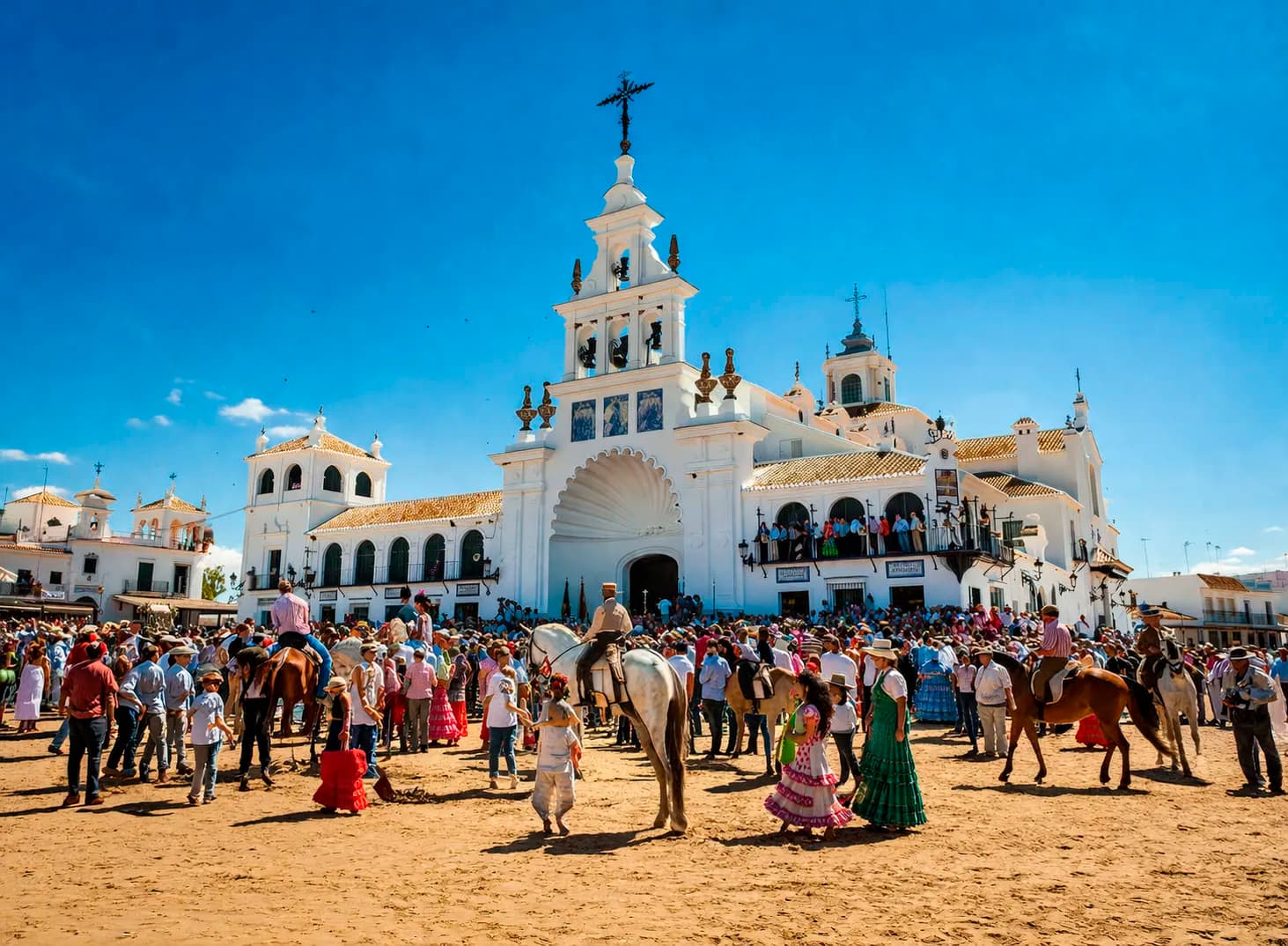
Huelva is home to one of Spain’s most famous and emotionally charged pilgrimages: the Romería de El Rocío. Held in late spring, millions of pilgrims from across Andalusia and beyond travel on foot, on horseback, or in horse-drawn carriages to the small hermitage of El Rocío in the Doñana National Park. The journey, known as the camino, is a spectacle of traditional dress, song, and fellowship, culminating in the dramatic moment when the statue of the Virgin of El Rocío is brought out of the hermitage and carried through the crowds.
Lugares Colombinos: Echoes of Discovery
The province has meticulously preserved the memory of its role in the voyages of discovery. The Lugares Colombinos (Columbus Places) is a route that connects key sites related to the first voyage:
- Moguer: Home to the monastery of Santa Clara, where Columbus found refuge, and the church of San Jorge, where he prayed before his departure.
- Palos de la Frontera: The port from which the expedition set sail. The Church of San Jorge Mártir is where the crew received the Royal Proclamation to join the voyage.
- Muelle de las Carabelas: A museum in Palos de la Frontera that houses full-scale replicas of the Niña, the Pinta, and the Santa María.
A Feast from the Sea and Land: Huelva’s Gastronomy
Huelva’s cuisine is a celebration of its abundant natural resources, with a focus on fresh seafood from its coast and exceptional ham from its mountains.
The Treasures of the Sea
The province’s coast, the Costa de la Luz, provides a bounty of fresh seafood. The most famous is the Gambas Blancas de Huelva (Huelva’s white prawns), renowned for their delicate flavor and tender texture. Other local delicacies include clams (coquinas), cuttlefish, and sardines, all prepared simply to highlight their natural taste.
The Jewel of the Mountains
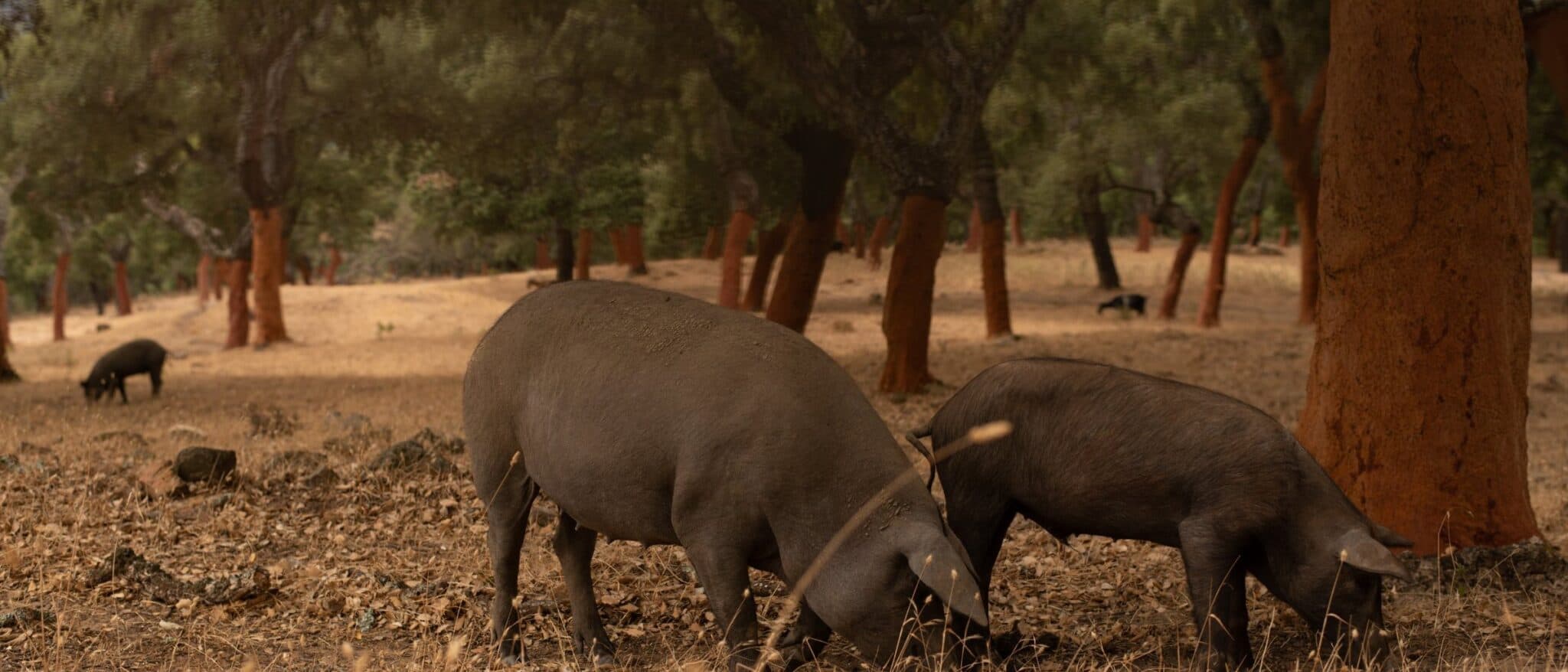
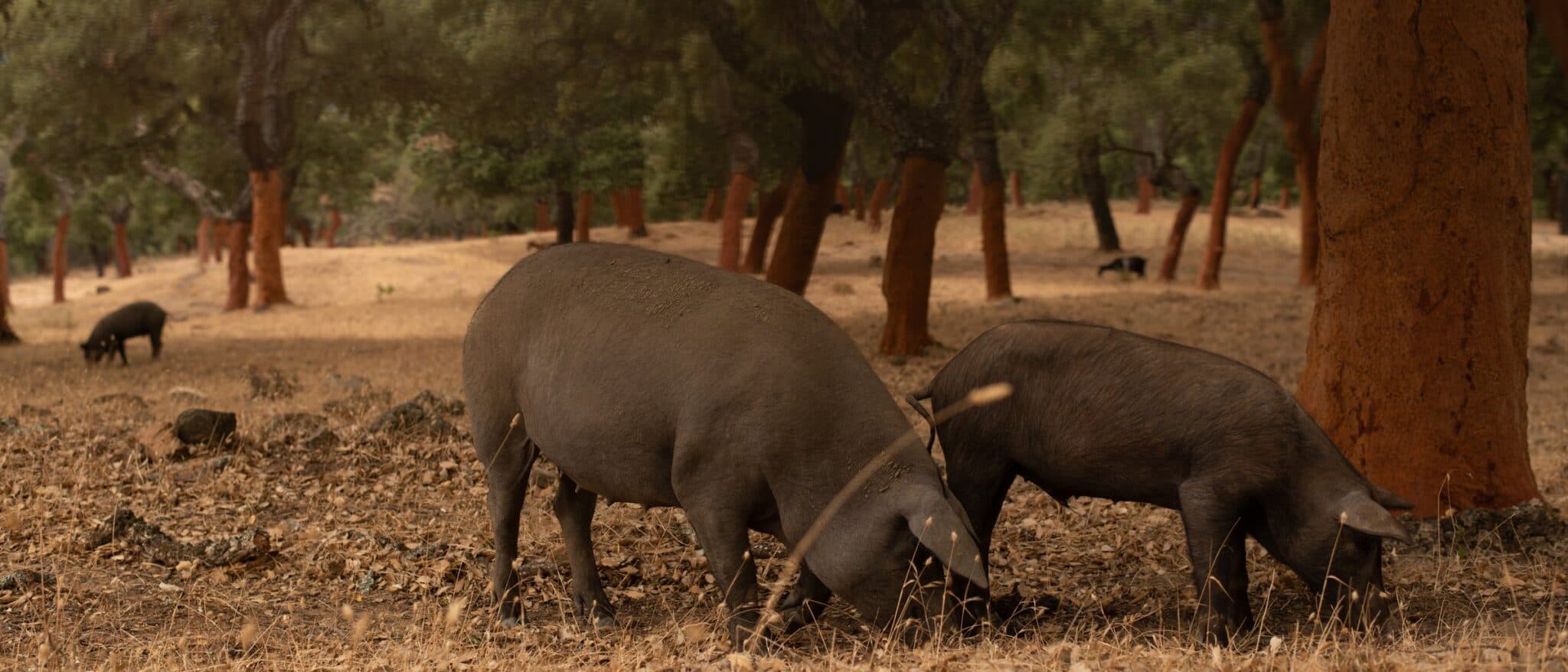
In the northern part of the province lies the Sierra de Aracena, a lush, green mountain range famous for its Jamón de Jabugo. This high-quality, acorn-fed Iberian ham is considered one of the best in the world. The pigs roam freely in the dehesa (meadows) and feed on acorns, which gives the ham its distinctive flavor and marbling. The region also produces excellent cheeses and wild mushrooms.
The Economic Fabric: From Strawberries to Superports
Huelva’s modern economy is a dynamic mix of traditional industries and new, high-value sectors, making it a key economic driver for Andalusia.
The Strawberry Capital of Europe
Huelva is the undisputed strawberry capital of Europe, producing an incredible 80% of Spain’s total output. The province’s mild climate and fertile land have allowed for the development of a highly efficient and technologically advanced agricultural industry. Beyond strawberries, Huelva also leads in the production of blueberries, raspberries, and other red berries, which are exported worldwide.
Port and Industry
The Port of Huelva is one of Spain’s largest and most important commercial ports, particularly for bulk and container shipping. It is also a significant hub for the chemical industry, with large industrial complexes located along its estuary. While this has raised environmental concerns, it has also provided substantial economic development and employment.
A Land of Contrasts: Geography and Natural Wonders
Huelva’s geography is as varied as its history, offering a spectrum of landscapes from arid riverbeds to lush forests.
Doñana National Park: A Wetland Paradise
On the eastern edge of the province lies Doñana National Park, a UNESCO World Heritage site and one of Europe’s most important wetlands. It is a crucial stopover for millions of migratory birds and is home to endangered species like the Iberian lynx and the Spanish Imperial Eagle. The park’s diverse ecosystems include marshes, dunes, and cork oak forests.
The Red River and the Green Sierra
The Río Tinto, a river that takes its name (Red River) from the high concentration of iron and other heavy metals in its waters, flows through a landscape scarred by millennia of mining. The surreal, reddish-orange landscape is so unique that it has attracted scientific research for its similarities to conditions on Mars.
In stark contrast, the northern part of the province is dominated by the Sierra de Aracena and Picos de Aroche Natural Park, a region of rolling hills covered in cork oaks, chestnut trees, and traditional villages. It is a haven for hikers, with a network of well-marked trails that wind through its serene and picturesque countryside.
Conclusion
Huelva is a province of profound legacy and a future built on innovation. It is a place where history resonates in every corner, from the replicas of Columbus’s ships to the Victorian architecture of its mines. It is a land of spiritual pilgrimages and flavorful gastronomy, of verdant agricultural fields and unique natural parks. Huelva invites the traveler to embark on a journey of discovery, to uncover the hidden gems and rich history that have shaped this extraordinary corner of Andalusia.
All 47 beaches in Huelva, on a map →
Fiestas in Huelva
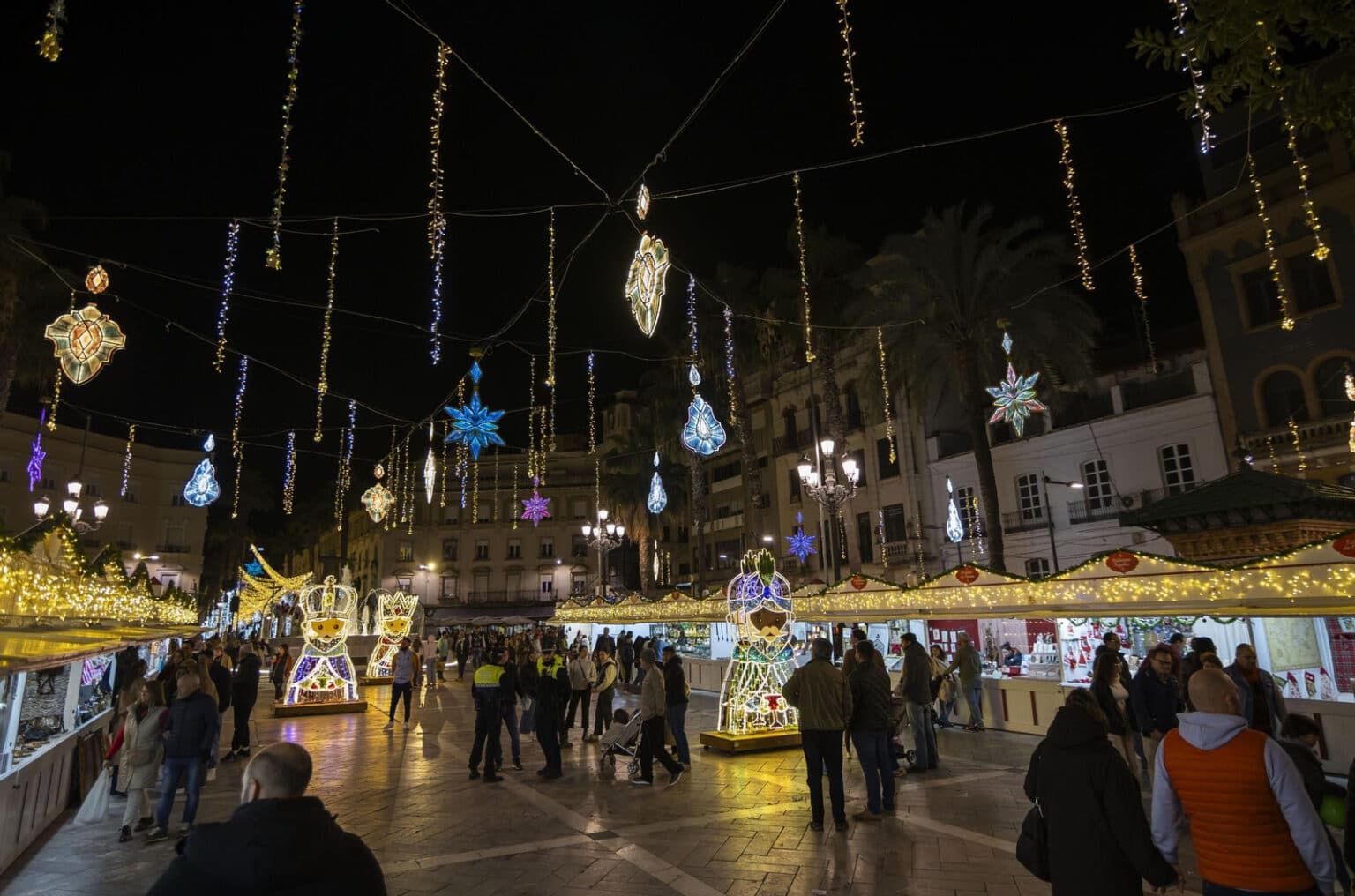
Switch-on late 2026 — lights run to 6 JanuaryExpectedChristmas lights in HuelvaChristmas · HuelvaChristmas Lights in Huelva 2025 – Experience the Spectacular Gran Vía Light Tunnel and Festive Heart Huelva transforms into a magical Christmas destination each winter, with over 150 illuminated streets creating one of Andalusia’s warmest and most heartfelt festive celebrations. The 2025 Christmas lights in Huelva promise an unforgettable experience as this coastal city combines…14–17 May 2027 (Pentecost weekend)Romería del RocíoRomería · HuelvaA million people, ox-drawn wagons crossing Doñana, and a Virgin carried out over a railing before dawn.Ends 3 August every yearSame dates every yearFiestas Colombinas, HuelvaFeria · HuelvaHuelva’s fair ends on the same date every year — the day the ships left in 1492.
Guides to Huelva
Travel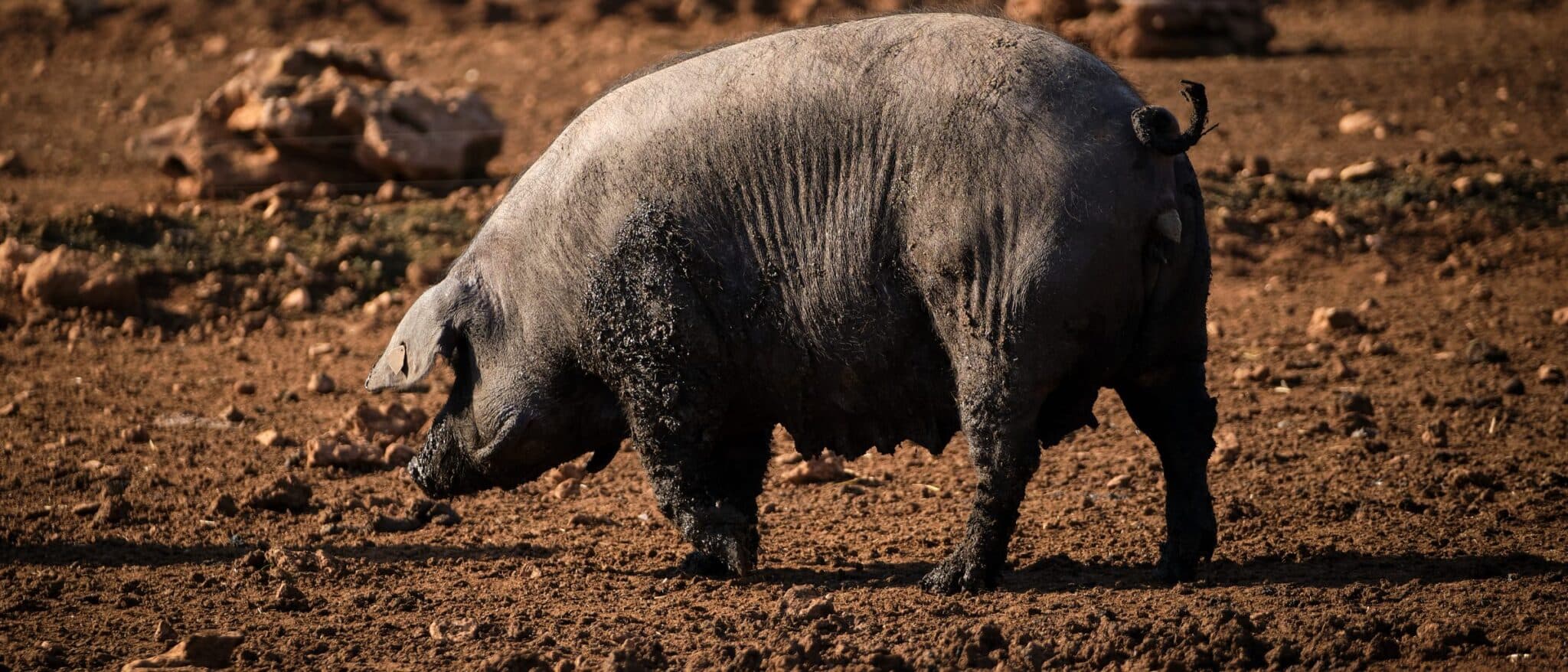 Travel
October in Huelva: the montanera opens and the Doñana birds arrive
 Travel
September in Huelva: a mountain romería, the last dry beach month, and no one there
 Blog
BlogRomería del Rocío 2026: Dates, Routes and How to See It Without Being a Pilgrim
 Blog
Blog