 Travel
Province
Málaga
The easiest arrival in Andalucía and the base most first trips start from. A serious museum city that also happens to sit on the Costa del Sol.
- Main airport
- Málaga–Costa del Sol (AGP) — 8 km from the centre, C1 train every 20 min
- Best months
- April–June and September–October. The sea stays warm well into October.
- Getting there
- Busiest airport in the region with year-round European connections. Cercanías train along the western coast; buses inland to Ronda and the white villages.
Unveiling the Heart of the Costa del Sol: A Detailed Guide to Málaga Province
Málaga, a province of Andalusia in southern Spain, is a land of stunning contrasts. From the sun-drenched beaches of the Costa del Sol to the rugged, snow-capped peaks of the Sierra Nevada, it is a region that captivates with its natural beauty and a history spanning nearly three millennia. Beyond its reputation as a premier tourist destination, Málaga is a province steeped in history, rich in cultural heritage, and a dynamic hub of economic activity. This detailed guide explores the many facets of Málaga, offering a deep dive into its past, its vibrant present, and its unique identity.
A Journey Through Time: The Rich History of Málaga
Málaga is one of the oldest continuously inhabited cities in Western Europe, with a history that has been shaped by a succession of civilizations. Each has left an indelible mark on the province’s architecture, culture, and very identity.
Ancient Origins: Phoenicians, Romans, and Visigoths
The history of Málaga began around 770 BC when Phoenicians from Tyre founded a colony called Malaka on the estuary of the Guadalhorce River. This settlement quickly became a vital trading post on the Mediterranean, renowned for its salted fish, wines, and figs. Its strategic location made it a key waypoint between Phoenicia and the Strait of Gibraltar.
Following the decline of Phoenician power, the region came under the influence of Carthage and, later, the Roman Empire in 218 BC. Under Roman rule, Málaga, or Malaca, flourished as a confederated city, enjoying a period of great prosperity. The city was granted its own municipal code, the Lex Flavia Malacitana, and a magnificent Roman theatre was constructed at the foot of Mount Gibralfaro, a testament to its cultural importance.
After the fall of the Western Roman Empire, Málaga experienced a period of instability, briefly falling under Byzantine control before being conquered by the Visigoths in 615 AD.
The Golden Age of Al-Andalus: Moorish Rule
The arrival of the Moors in the 8th century marked a new era of cultural and economic splendor for Málaga. Known as Mālaqah, the city became a significant center of power within the Caliphate of Córdoba. The Moors fortified the city with walls and built the majestic Alcazaba fortress, a stunning example of Arab palace architecture. In the 11th century, it became the capital of the Taifa of Málaga, an independent Muslim kingdom.
The Nasrid dynasty, based in Granada, later took control, and Málaga became the main port of the Nasrid Kingdom. The city’s wealth was built on international trade, and it was celebrated by travelers like Ibn Battuta for its beauty, bustling port, and abundant fruits.
The Reconquista and Beyond: Christian Rule and Modernity
In 1487, the Catholic Monarchs, Ferdinand and Isabella, conquered Málaga in the midst of the Granada War. The city was repopulated with Christian settlers, and many mosques were converted into churches, including the Church of Santiago and the Church of San Juan Bautista. The construction of the Málaga Cathedral, which began in 1530 on the site of the former mosque, is a prime example of this transition.
The 19th century was a period of significant industrialization for Málaga, particularly in iron foundries and textile factories. However, the century ended with economic decline due to agricultural crises like the phylloxera plague affecting its vineyards. The 20th century saw periods of political turmoil, notably during the Spanish Civil War, but it also laid the foundation for Málaga’s modern resurgence.
Cultural and Artistic Heartbeat: The Soul of Málaga
Málaga is a province where history is not just preserved in museums but is a living part of its daily rhythm. Its cultural landscape is a vibrant tapestry of art, music, festivals, and traditions.
Museums and Art: The Birthplace of Pablo Picasso
Málaga is famously the birthplace of Pablo Picasso, and the city proudly honors its most famous son. The Picasso Museum Málaga, housed in the Palacio de Buenavista, holds a significant collection of his works, while the Picasso Foundation is located in the house where he was born.
Beyond Picasso, the city has become a major cultural hub with a wide array of museums, including:
- The Carmen Thyssen Museum: Dedicated to 19th-century Spanish art, particularly Andalusian painting.
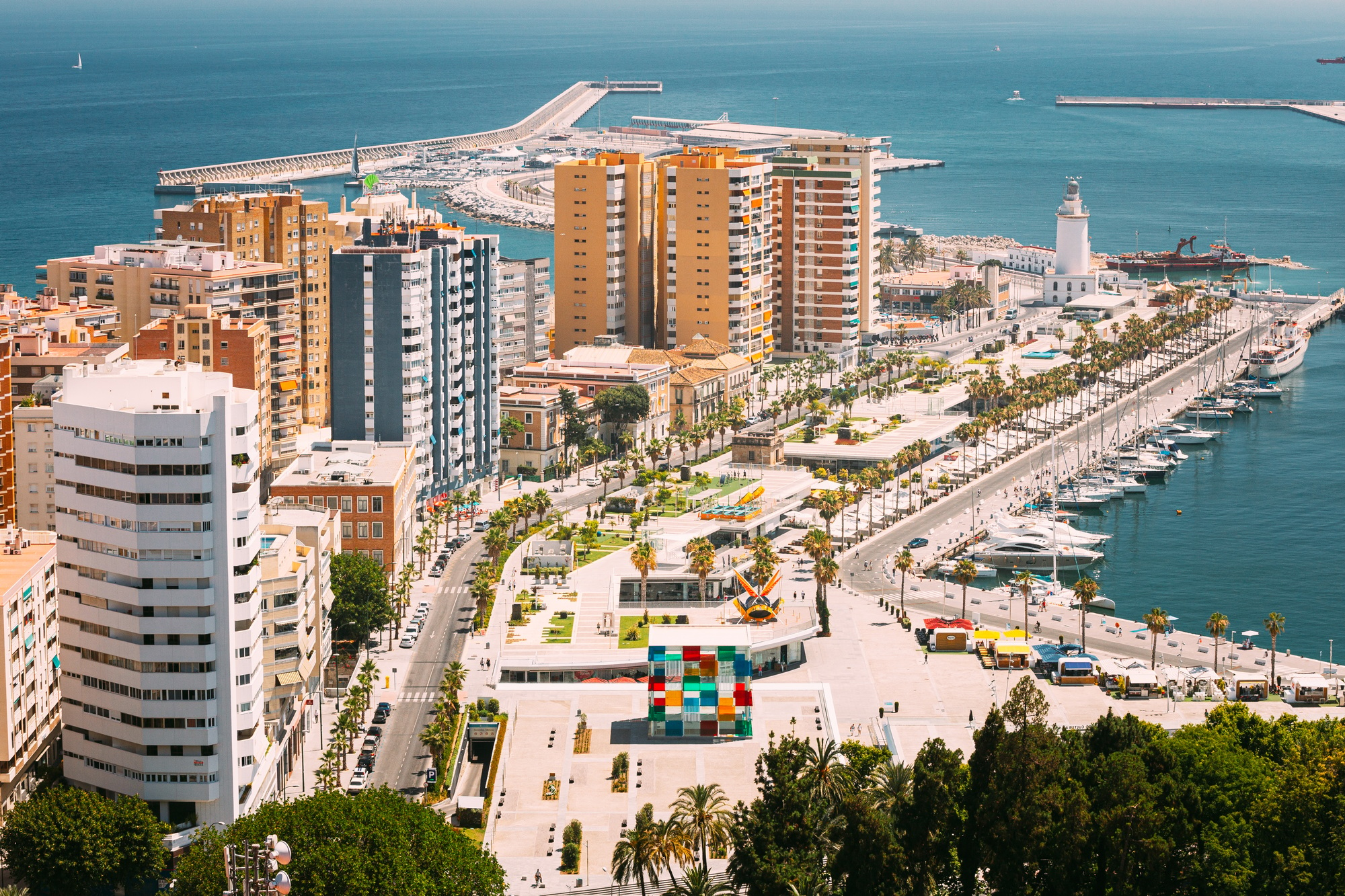
- The Centre Pompidou Málaga: An art museum and a branch of the famous Parisian institution, known for its iconic multicolored glass cube.
- The Russian Museum Collection, St. Petersburg/Málaga: Features a rotating collection of works from the Russian State Museum.
- The Museum of Glass and Crystal: A private collection showcasing historical glass and crystal.
- The Automobile and Fashion Museum: An unexpected gem that houses a unique collection of classic cars and haute couture.
Festivals and Traditions: A Year of Celebration
Málaga’s calendar is filled with vibrant festivals that showcase its deep-rooted traditions.
- Holy Week (Semana Santa): This is one of the most significant and dramatic events in the province, declared an International Tourist Interest. During this week, elaborate floats called tronos are carried through the streets by brotherhoods, with thousands of penitents dressed in traditional robes.
- Malaga Fair (Feria de Agosto): A week-long celebration in August commemorating the city’s incorporation into the Crown of Castile. The fair is a mix of day and night festivities, with music, dancing (especially flamenco), and traditional caseta tents.
- Carnival: A lively festival celebrated in late winter, culminating in the “Burial of the Sardine” (Entierro de la Sardina), a symbolic farewell to excess before Lent.
- Night of San Juan (Noche de San Juan): On June 23rd, people gather on the beaches to light bonfires and jump over flames, a tradition believed to bring good luck.
- Virgen del Carmen: On July 16th, coastal towns celebrate the patron saint of fishermen with processions of decorated boats on the sea.
The Flavors of Málaga: A Gastronomic Journey
Málaga’s cuisine is a delightful blend of sea and mountain flavors, drawing from its rich agricultural and fishing traditions. It is a cornerstone of the Mediterranean diet, with a focus on fresh, local ingredients.
Essential Dishes to Savor
- Espeto de Sardinas: A quintessential coastal dish, featuring sardines skewered and roasted over an open fire in a sand-filled boat.
- Fritura Malagueña: A platter of assorted fried fish and seafood, including anchovies (boquerones), squid, and red mullet.
- Ajoblanco: A refreshing cold soup made from almonds, garlic, olive oil, and bread, often served with muscatel grapes.
- Porra Antequerana: A thicker, heartier cold soup similar to gazpacho or salmorejo, with the addition of green peppers and often garnished with serrano ham and boiled egg.
- Ensalada Malagueña: A unique potato salad with boiled potatoes, salt cod, onion, olives, and a surprising, yet delicious, addition of orange.
- Berenjenas con Miel: Fried eggplant slices drizzled with miel de caña (cane syrup), a popular and addictive tapa.
The Economic Engine of Andalusia: Málaga Today
Málaga has transformed itself into a dynamic economic powerhouse, with growth rates surpassing both the Andalusian and national averages. While tourism remains a pillar of its economy, the province has successfully diversified into new sectors.
Key Economic Sectors
- Tourism: The Costa del Sol is a world-renowned tourist destination, attracting millions of visitors each year and providing a significant boost to the local economy.
- Technology and Innovation: Málaga has emerged as a major tech hub, with a burgeoning “Tech Park of Andalusia” that attracts major multinational companies and startups. The city has recently welcomed offices for tech giants like Google and Vodafone, cementing its reputation as “the Spanish Silicon Valley.”
- Agriculture and Fishing: The province’s fertile lands continue to produce a bounty of crops, including avocados, mangoes, citrus fruits, and olives. Fishing remains a vital industry along the coast, supplying fresh seafood to local markets and restaurants.
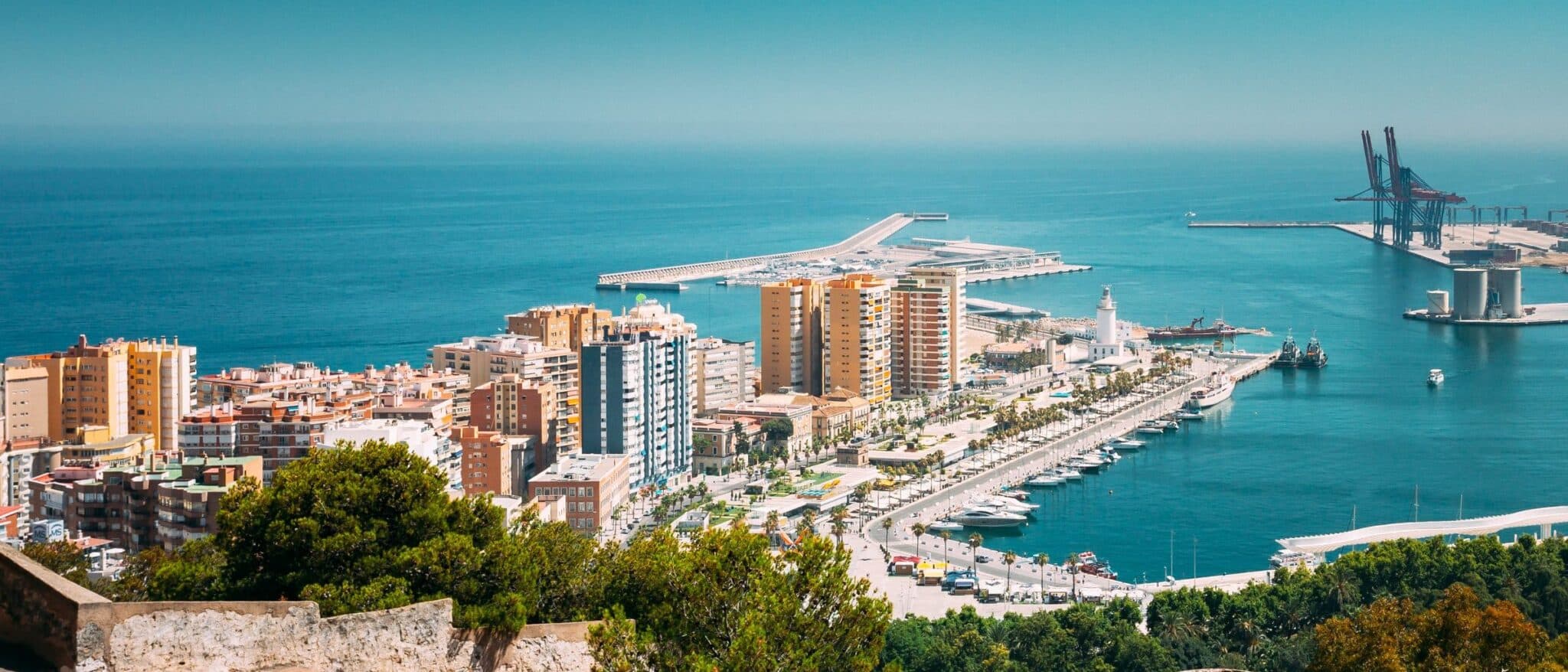
- Logistics and Infrastructure: The Port of Málaga is a crucial maritime hub, and the province boasts a modern transport network that facilitates trade and connectivity.
Conclusion
Málaga is more than a sunny retreat; it is a region of profound historical depth and vibrant cultural life. From its Phoenician roots to its Roman and Moorish legacies, the province’s past is a constant presence. Today, it stands as a forward-looking economic leader, blending tradition with modernity. Whether you are seeking historical insights, world-class art, culinary delights, or a dynamic urban experience, Málaga province offers a rich and rewarding journey for every visitor.
Days out in the province: Selwo Aventura in Estepona for the animals, the vineyards of Málaga for wine, and Elviria if you want a quieter base on the Marbella coast.
All 152 beaches in Málaga, on a map →
Fiestas in Málaga
Switch-on late November 2026ExpectedChristmas lights in MálagaChristmas · MálagaChristmas Lights in Málaga 2025 – Experience the World-Famous Light Show in Calle Larios Christmas in Málaga is one of Spain’s most spectacular festive experiences, with over 2.7 million LED lights transforming the city into a magical wonderland. From the world-renowned light and sound show in Calle Larios to charming Christmas markets and the beautiful…Switch-on late 2026 — lights run to 6 JanuaryExpectedChristmas lights on the Costa del SolChristmas · MálagaMálaga – The Most Iconic Christmas Lights in Spain Málaga’s Christmas lights is internationally renowned, attracting visitors from around the world. The city’s centre comes alive with illuminated streets, musical shows, and festive markets. Highlights Switch-On Marbella – Stylish Christmas in the Old Town and Puerto Banús Marbella offers a warm, elegant Christmas atmosphere with…Expected around 11 June 2027ExpectedFeria de San Bernabé, MarbellaFeria · MálagaMarbella’s week in June, around the patron saint on the 11th.Expected early July 2027ExpectedFeria y Fiestas Mayores, EsteponaFeria · MálagaThe western Costa del Sol’s July fair.Expected around 15 August 2027ExpectedFeria de la Virgen de la Cruz, BenalmádenaFeria · MálagaBenalmádena Pueblo’s August fair, up the hill from the coast.14–21 August 2027 (expected)ExpectedFeria de MálagaFeria · MálagaAndalucía’s biggest August fair runs day and night in two separate places — and most visitors only find one of them.
Guides to Málaga
Travel Blog
BlogFeria del Rosario 2026 in Fuengirola: the programme and how to do it well
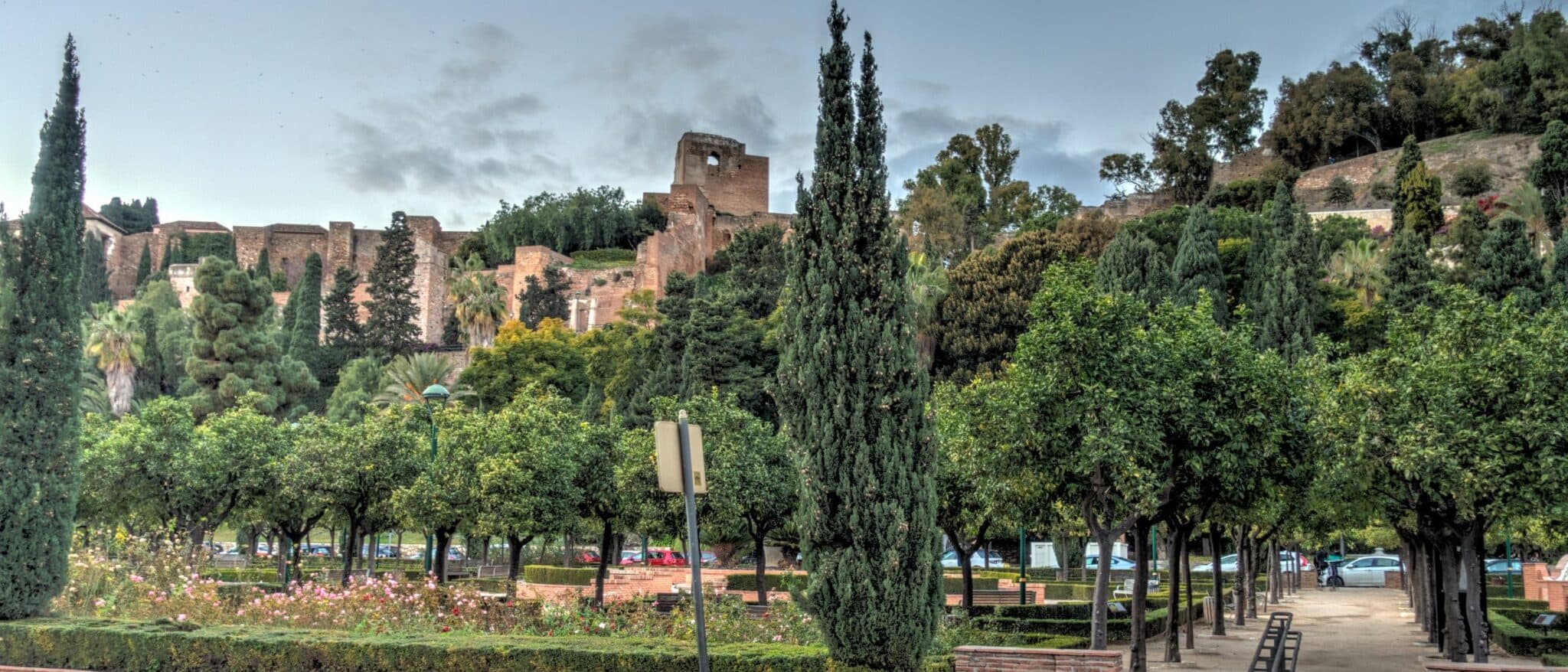 Travel
October in Málaga: three ferias, the copper forest, and the day the clocks take your evening
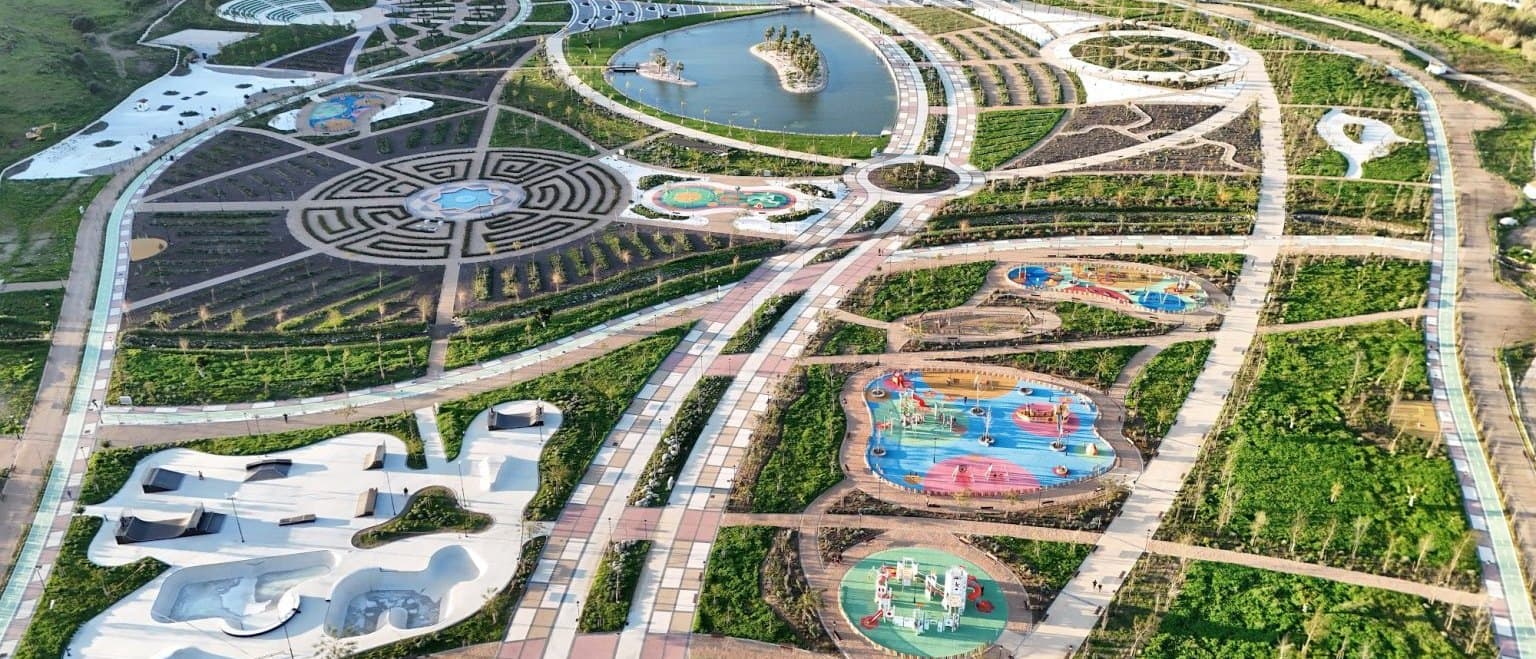 Parks
ParksGran Parque de Mijas: Andalucia’s Largest Urban Park Now Open
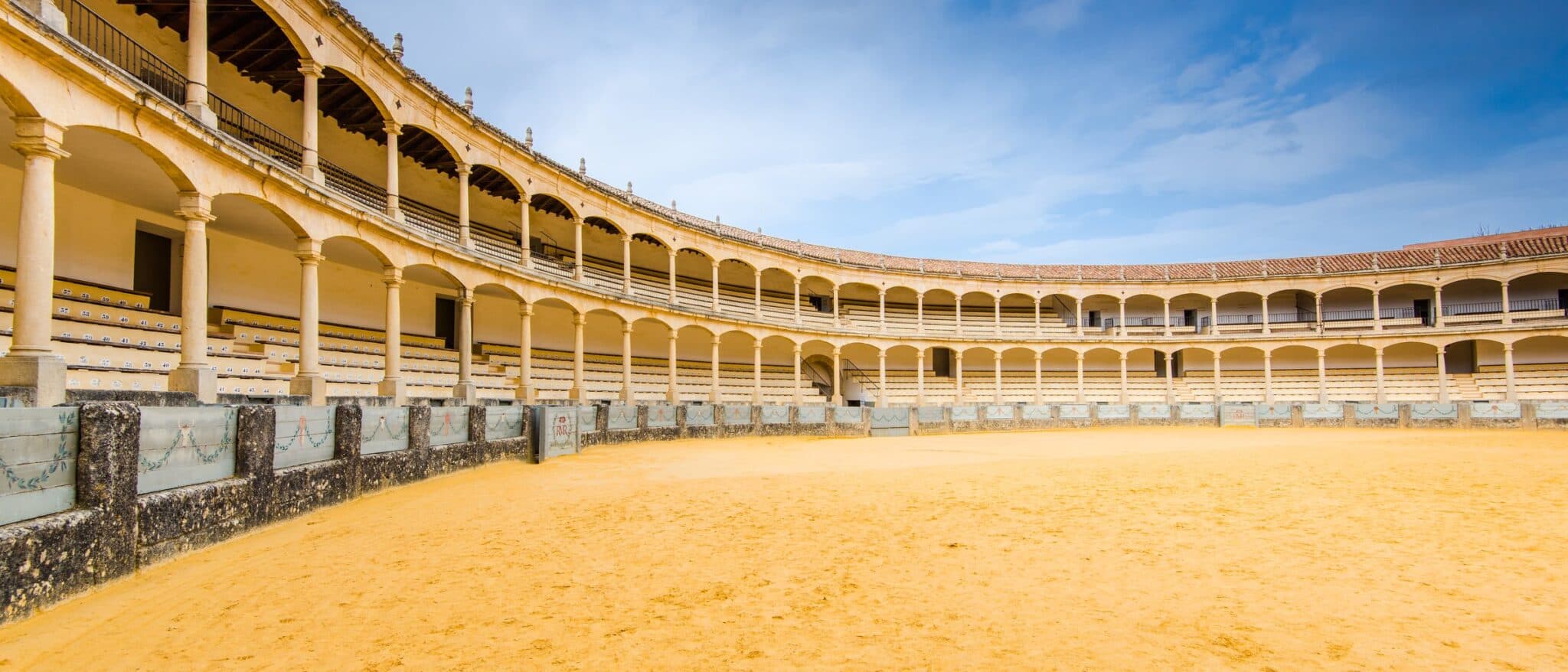 Travel
September in Málaga: four ferias, the warmest sea of the year, and the week the crowds go home
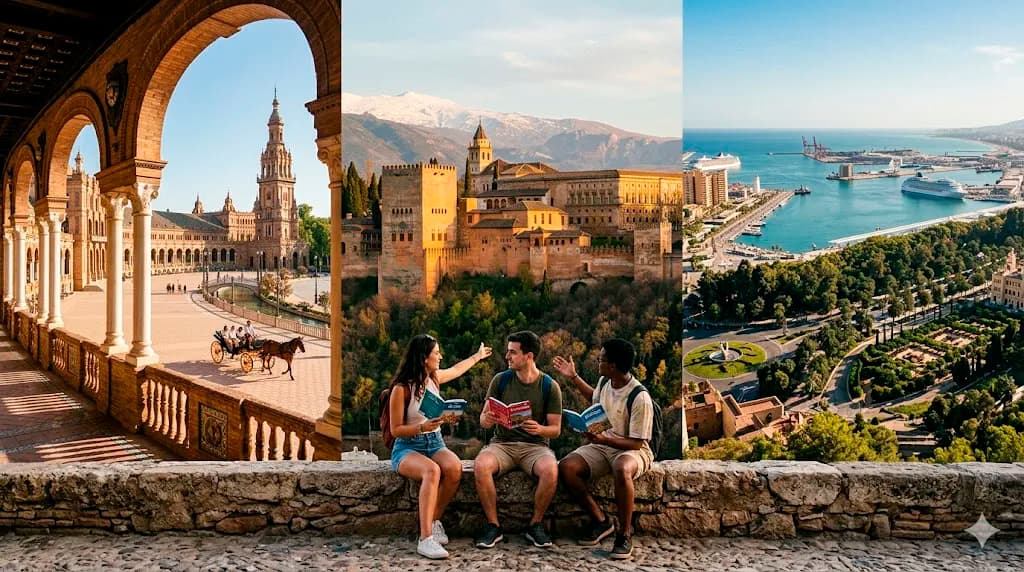 Cities
Best City in Andalucia for First-Timers: Seville, Granada or Málaga?
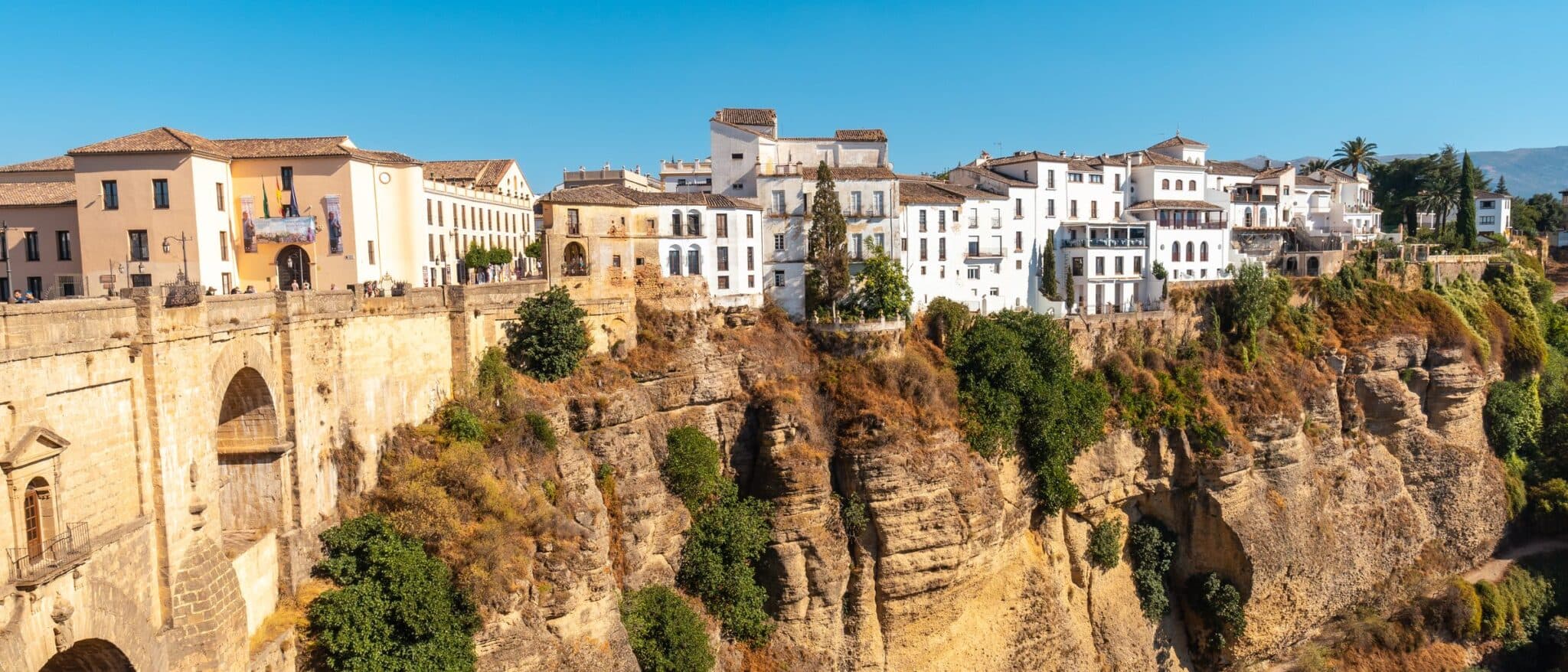 Travel
Best Day Trips from Málaga (2026 Guide)
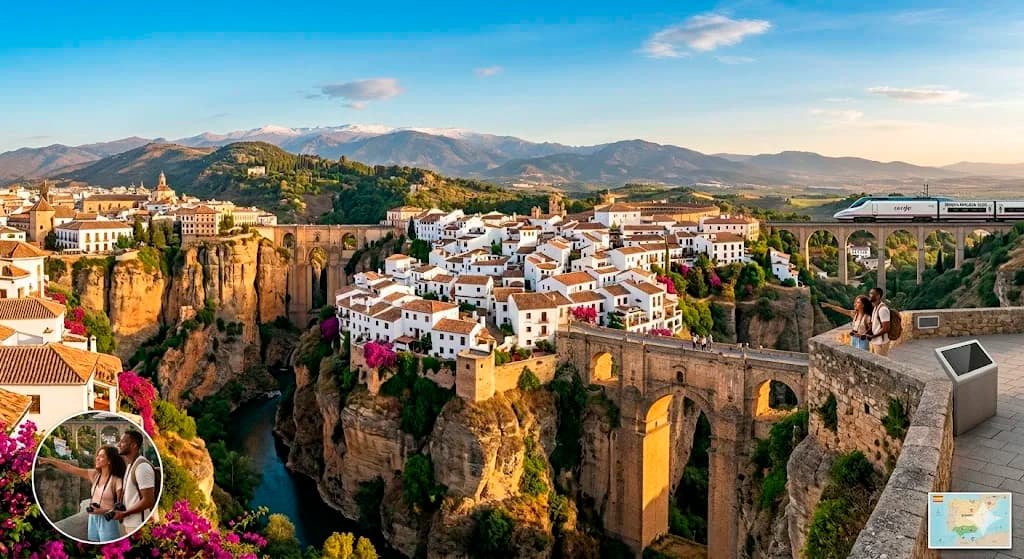 Cities
Ronda Travel Guide: Everything You Need to Know (2026)
Semana Santa Málaga 2026
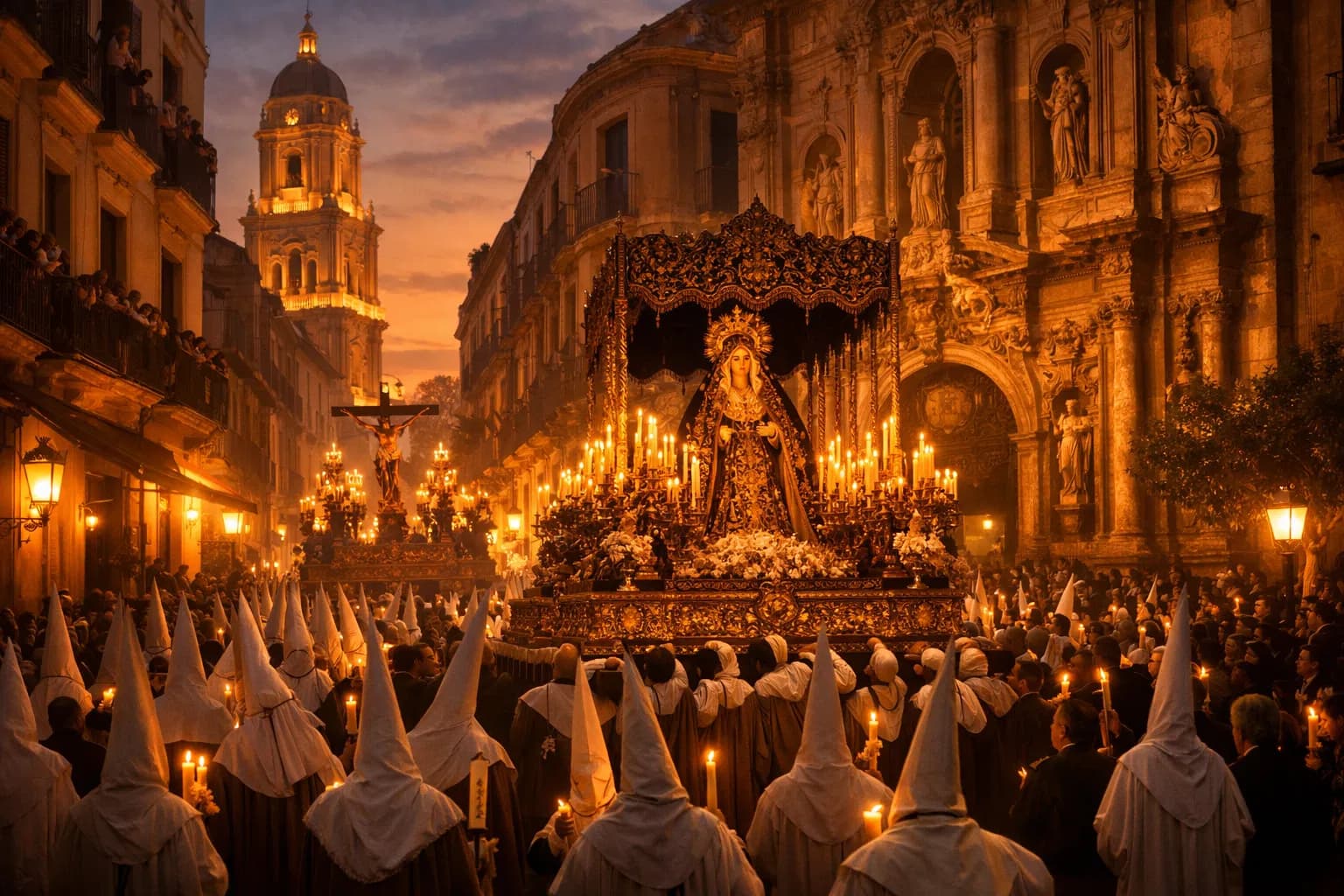 Blog
BlogSemana Santa Málaga Province 2026
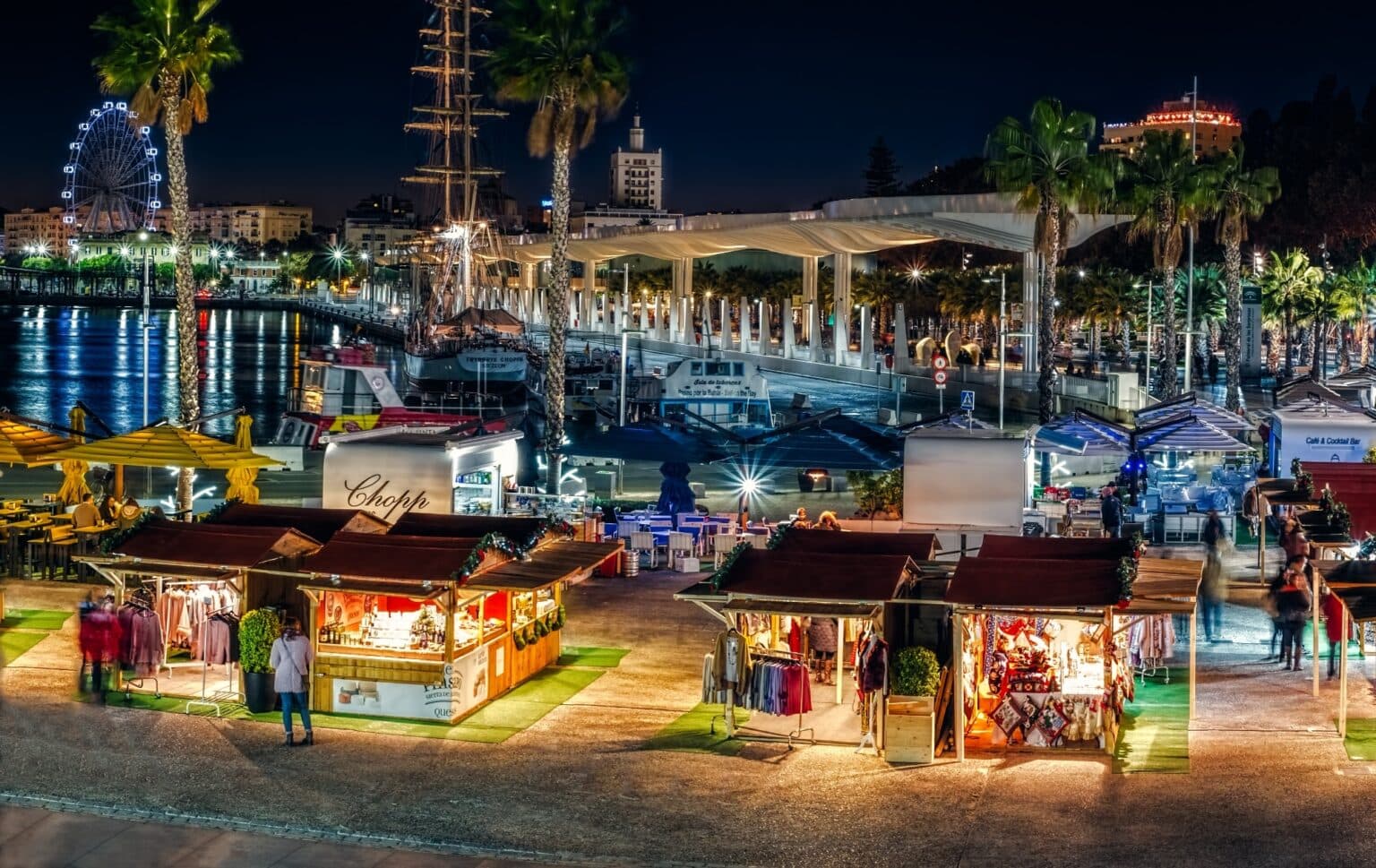 Blog
BlogMalaga Best Christmas Markets & Belenes 2025-2026
 Blog
Blog