 Travel
Province
Cádiz
Atlantic coast, sherry country and the oldest continuously inhabited city in western Europe. Where the white villages actually begin.
- Main airport
- Jerez (XRY) — 8 km from Jerez. Seville (SVQ) serves the north of the province.
- Best months
- May–June and September. Atlantic beaches are windier and cooler than the Mediterranean side.
- Getting there
- Train from Seville to Jerez and Cádiz. A car is close to essential for the pueblos blancos and the Costa de la Luz beaches.
The Gateway to the Atlantic: A Detailed Guide to Cádiz Province
Exploring the Oldest City in the West: A Deep Dive into Cádiz Province
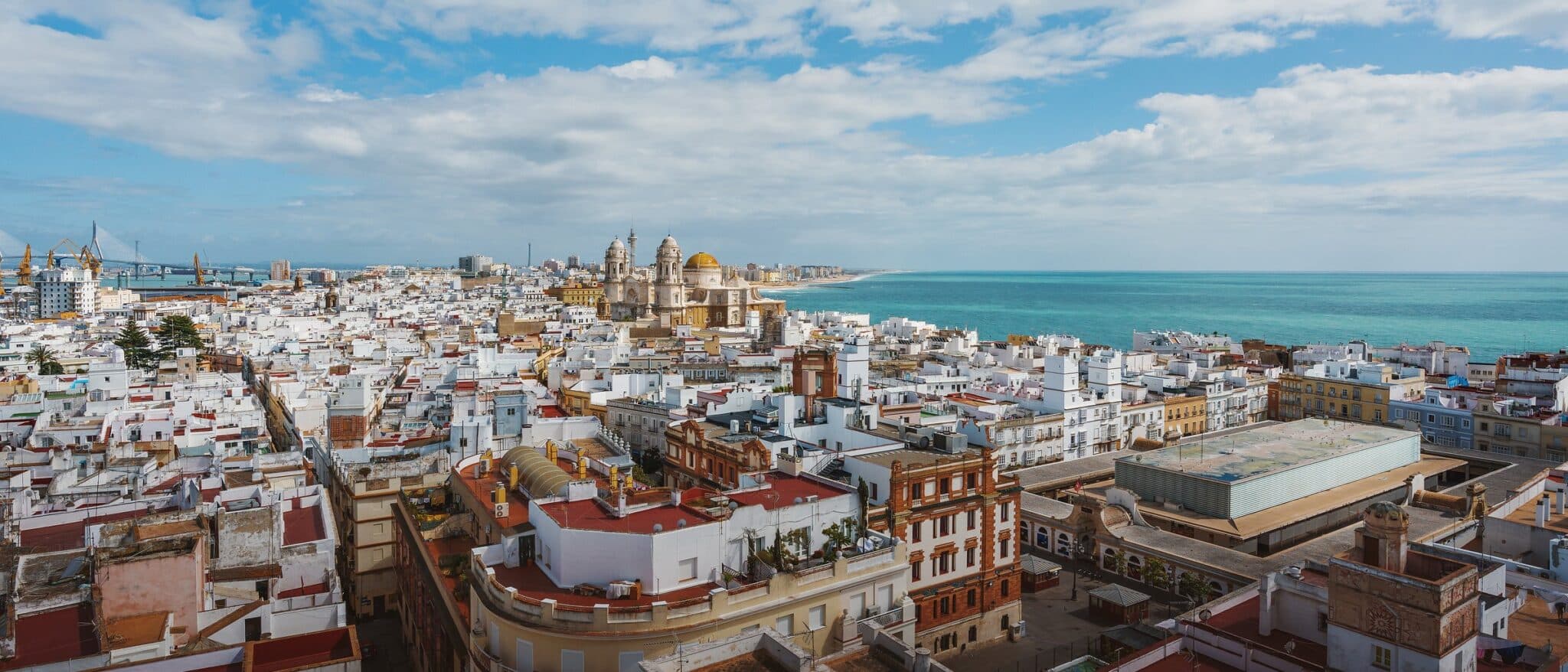
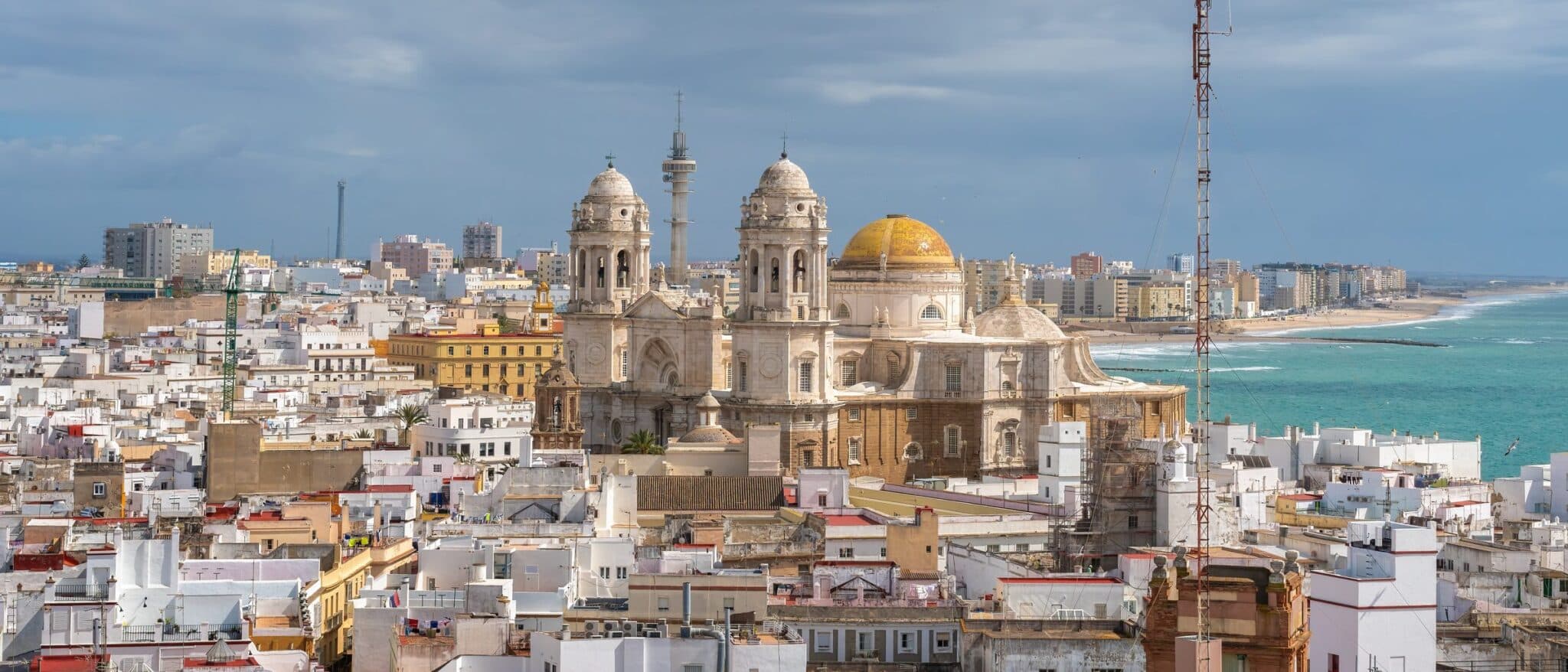
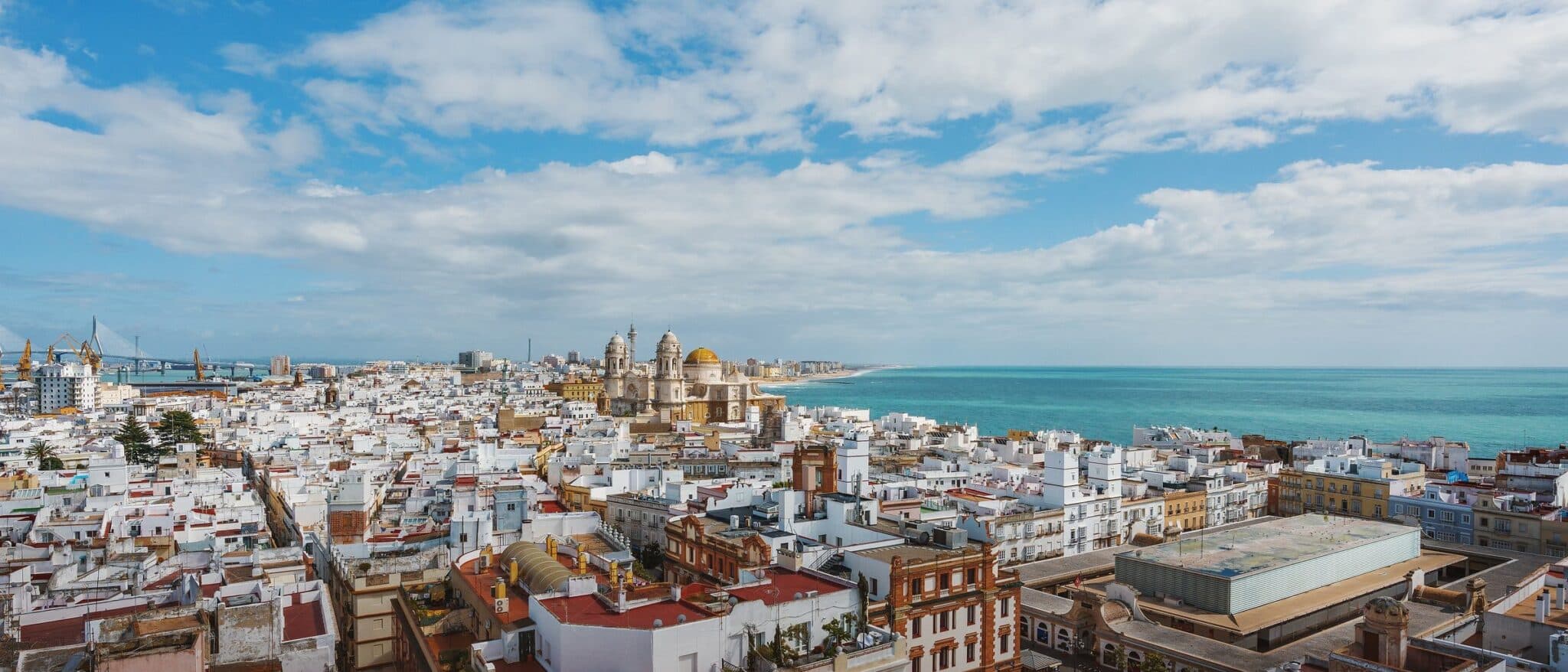
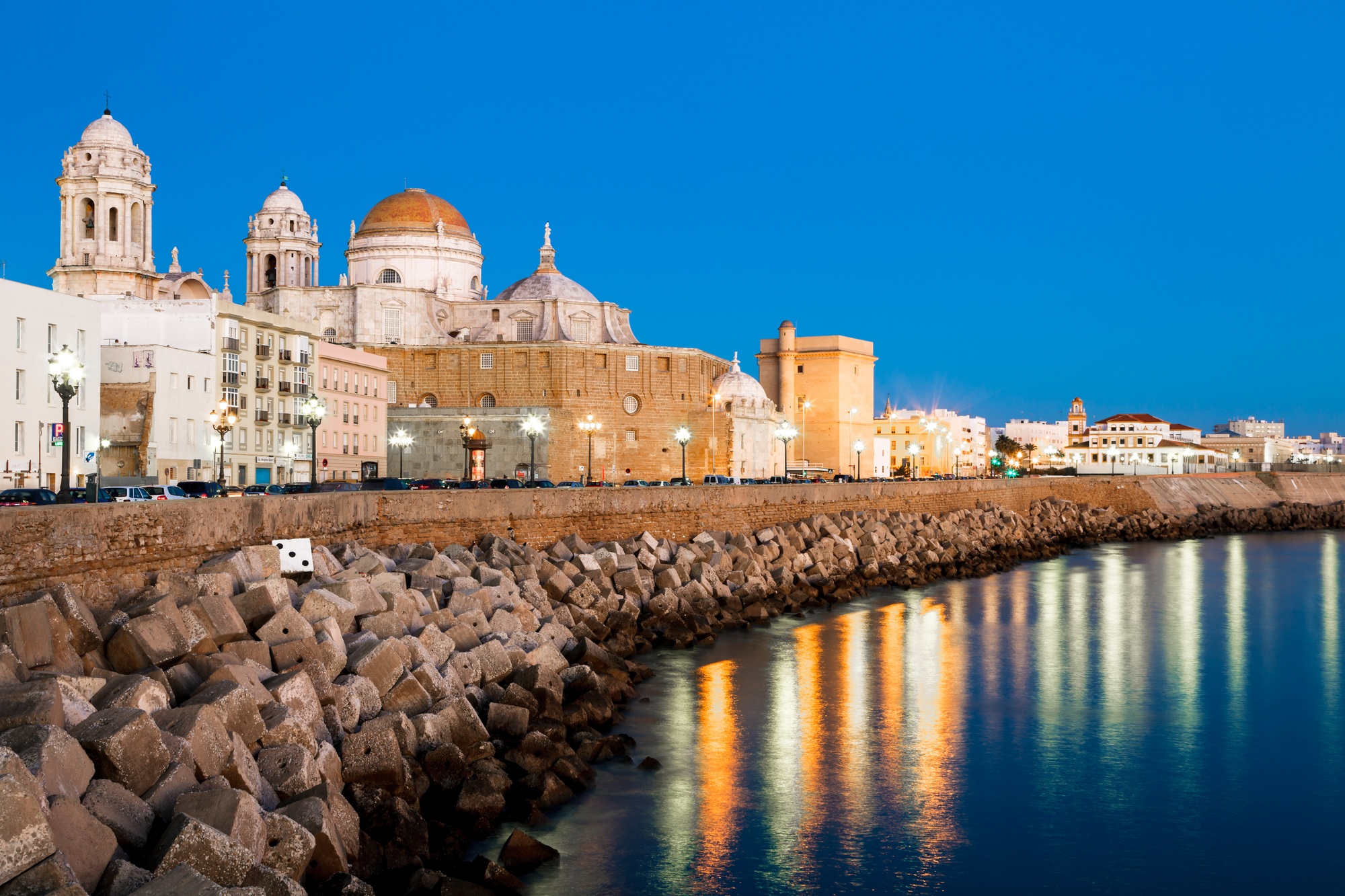
Cádiz, the westernmost province of Andalusia, is a land of legends, history, and vibrant traditions. Its capital, often hailed as the oldest continuously inhabited city in Western Europe, is the heart of a province that has played a pivotal role in world history, from ancient trade routes to the Age of Discovery. Known for its sun-drenched Atlantic coastline, its iconic white villages, and a cultural scene that pulsates with the rhythm of flamenco and the wit of Carnival, Cádiz is a destination of profound historical and cultural significance. This comprehensive guide uncovers the many layers of this remarkable region.
A Maritime Empire: The Enduring History of Cádiz
The history of Cádiz province is inextricably linked to the sea. Its strategic position at the entrance to the Strait of Gibraltar has made it a coveted prize for countless civilizations, each leaving a lasting legacy.
Phoenicians, Romans, and the Birth of Gadir
Cádiz’s story began around 1100 BC when Phoenician traders from Tyre founded Gadir, a fortified settlement on a small island off the coast. Gadir, meaning “enclosed site” or “fortress,” quickly became a vital hub for trade in tin, silver, and other valuable goods from the Atlantic. This made it a key outpost of the Phoenician maritime empire.
With the rise of Rome, Gadir’s rulers allied with the Romans against Carthage during the Punic Wars, a decision that secured its prosperity. Renamed Gades, it became one of the most important cities of Roman Hispania. Its salt fish and garum (a fermented fish sauce) were highly prized throughout the Roman Empire. The city’s wealth and influence during this period are a testament to its enduring strategic importance.
The Golden Age of Al-Andalus and the Age of Discovery
After a period of decline under the Visigoths, the city was conquered by the Moors in 711 AD and renamed Qādis. While it never regained its former prominence as a major port during this period, its name and cultural influence were preserved.
The turning point for Cádiz came in the 15th and 16th centuries. Following the Christian Reconquista and the discovery of the New World, Cádiz’s destiny was reborn. Its deep-water port was ideal for launching large ships, and it quickly surpassed Seville to become the main port of the Spanish treasure fleet. This role brought immense wealth to the city, making it a frequent target for English privateers like Sir Francis Drake, who famously “singed the King of Spain’s beard” by raiding the port in 1587.
The 18th century marked the absolute zenith of Cádiz’s power. In 1717, the Casa de Contratación (House of Trade) was moved from Seville to Cádiz, solidifying its virtual monopoly on trade with the Americas. This period of immense economic prosperity shaped the city’s elegant, neoclassical architecture, and fostered a sophisticated, cosmopolitan culture.
The Cradle of Spanish Liberalism
Cádiz’s liberal spirit came to the forefront during the Napoleonic Wars. As one of the few Spanish cities to resist the French invasion, it became the seat of the national government. In 1812, the Cortes de Cádiz drafted Spain’s first constitution, La Pepa, a liberal document that laid the foundations for modern Spanish democracy.
A Vibrant Cultural Scene: Flamenco, Carnival, and Pueblos Blancos
Cádiz is a province of profound cultural significance, a place where art and tradition are not just performed but are lived.
Flamenco: The Soul of Jerez de la Frontera
The province, particularly the city of Jerez de la Frontera, is considered one of the birthplaces of flamenco. Jerez is renowned for its raw, visceral style, with a particular focus on the bulería, a fast and lively flamenco form. The city’s tabancos, traditional sherry bars, are the best places to experience authentic, improvised flamenco, where performers from renowned casas cantaoras (flamenco families) continue to pass down the art form in its purest state.
The Ingenious Wit of Cádiz Carnival
The Carnival of Cádiz is one of the most famous in Spain and a UNESCO Intangible Cultural Heritage of Humanity. Unlike the flamboyant, samba-filled carnivals of Brazil, Cádiz’s celebration is defined by its satirical humor and social commentary. For over a month, groups called chirigotas, comparsas, and coros perform witty songs and skits, offering a hilarious and often biting critique of political figures and current events. The streets of the old town are a stage for impromptu performances and costumed revelry, making it a unique and deeply participatory festival.
The Charm of the White Villages
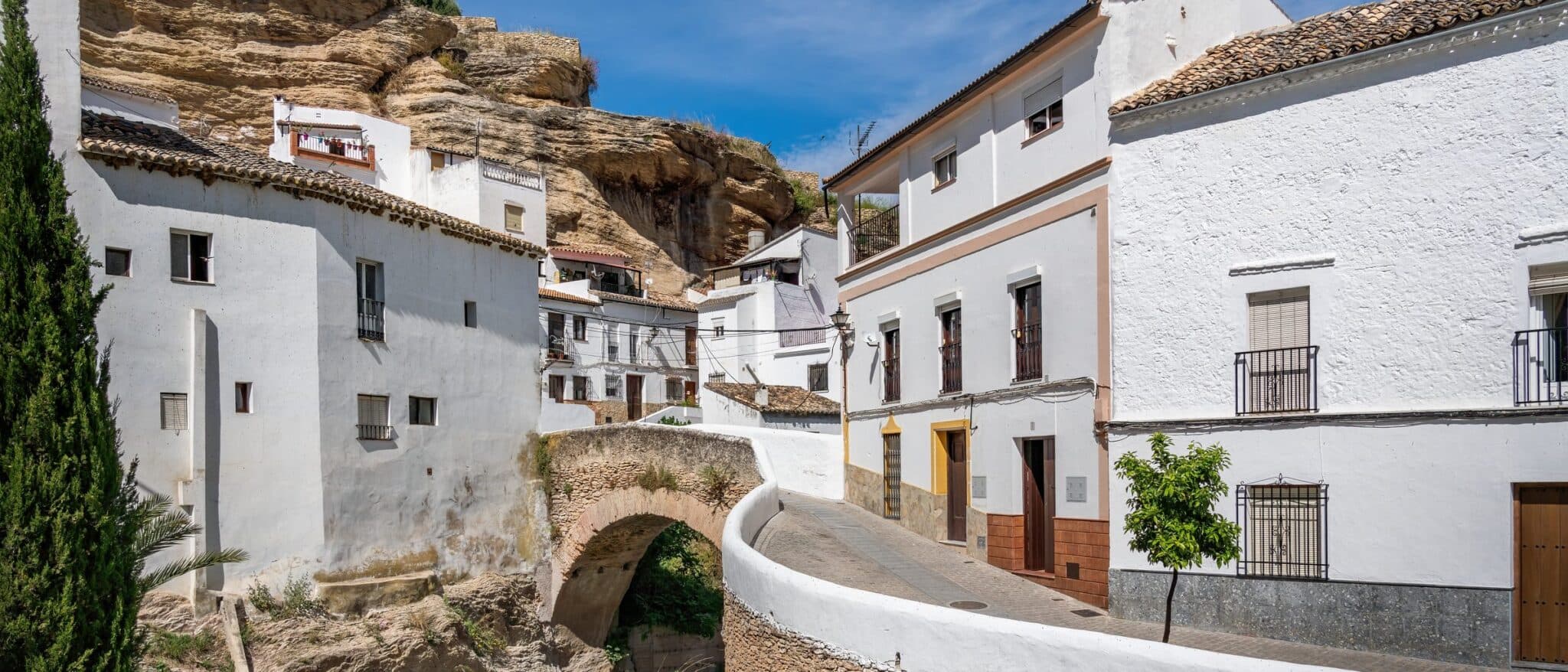
Inland from the coast, the Route of the White Villages (Ruta de los Pueblos Blancos) winds through the Sierra de Cádiz. These picturesque towns, with their whitewashed houses, flower-filled balconies, and narrow, winding streets, are a beautiful remnant of the region’s Moorish past. Arcos de la Frontera, perched dramatically on a clifftop, and Grazalema, famous for being one of the rainiest places in Spain, are just two of the many villages that offer stunning views and a tranquil escape.
A Culinary and Economic Powerhouse
Cádiz’s gastronomy is a reflection of its unique geography, blending the bounty of the Atlantic with the flavors of its fertile inland plains. This culinary richness is a major driver of the local economy.
The Golden Triangle of Sherry
The province is home to the world-famous “Sherry Triangle,” a region of vineyards defined by the towns of Jerez de la Frontera, El Puerto de Santa María, and Sanlúcar de Barrameda. The unique soil (albariza) and climate of this area produce the grapes used to make Sherry (Jerez), a fortified wine that is exported worldwide. The production of Sherry, along with Brandy de Jerez and Manzanilla, is a cornerstone of the provincial economy and a source of immense cultural pride.
Flavors of the Sea and Land
Given its extensive coastline, it’s no surprise that seafood is a staple of the local diet. The province is famous for its pescaíto frito (an assortment of lightly floured and fried fish), cazón en adobo (marinated fried dogfish), and tortillitas de camarones (crispy shrimp fritters). Inland, the cuisine shifts to hearty stews, cured meats, and cheeses made from local goat and sheep milk.
The Modern Economy
Cádiz’s economy remains deeply tied to its maritime heritage. The Port of Cádiz is one of Spain’s most important commercial and passenger ports. Beyond the port and tourism, key sectors include:
- The Naval and Aeronautical Industry: The province has a long history of shipbuilding and is a major center for aeronautical engineering and manufacturing.
- Agriculture and Agri-food: In addition to Sherry, the province is a significant producer of olive oil, grapes, and other agricultural products.
- Renewable Energy: Located in a very windy area, the province has become a leader in wind energy, particularly in the Tarifa region.
Landscapes of Contrast: From Coast to Sierra
Cádiz is a province of extraordinary geographical diversity, where the dramatic beauty of the Sierra de Grazalema meets the golden sands of the Costa de la Luz.
The Atlantic Coast: Costa de la Luz
The Costa de la Luz (“Coast of Light”) stretches along the Atlantic from Tarifa to the border with Portugal. Its beaches are known for their fine, golden sand, powerful Atlantic waves, and spectacular sunsets. Tarifa, at the southern tip of Europe, is a mecca for windsurfers and kitesurfers. Bolonia is famous for its Roman ruins of Baelo Claudia and its massive sand dune.
The Wettest Corner of Spain: Sierra de Grazalema
The Sierra de Grazalema Natural Park is one of Spain’s most stunning natural areas. It is known for its dramatic limestone karst landscapes, deep gorges, and lush forests. Paradoxically, due to its location, it receives the highest rainfall on the Iberian Peninsula. This creates a unique microclimate that allows for the survival of the pinsapo, a rare Spanish fir that is a relict species from the last ice age. The park is a paradise for hikers and nature lovers.
Conclusion
Cádiz province is a destination that offers something for every type of traveler. It is a living museum of history, a crucible of cultural expression, and a land of breathtaking natural beauty. From the ancient stones of its capital to the joyful chaos of its Carnival, from the elegant cellars of its wineries to the serene silence of its white villages, Cádiz is a place that captivates the imagination and leaves an indelible mark on the soul.
All 96 beaches in Cádiz, on a map →
Fiestas in Cádiz
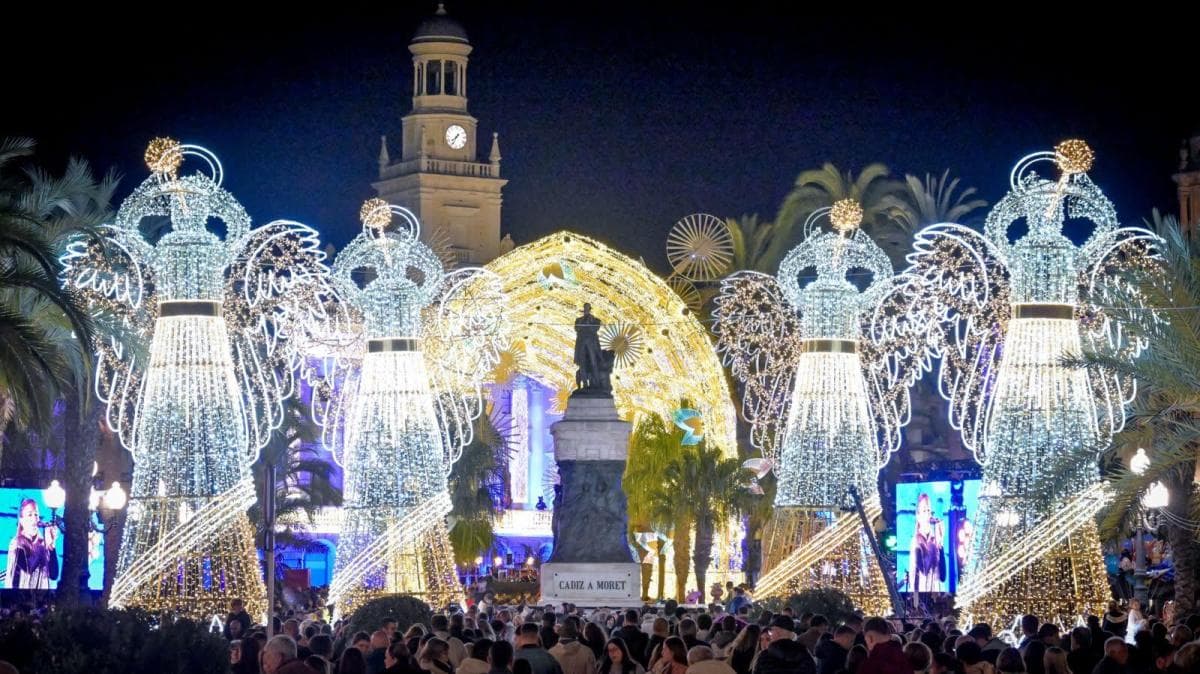
Switch-on late 2026 — lights run to 6 JanuaryExpectedChristmas lights in Cádiz provinceChristmas · CádizChristmas Lights in Cádiz 2025 – Experience the Magical Light Show in Plaza de San Juan de Dios Cádiz transforms into a spectacular Christmas wonderland every winter, with thousands of LED lights illuminating the historic old town and waterfront. The 2025 Christmas lights in Cádiz promise to create unforgettable memories as this ancient coastal city…4–14 February 2027Carnaval de CádizCarnaval · CádizNot a parade carnival. The substance is satirical sung verse, and it has a competition with a theatre final.Expected early May 2027ExpectedFeria del Caballo, JerezFeria · CádizThe horse fair — the one where the animals are the point, not the decoration.Expected late May or early June 2027ExpectedFeria de la Manzanilla, Sanlúcar de BarramedaFeria · CádizA fair named after the wine, in the town at the mouth of the Guadalquivir where they make it.