 Travel
Province
Córdoba
The Mezquita, the patios, and a compact old city that works as a day trip but rewards an overnight stay.
- Main airport
- No commercial airport. Seville (SVQ) or Málaga (AGP), both around 1 h 45 by road.
- Best months
- March–May and October. The Patios festival falls in early May; July and August are the hottest in Spain.
- Getting there
- AVE from Seville in 45 minutes and from Málaga in about an hour. One of the easiest places in Andalucía to reach without a car.
A Journey into the Heart of Andalusia: A Detailed Guide to Córdoba Province
Unveiling the Jewel of Islamic Spain: A Deep Dive into Córdoba Province
Córdoba, a landlocked province in the heart of Andalusia, is a destination of profound historical and cultural significance.1 While it may not have the beaches of its coastal neighbors, it more than compensates with a rich heritage that once made it the most enlightened city in Europe. A crossroads of cultures, the province is a tapestry woven from the threads of Roman, Jewish, Christian, and Islamic civilizations.2 This detailed guide explores the many facets of Córdoba, from its glorious past as a caliphal capital to its stunning natural landscapes and unique cultural traditions.
The Crucible of Civilizations: A Journey Through Córdoba’s History
Córdoba’s history is a story of rise, fall, and enduring legacy, with each era leaving an indelible mark on the province.
Roman and Visigothic Foundations
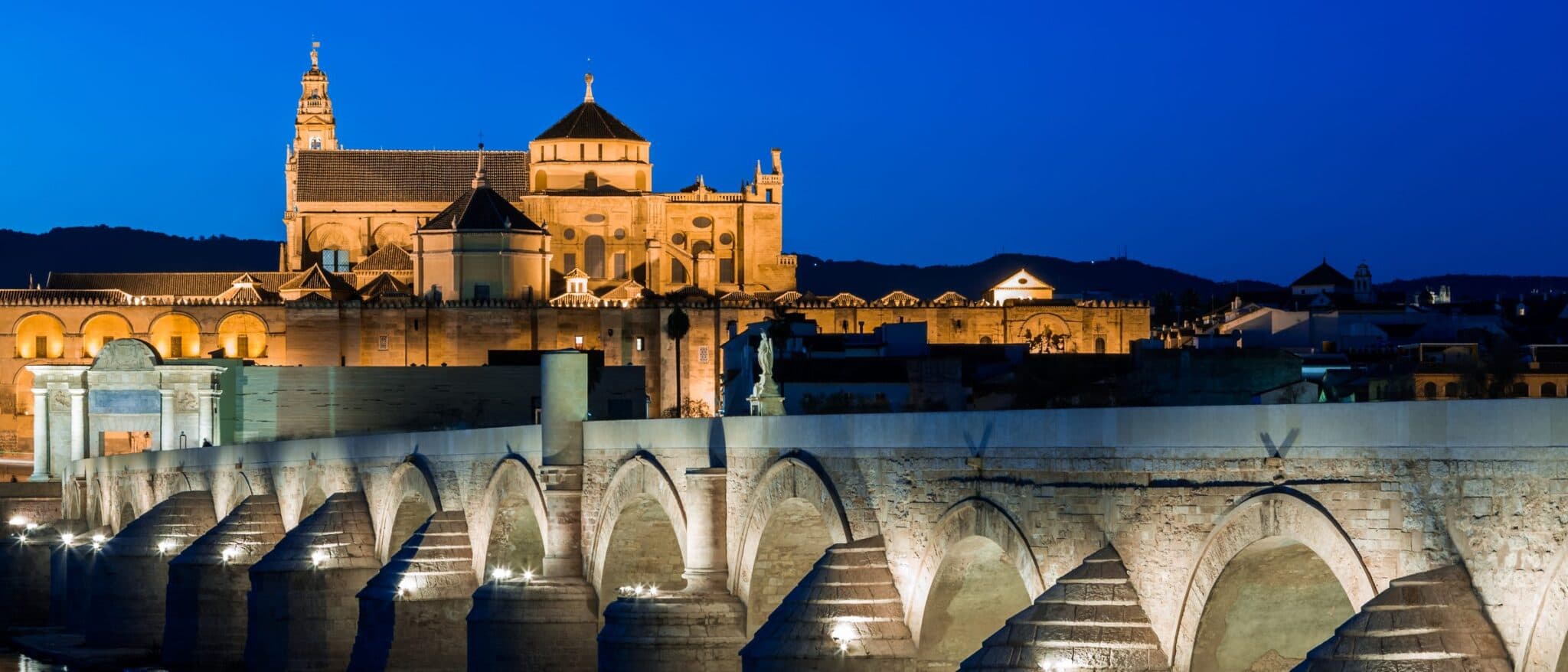
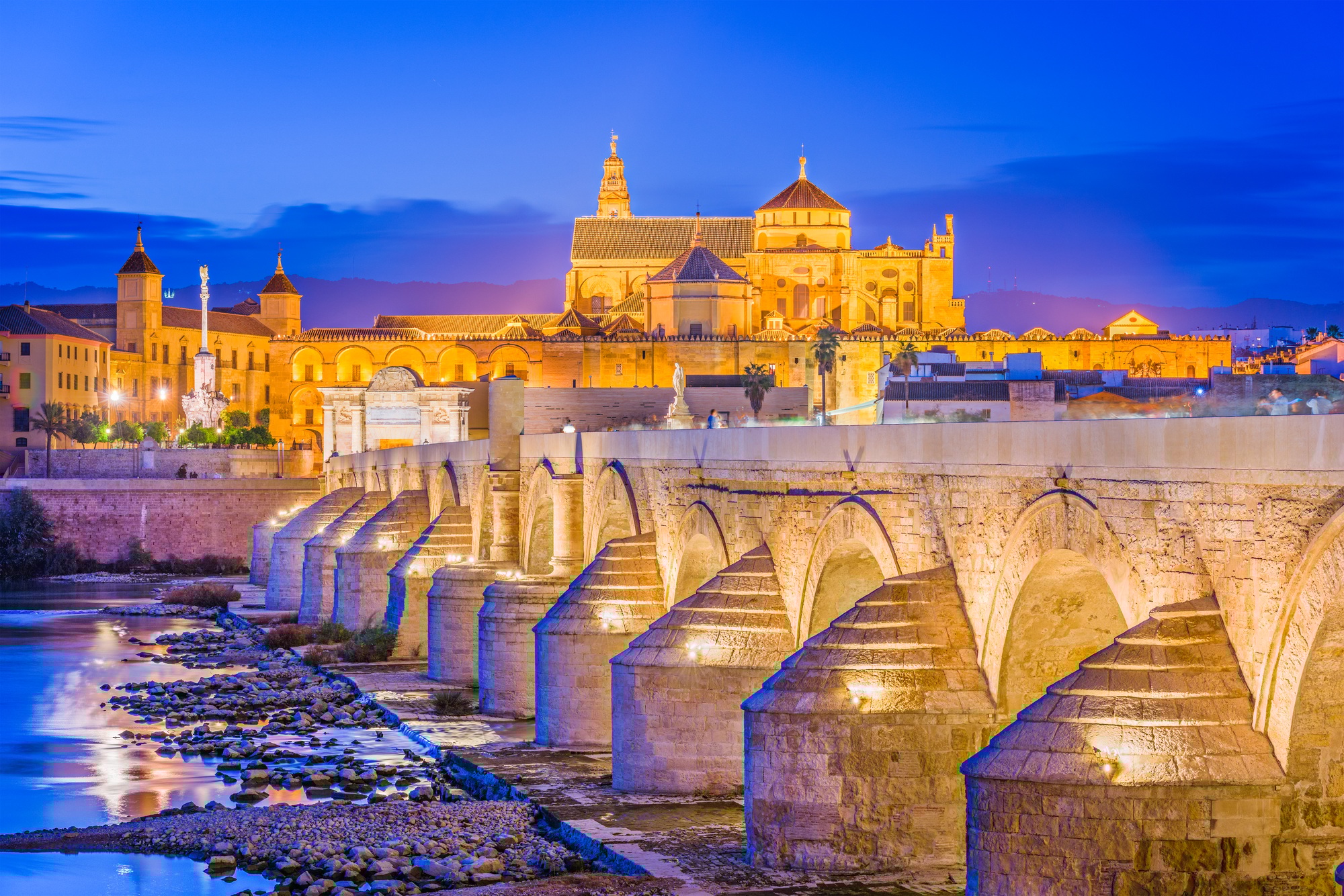
The city of Córdoba was founded by the Romans in 152 BC as a strategic post in their conquest of the Iberian Peninsula. It quickly became the capital of the province of Hispania Ulterior Baetica, flourishing as a major intellectual and administrative center.3 The city’s Roman Bridge, one of its most iconic landmarks, stands as a testament to its Roman engineering prowess.4 Following the collapse of the Roman Empire, the city came under the control of the Visigoths, a period that saw a decline in its urban splendor.
The Golden Age of Al-Andalus: The Caliphate of Córdoba
The arrival of the Moors in 711 AD marked the beginning of Córdoba’s most glorious era. In the 10th century, Abd al-Rahman III declared Córdoba the capital of the independent Caliphate of Córdoba.5 Under the rule of the Umayyad dynasty, Córdoba became a center of learning, art, and science, rivaling Baghdad and Constantinople.6 The city’s population swelled to half a million, and it boasted a vast library, advanced hospitals, and a complex network of public baths and street lighting, making it the most sophisticated city in the Western world.
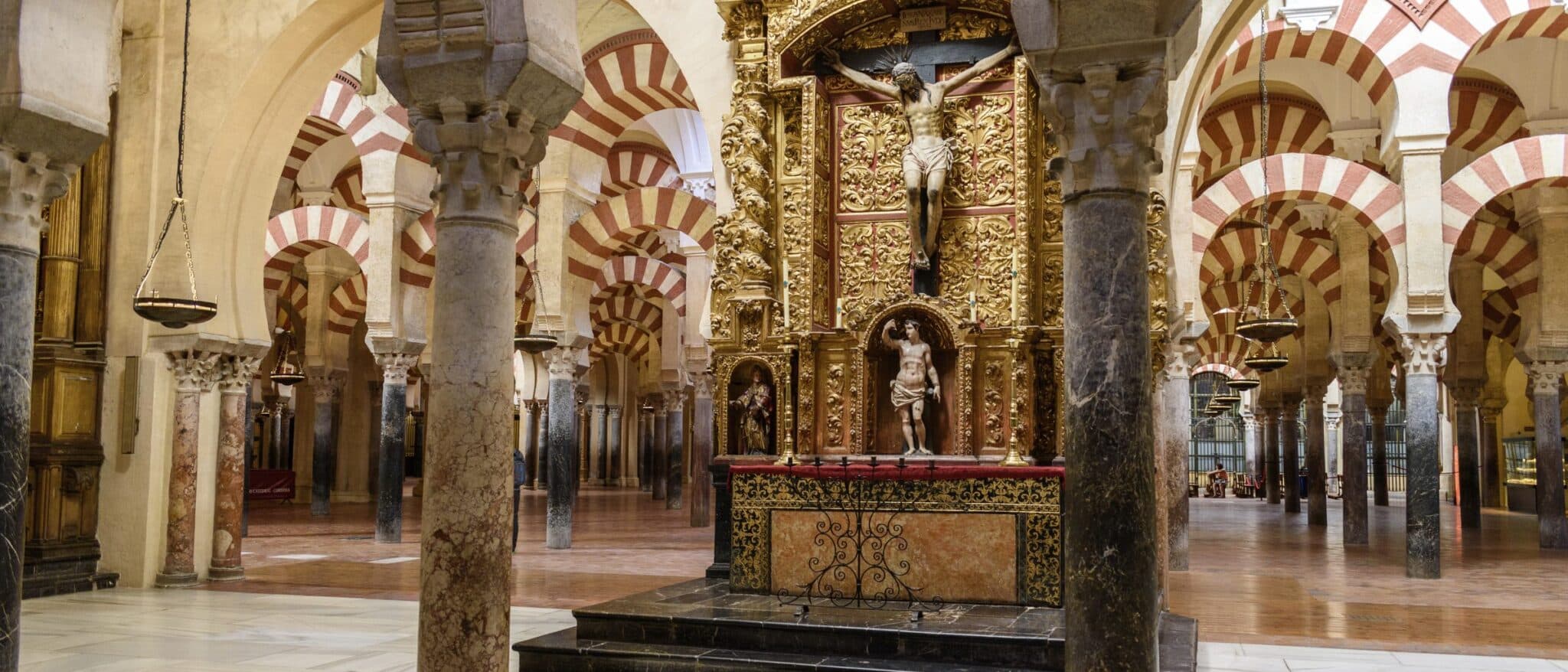
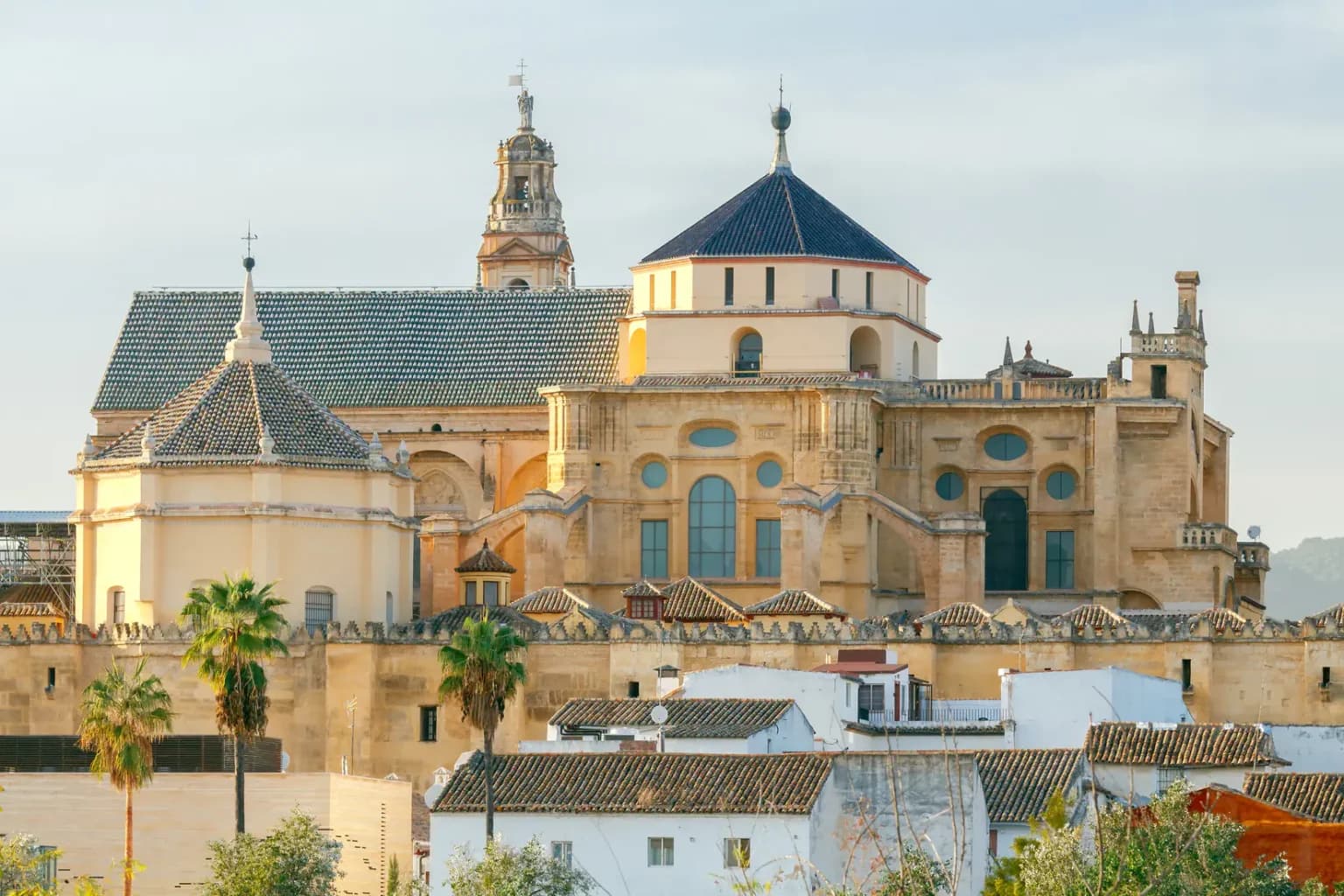
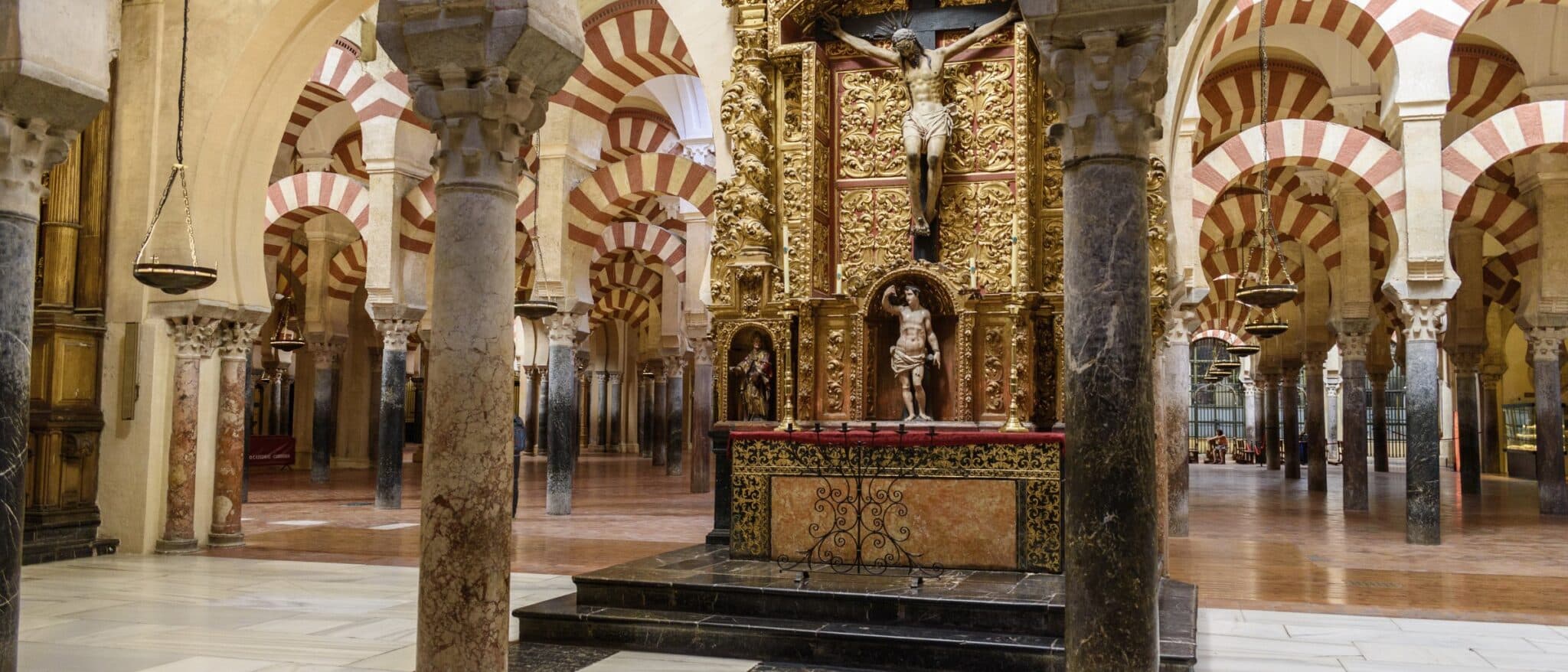
The Great Mosque of Córdoba (now the Cathedral-Mosque of Córdoba) stands as the ultimate symbol of this golden age.7 Its intricate arches, serene courtyards, and forest of columns are a breathtaking fusion of Islamic and later Christian architectural styles.
The Reconquista and the Christian Era
In 1236, Ferdinand III of Castile captured Córdoba, and the city’s mosque was consecrated as a Christian cathedral.8 The city’s Jewish quarter, with its narrow streets and hidden squares, became a vibrant center for the Jewish community before the expulsion of 1492.9 During the subsequent Christian rule, beautiful churches, convents, and palaces were built, blending Christian faith with the city’s Moorish heritage.
Culture, Art, and Festivals: The Soul of Córdoba
Córdoba’s culture is a rich mosaic, a unique blend of its diverse historical influences.
A City of Patios and Flowers
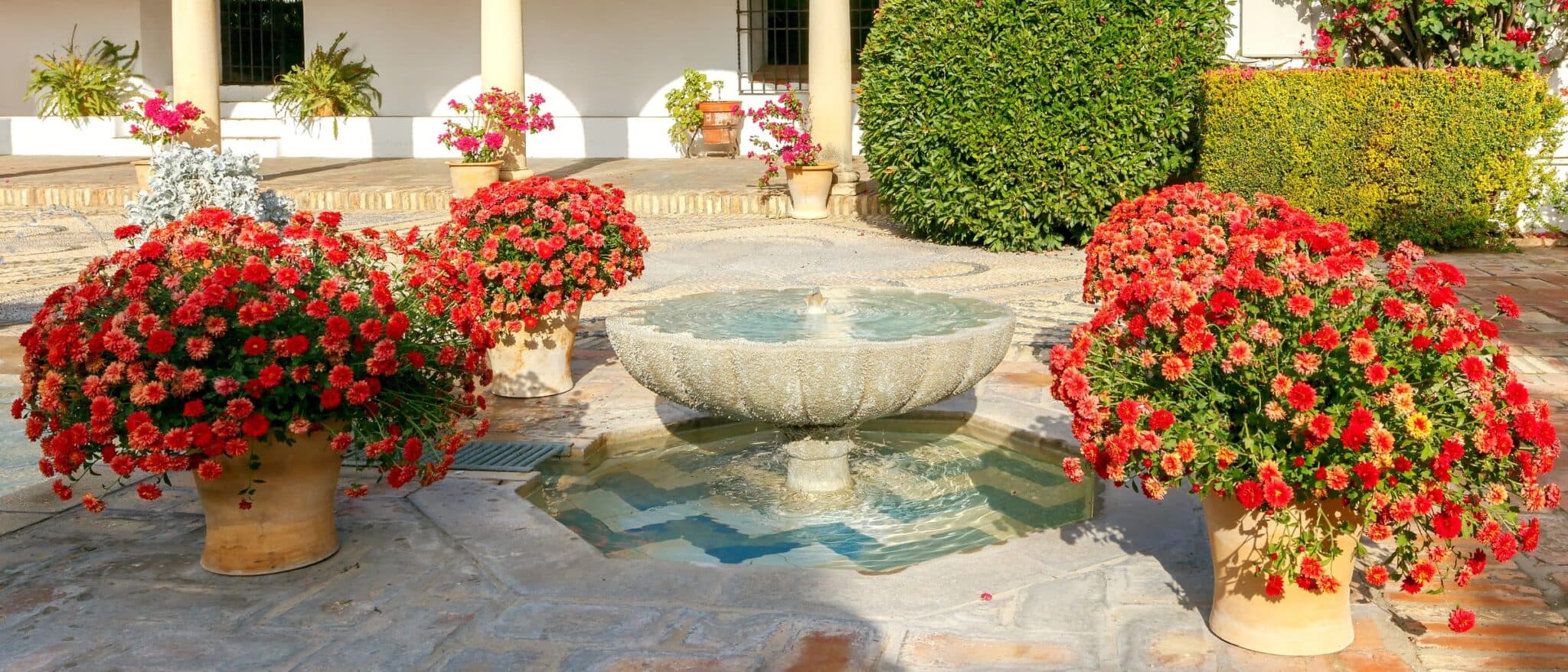
One of Córdoba’s most beloved and unique traditions is the Festival of the Patios (Fiesta de los Patios), a UNESCO Intangible Cultural Heritage of Humanity.10 Held every May, residents of the old town open their private patios to the public, transforming them into stunning showcases of cascading flowers, fountains, and intricate tilework. This festival is a vibrant celebration of community and a testament to the city’s deep connection to nature and a sense of shared beauty.
Flamenco and Bullfighting
Córdoba is an important center for flamenco, particularly for its unique style of flamenco puro and cante jondo (deep song).11 The city has produced some of the genre’s most influential artists, and its intimate tablaos (flamenco venues) offer authentic performances that are both passionate and deeply moving.12 The province also has a strong bullfighting tradition, with a rich history of famous bullfighters.
A Feast for the Senses: The Gastronomy of Córdoba
Córdoba’s cuisine is a flavorful mix of its agricultural bounty and its diverse cultural heritage, with dishes that are both hearty and refined.
Essential Dishes to Savor
- Salmorejo: A thicker, richer, and creamier version of gazpacho, often garnished with diced serrano ham and hard-boiled egg. It’s a refreshing and iconic cold soup perfect for the warm climate.
- Rabo de Toro: A rich, tender oxtail stew that is slow-cooked in a red wine sauce until the meat falls off the bone.13 It’s a classic and deeply satisfying dish.
- Flamenquín: A roll of cured ham and pork loin, breaded and deep-fried until golden. It’s a hearty and popular tapa throughout the province.
- Berengenas con Miel: A delicious and surprising sweet and savory dish of fried eggplant slices drizzled with cane honey (miel de caña).
Economy and Modern Life: From Agriculture to Tourism
Córdoba’s economy is a blend of its traditional strengths in agriculture and a burgeoning tourism sector.
Pillars of the Economy
The province is known for its vast expanses of olive groves, and it is one of Spain’s leading producers of olive oil. The Sierra de Montilla-Moriles is famous for its fortified wines, similar to sherry, and the region’s excellent wines are exported worldwide. Livestock farming, particularly for bullfighting and high-quality beef, also plays a significant role.
Tourism is now a major economic driver. The city of Córdoba, with its UNESCO World Heritage sites, attracts millions of visitors annually. The province also benefits from its growing reputation as a destination for rural tourism, with visitors flocking to the Sierra de Hornachuelos Natural Park and the Sierra de Subbética.
Geography and Natural Beauty: The Diverse Landscapes of Córdoba
While Córdoba is landlocked, its geography is anything but monotonous, ranging from rolling plains to rugged mountains.
The Guadalquivir Valley and the Sierras
The Guadalquivir River flows through the heart of the province, creating a fertile valley known as La Campiña.14 This region is dominated by olive groves and fields of sunflowers, providing a quintessential Andalusian landscape. North of the river, the Sierra Morena stretches across the province, with the Sierra de Hornachuelos Natural Park offering a rugged and biodiverse escape.15 This area is home to wild boars, Iberian lynx, and a variety of raptors.
To the south, the Sierras Subbéticas Natural Park is a stunning landscape of limestone karst formations, dramatic cliffs, and picturesque white villages like Zuheros and Priego de Córdoba. It’s a paradise for hikers, climbers, and caving enthusiasts.
Conclusion
Córdoba province is a testament to the power of history and culture. Its capital, once the beacon of European civilization, continues to captivate visitors with its stunning architecture and vibrant traditions. From the ancient Roman Bridge to the magnificent Mezquita, and from the fragrant patios of its old town to the rugged beauty of its sierras, Córdoba offers a rich and deeply rewarding experience. It is a place that truly represents the heart and soul of Andalusia.
Fiestas in Córdoba
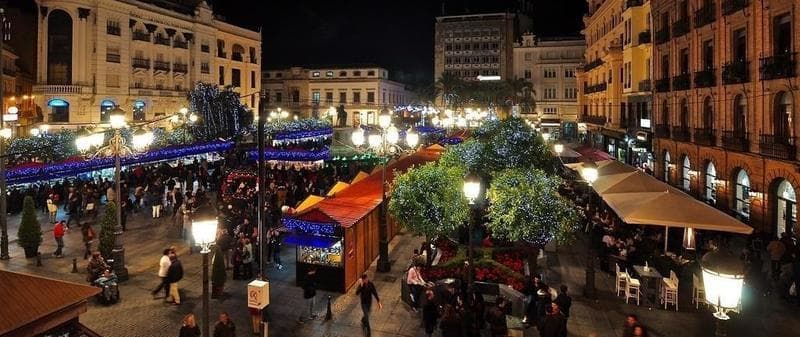
Switch-on late 2026 — lights run to 6 JanuaryExpectedChristmas lights in CórdobaChristmas · CórdobaChristmas Lights in Córdoba 2025 – A Magical Andalusian Winter Experience Christmas in the province of Córdoba is a beautiful blend of Andalusian tradition, warm community spirit, and spectacular light shows that illuminate both the historic capital and many charming towns across the region. From the dazzling displays in Córdoba city to the festive decorations…Expected early to mid May 2027ExpectedFiesta de los Patios, CórdobaCórdobaOrdinary people open their courtyards and let strangers walk through. It is the best fortnight to be in Córdoba, and the hardest to find a bed.Expected late May 2027ExpectedFeria de CórdobaFeria · CórdobaCórdoba’s own fair, at the end of a month that already has two other festivals in it.