 Travel
Province
Granada
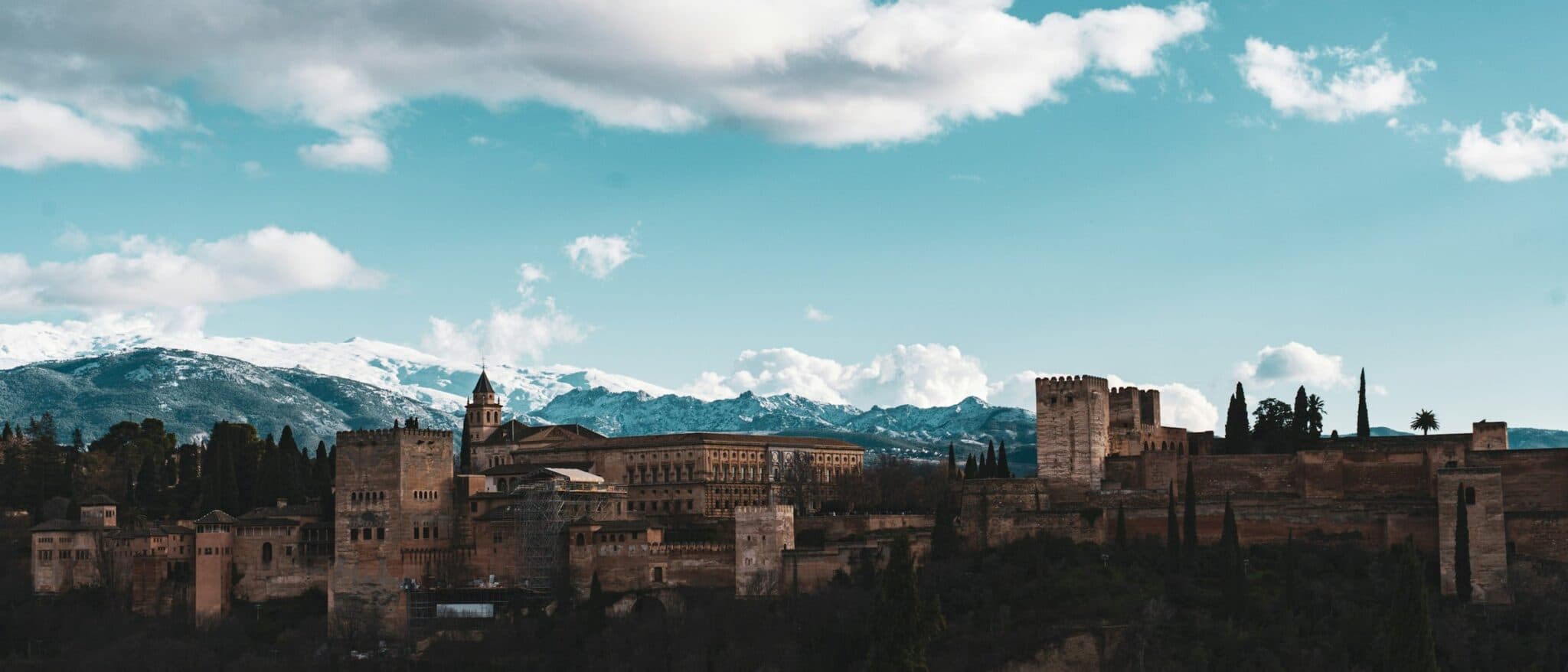
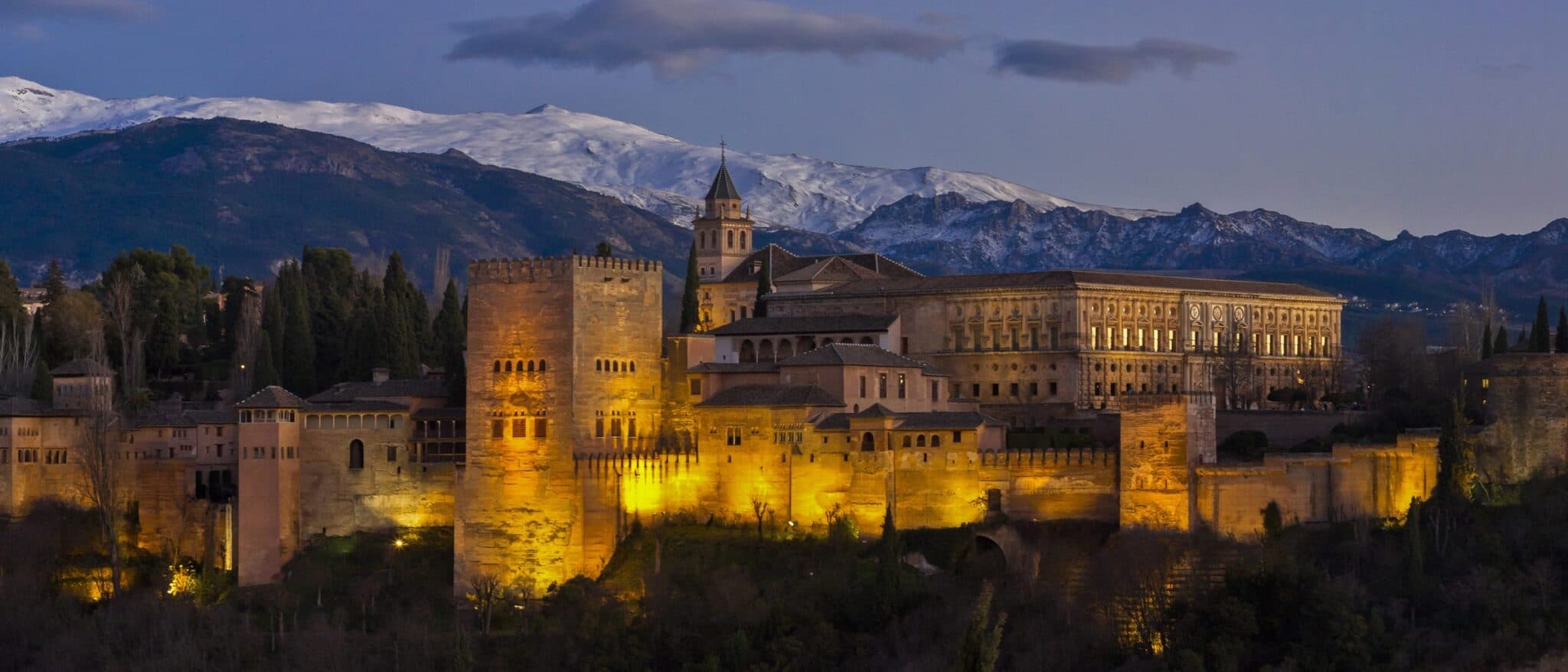
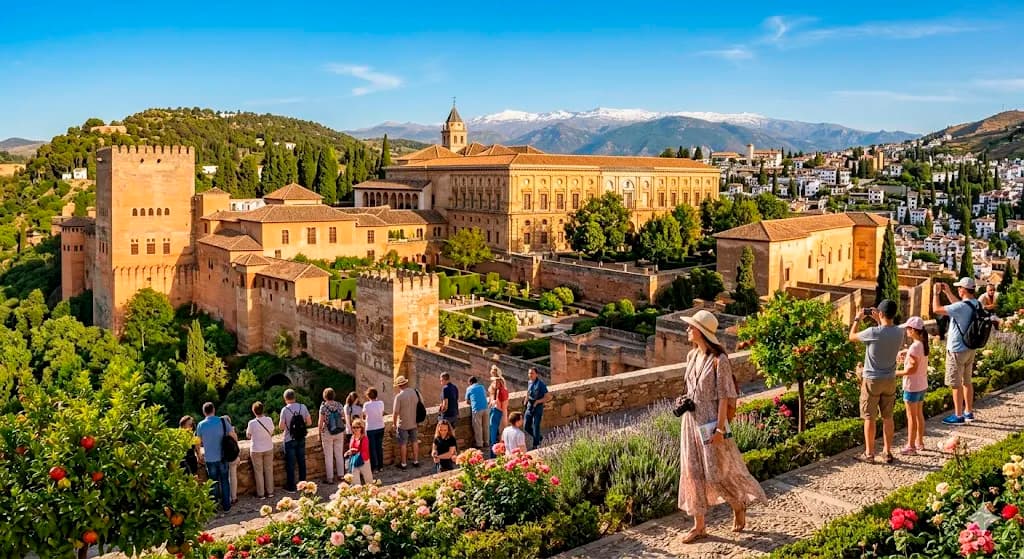
The Alhambra, and a mountain range behind it. The only province in Andalucía where you can ski in the morning and reach the coast the same afternoon.
- Main airport
- Federico García Lorca Granada–Jaén (GRX) — 17 km. Málaga (AGP) is often the better connection.
- Best months
- April–June and September–October. Sierra Nevada ski season runs roughly December–April.
- Getting there
- Limited flights into GRX; most visitors arrive by bus or train from Málaga or Seville. Alhambra tickets must be booked well in advance.
The Legacy of a Kingdom: A Detailed Guide to Granada Province
Granada, a province in eastern Andalusia, is a land defined by its extraordinary history and striking natural beauty. For centuries, it was the final bastion of Islamic rule in Western Europe, a legacy that has left an indelible mark on its architecture, culture, and spirit. Beyond its fabled capital and the world-renowned Alhambra, the province is a land of stunning contrasts, where the sun-kissed beaches of the Costa Tropical give way to the snow-capped peaks of the Sierra Nevada. This guide delves into the essence of Granada, from its glorious past to its vibrant present.
The Final Frontier: A History of Conquest and Coexistence
Granada’s history is a compelling narrative of different civilizations that have shaped its identity.
From Roman Outpost to Nasrid Kingdom
The region has been inhabited for over a million years, but its recorded history begins with the Iberians and their city of Iliberis. The Romans later settled here, and the Visigoths took control after the fall of the Roman Empire. The arrival of the Moors in 711 AD marked the beginning of a new era. They renamed the city Garnata al-yahud, or “Granada of the Jews,” acknowledging a pre-existing community.
After the collapse of the Caliphate of Córdoba, the Zirid dynasty established the Taifa of Granada in 1013, moving their capital from Medina Elvira to the new city. However, the most significant period began in 1238, when the Nasrid dynasty founded the Emirate of Granada. The Nasrid Kingdom was the last Muslim-ruled state in the Iberian Peninsula, surviving for over two and a half centuries by paying tribute to the Christian kingdoms and using its strategic location protected by the mountains. During this time, the Nasrids built their crowning achievement, the Alhambra.
The Reconquista and a New Era
On January 2, 1492, after a long siege, the last Nasrid ruler, Boabdil, surrendered Granada to the Catholic Monarchs, Ferdinand and Isabella. This momentous event marked the completion of the Reconquista. The fall of Granada was not just a military victory but a crucial turning point in Spanish and world history, as it freed the Catholic Monarchs to fund Christopher Columbus’s voyage, leading to the discovery of America.
The Christian rulers sought to leave their own legacy. They built the Royal Chapel as their final resting place and constructed the impressive Granada Cathedral over the site of the city’s Great Mosque. Emperor Charles V also built a grand palace within the Alhambra complex, symbolizing the intermingling of Christian and Islamic civilizations.
A Mosaic of Cultures: Art, Traditions, and Flamenco
Granada’s culture is a captivating blend of its Islamic past and Andalusian present, evident in its architecture, festivals, and music.
The Crown Jewel: The Alhambra and the Generalife
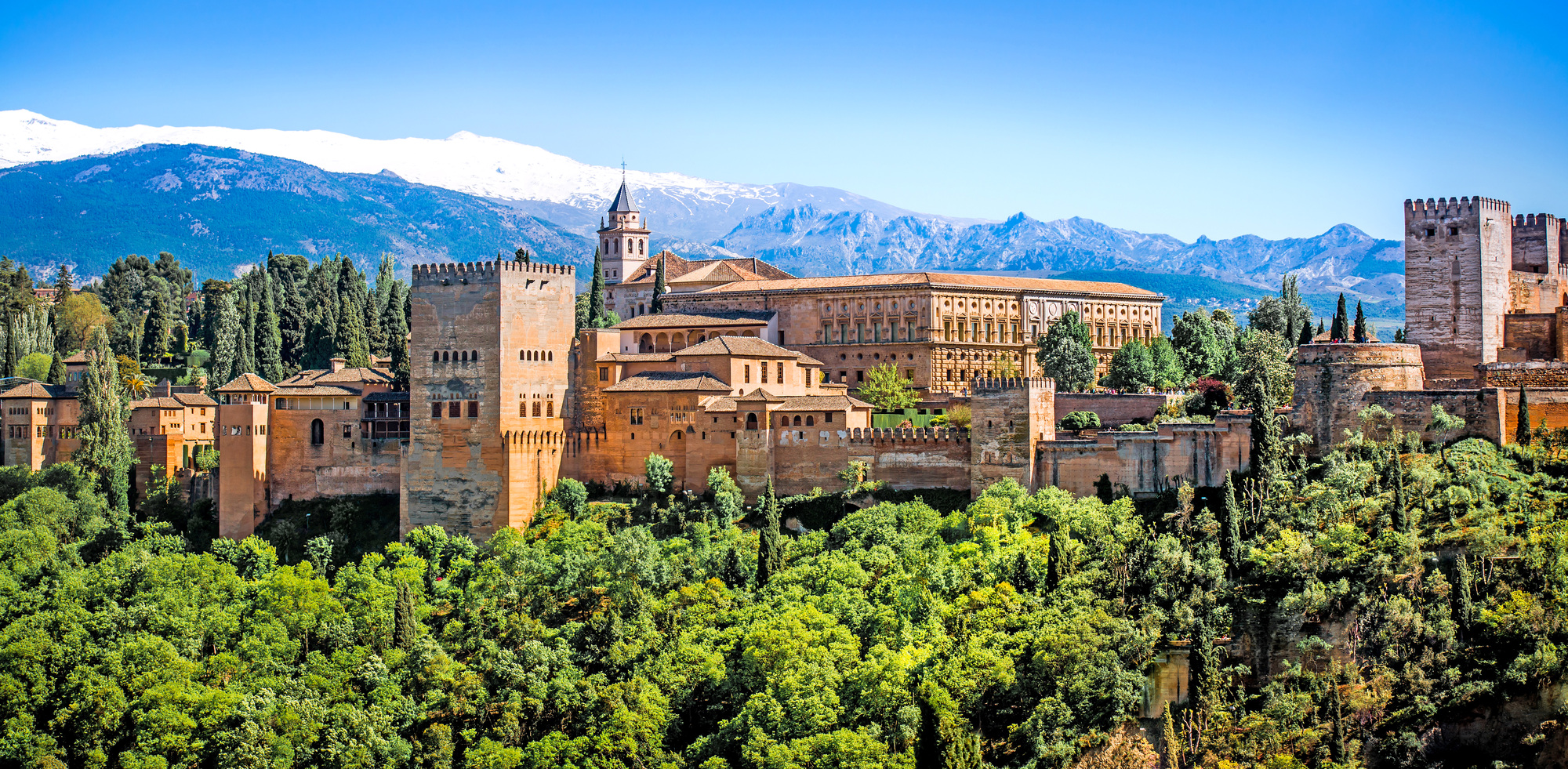
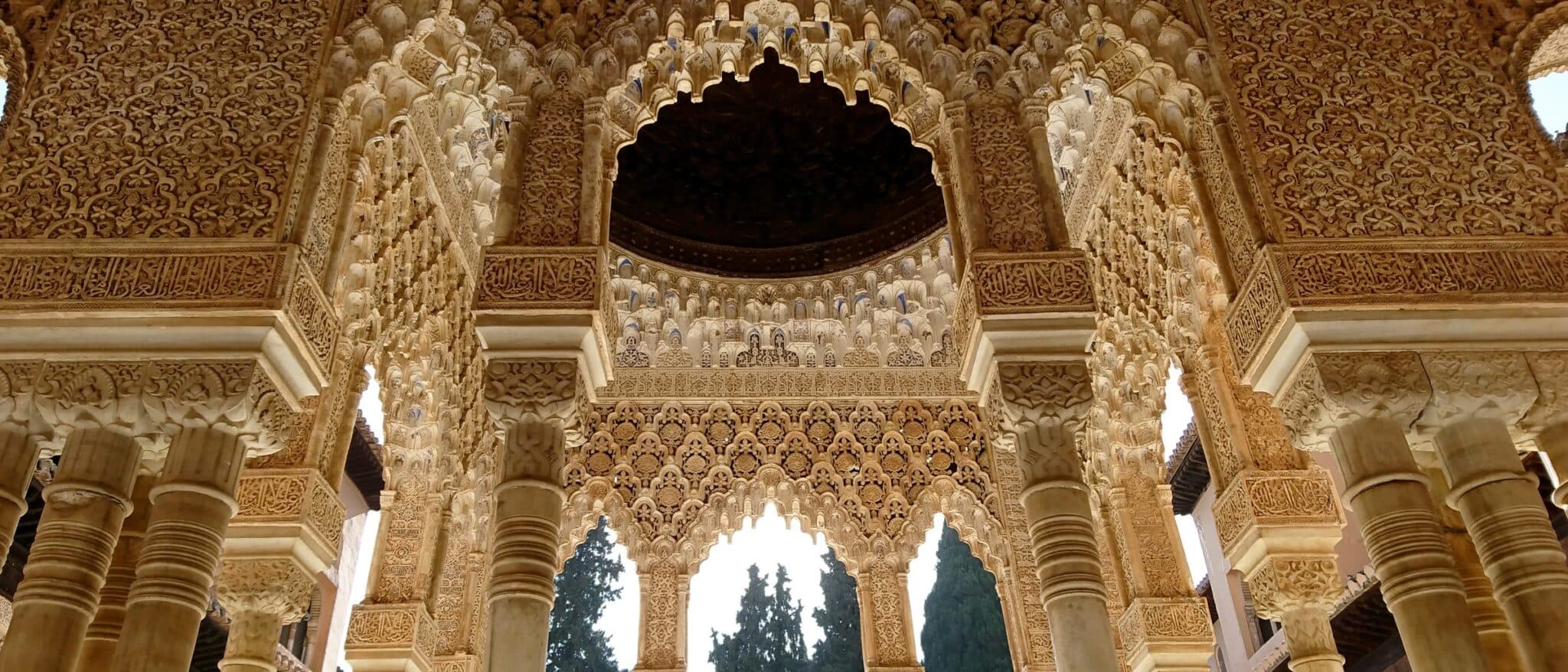
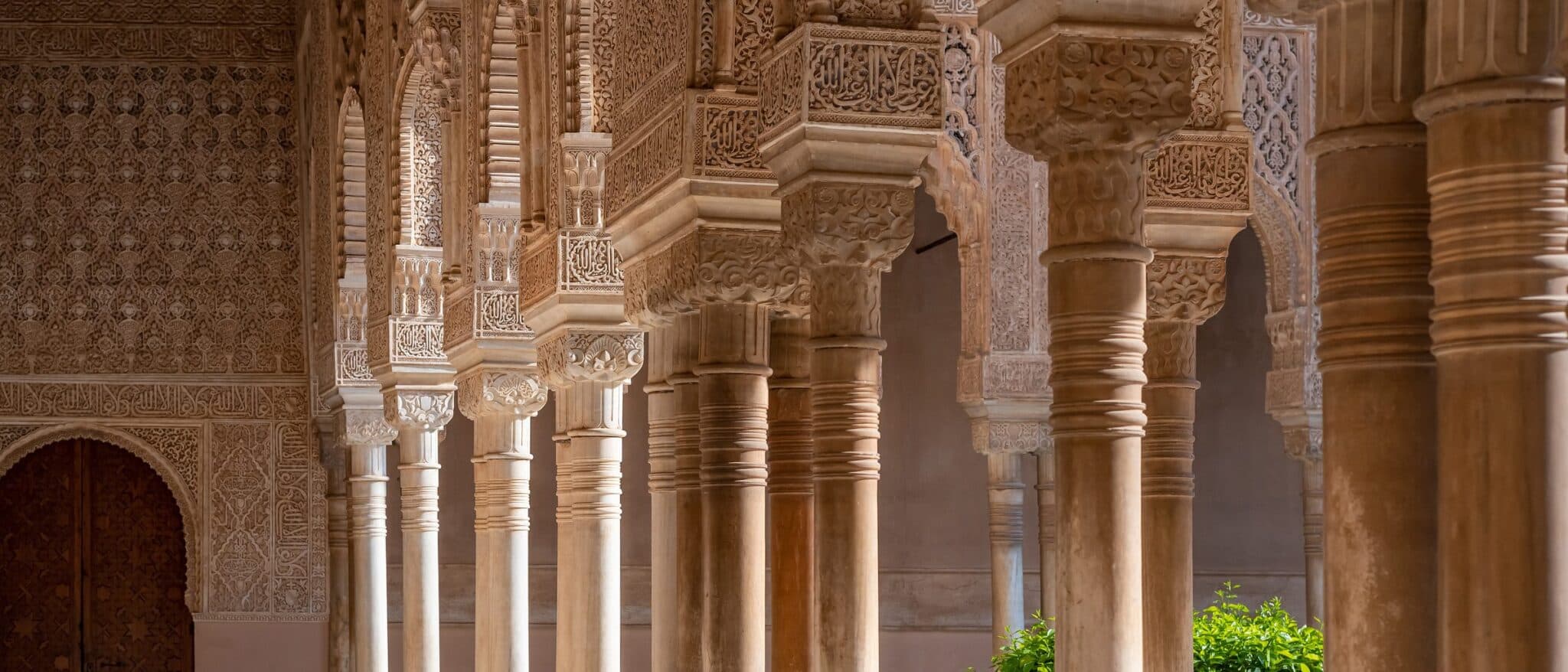
The Alhambra is a UNESCO World Heritage site and the most visited monument in Spain. This magnificent fortress-palace complex is a masterpiece of Nasrid architecture. Its intricate tilework, stunning plaster carvings, and serene courtyards, like the Court of the Lions and the Court of the Myrtles, reflect a level of artistic refinement unparalleled in Europe. The adjacent Generalife, the summer palace and gardens of the Nasrid rulers, offers a serene escape with its beautiful water features and lush greenery.
The Soulful Rhythm of Flamenco
Granada is one of the cradles of flamenco, particularly in the Sacromonte neighborhood. Perched on a hill facing the Alhambra, Sacromonte is famous for its cave dwellings, some of which are centuries old. Many of these caves host intimate flamenco shows, known as zambra, offering an authentic and passionate experience that is deeply rooted in the Romani culture of the area.
A Tapas Paradise
Granada is famous throughout Spain for its free tapas culture. Unlike other cities where tapas are a separate order, in Granada, almost every bar provides a generous, complimentary tapa with each drink ordered. This tradition makes exploring the city’s lively bars a culinary adventure and a popular pastime for both locals and tourists.
The Economic Fabric: From Agriculture to Tourism
The economy of Granada is a mix of traditional industries and a growing service sector, driven by tourism.
Agriculture and Industry
The province’s economy is predominantly agricultural, with key crops including olives, fruit trees, and vegetables. The fertile plains of the Vega de Granada are particularly productive. Other notable agricultural products are pomegranates (the fruit from which the city’s name is derived) and various tropical fruits grown on the Costa Tropical.
While not a major industrial hub, the province has a developing technology and services sector, and its University of Granada is one of the oldest and most prestigious universities in Spain, drawing a large and diverse student population that contributes significantly to the local economy.
Tourism
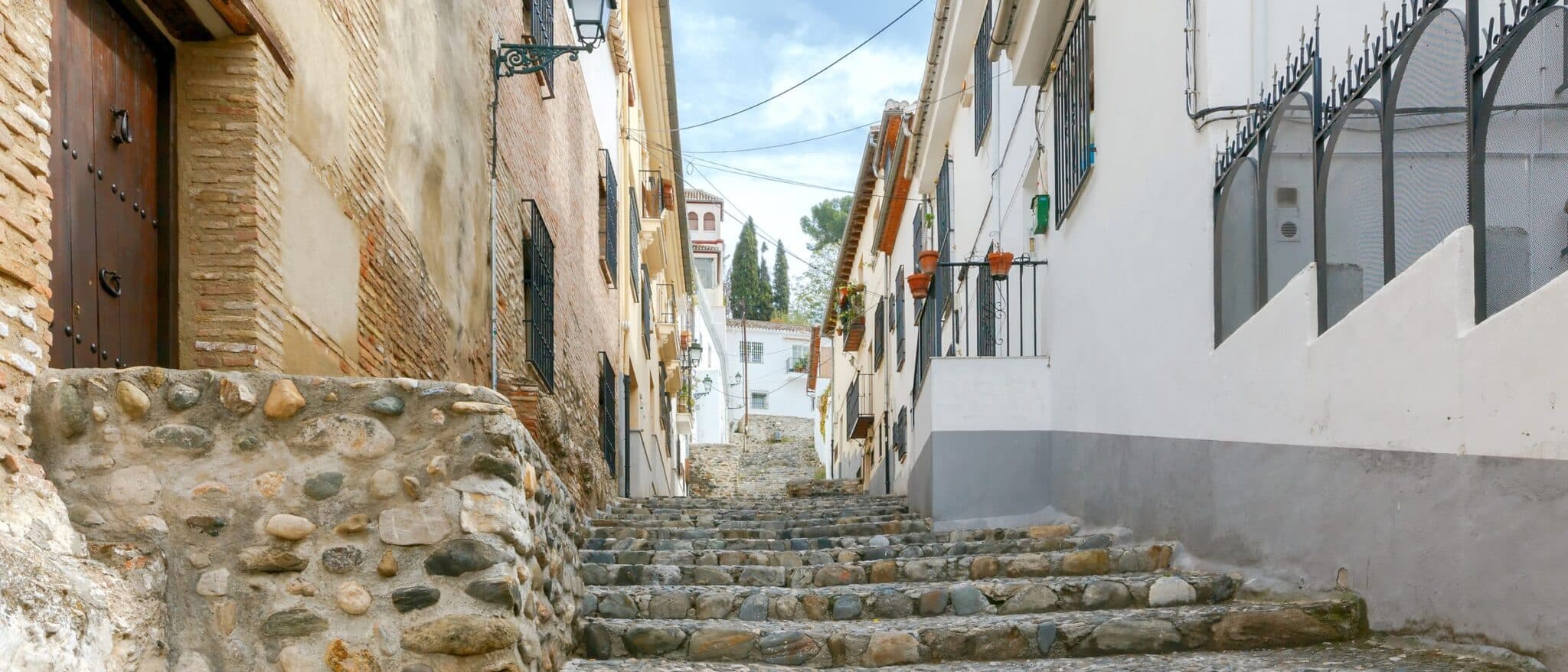
Tourism is the lifeblood of Granada’s modern economy. The city and province attract millions of visitors drawn to its cultural treasures. The city of Granada alone boasts multiple UNESCO World Heritage Sites, including the Alhambra, the Albaicín (the old Moorish quarter with its winding streets and carmenes or walled gardens), and the Generalife. The Mirador de San Nicolás in the Albaicín offers what many consider to be the most spectacular view of the Alhambra and the Sierra Nevada.
A Land of Extremes: Geography and Natural Wonders
Granada’s geography is defined by a dramatic juxtaposition of landscapes, from the highest mountains in the Iberian Peninsula to a subtropical coast.
The Roof of the Peninsula: The Sierra Nevada
The Sierra Nevada National Park is home to the highest peak in mainland Spain, Mulhacén (3,478 m). The park’s high altitude and unique location in southern Europe have created an exceptional ecosystem with a high number of endemic plant species. The Sierra Nevada is also Europe’s southernmost ski resort, offering a unique opportunity to ski in the morning and relax on the beach in the afternoon.
The Alpujarras and the Costa Tropical
On the southern slopes of the Sierra Nevada lie the Alpujarras, a region of rugged valleys and terraced hillsides. The white villages of the Alpujarras, with their characteristic flat-roofed houses, are a peaceful escape for hikers and nature lovers. The region is also famous for its high-quality cured hams.
Beyond the Alpujarras, the province’s narrow coastal strip, known as the Costa Tropical, enjoys a subtropical climate that allows for the cultivation of tropical fruits like mangoes, avocados, and custard apples. The coast offers a more relaxed and authentic atmosphere compared to some of its more developed neighbors.
Conclusion
Granada province is a destination that captivates the imagination. Its rich history, defined by the rise and fall of empires, is preserved in its breathtaking monuments and lively traditions. From the architectural splendor of the Alhambra to the raw passion of its flamenco caves, and from the snow-capped peaks of the Sierra Nevada to the tropical beaches of its coast, Granada offers a multi-sensory journey through the very heart of Andalusia. It is a place where every corner tells a story, and every experience is unforgettable.
For a summer afternoon away from the monuments, Aquaola is Granada’s water park.
All 55 beaches in Granada, on a map →
Fiestas in Granada
Switch-on late 2026 — lights run to 6 JanuaryExpectedChristmas lights in GranadaChristmas · GranadaChristmas Lights in Granada 2025 – Discover the Magic of Andalusia’s Historic Capital Christmas in the province of Granada is a breathtaking experience where centuries-old Moorish architecture meets modern festive celebrations. From the spectacular 2.5 million LED lights illuminating Granada city to the charming coastal displays in Almuñécar and Motril, the entire province transforms into…Around 22–29 May 2027 — Corpus Thursday is 27 MayExpectedCorpus Christi in GranadaFeria · GranadaGranada’s biggest week of the year, and the one fiesta whose date genuinely moves with the church calendar.
Guides to Granada
Travel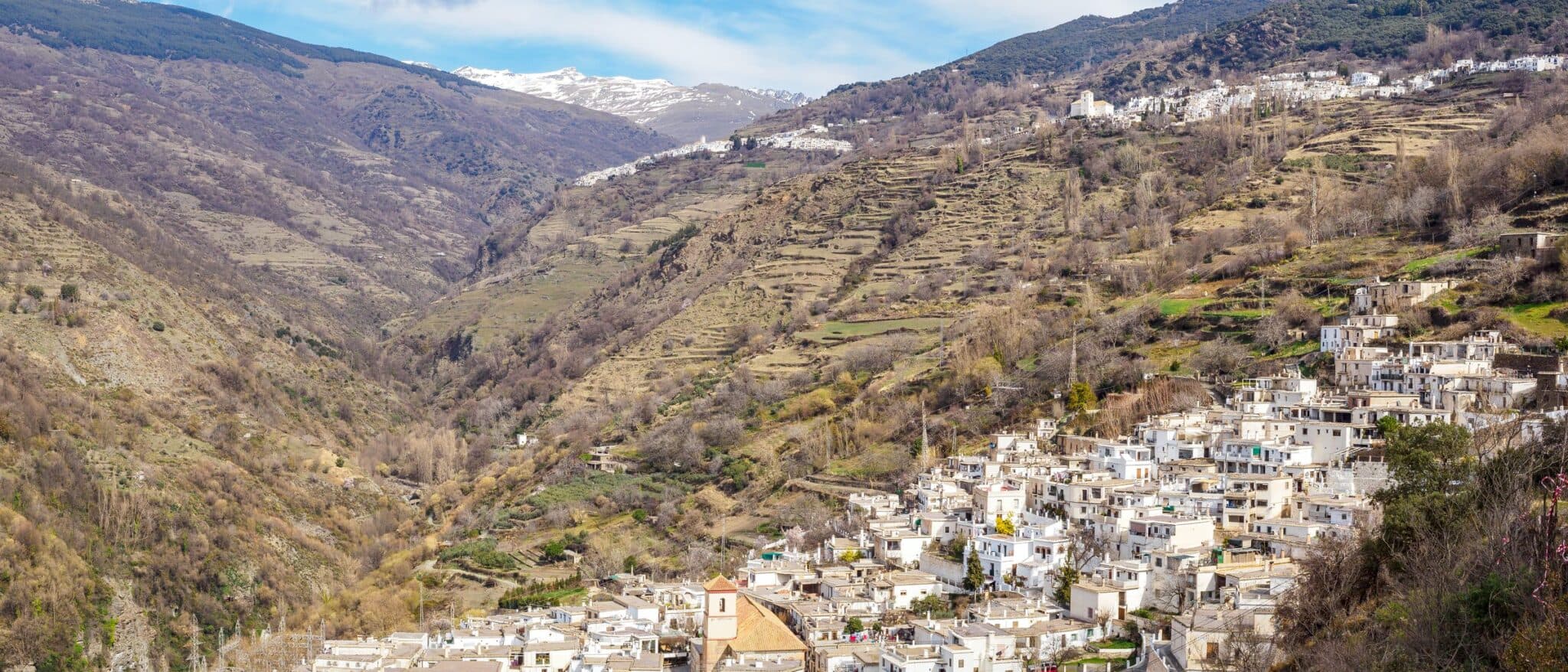 Travel
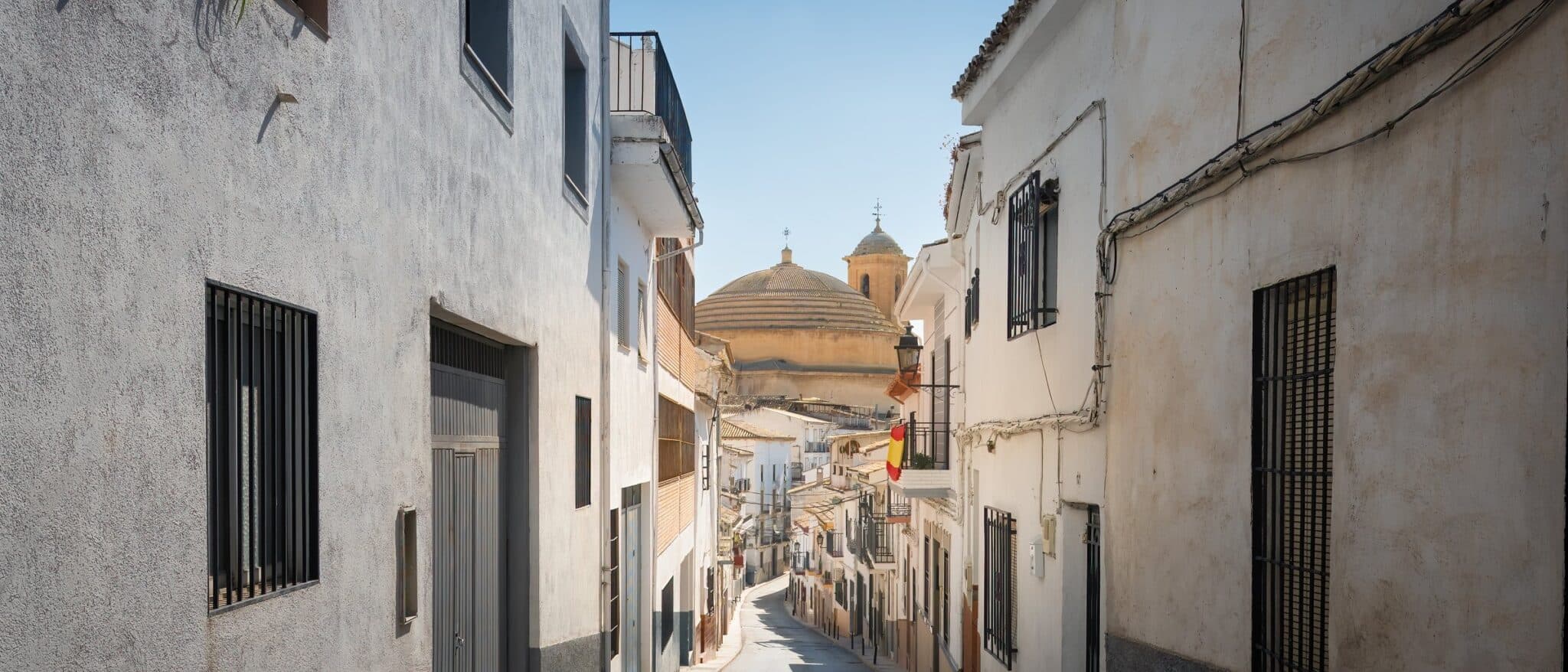
October in Granada: the Alhambra is bookable, the Alpujarras are at their best, and the sierra is shut
 Travel
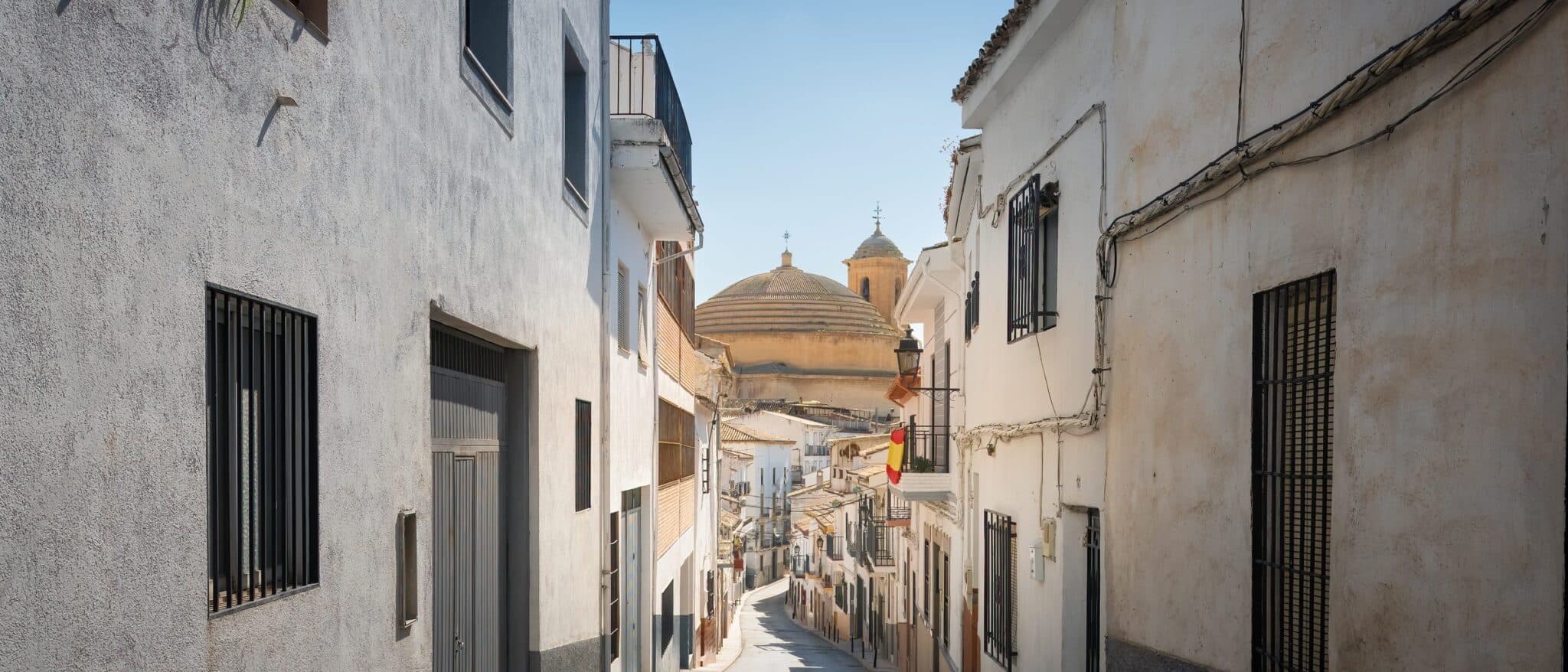
September in Granada: Cascamorras, cool nights, and mangoes on the coast
 Cities
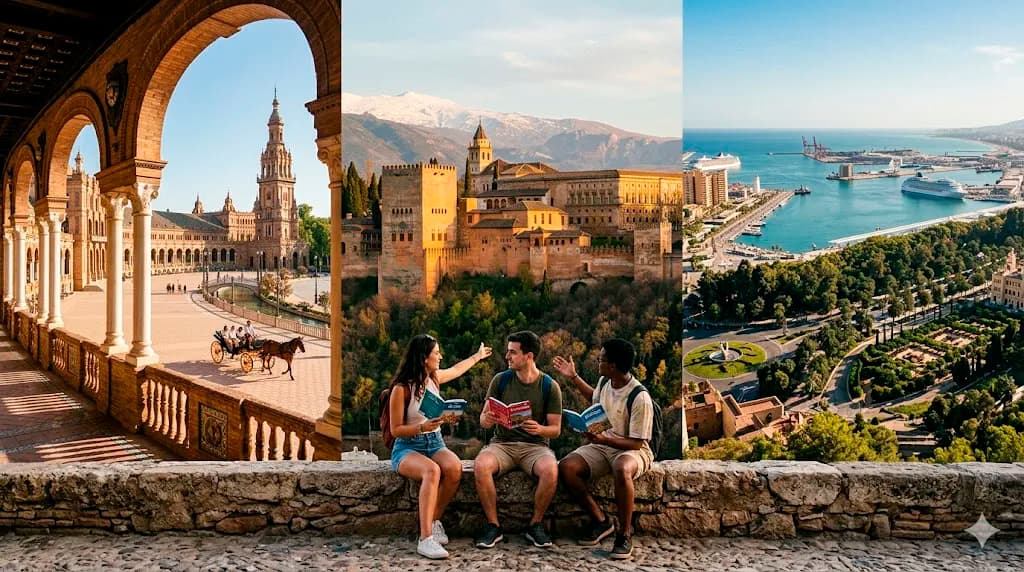
Best City in Andalucia for First-Timers: Seville, Granada or Málaga?
 Attraction
Alhambra Tips for First-Time Visitors (2026)
 Travel
Best Day Trips from Granada (2026 Guide)
 Attraction
Alhambra Night Visit: Everything You Need to Know (2026)
 Travel
Seville to Granada Day Trip: Is It Worth It?
 Food
FoodBest Tapas in Granada: Where to Eat (2026 Guide)
 Attraction
How to Book Alhambra Tickets: Step-by-Step Guide (2026)
 Cities
Seville vs Granada: Which City Should You Visit?
 Attraction