 Travel
Province
Jaén
Olive country, the Renaissance towns of Úbeda and Baeza, and the largest protected natural area in Spain at Cazorla.
- Main airport
- No airport. Granada (GRX) is about 1 h 15; Madrid and Málaga are both realistic road approaches.
- Best months
- April–June and September–October. Olive harvest runs from late November into February.
- Getting there
- Landlocked and least served by public transport of the eight provinces. A car is required for the sierras.
The Land of Olives: A Detailed Guide to Jaén Province
Jaén, a landlocked province in northeastern Andalusia, is a region of immense natural beauty and historical depth, often referred to as the “Olive Oil Capital of the World.” While it may not have the bustling coasts or world-famous monuments of its neighbors, Jaén possesses a quiet, authentic charm and a rich heritage that tells the story of Iberia’s heartland. From its vast, silvery sea of olive trees to its magnificent Renaissance cities and rugged mountain parks, Jaén is a treasure trove waiting to be discovered. This comprehensive guide explores the many facets of this remarkable province.
A Legacy of Conquest and Art: The History of Jaén
Jaén’s history is one of strategic importance, shaped by the confluence of different civilizations that have left their mark on its towns, fortresses, and culture.
Roman and Moorish Origins
The history of the region dates back to ancient times, with evidence of Iberian settlements. The Romans established a presence here, creating the Roman city of Aurgi on the site of modern-day Jaén. After the fall of the Roman Empire, the Visigoths briefly held control before the arrival of the Moors in 711 AD.
Under Moorish rule, Jaén, or Jayyān, became a vital military stronghold due to its strategic position guarding the pass between Andalusia and the central plains of Castile. The city’s imposing Alcazaba (fortress) was built on the remains of a Roman and Visigothic castle, and it was fiercely contested by both Muslim and Christian forces.
The Gateway to the Reconquista
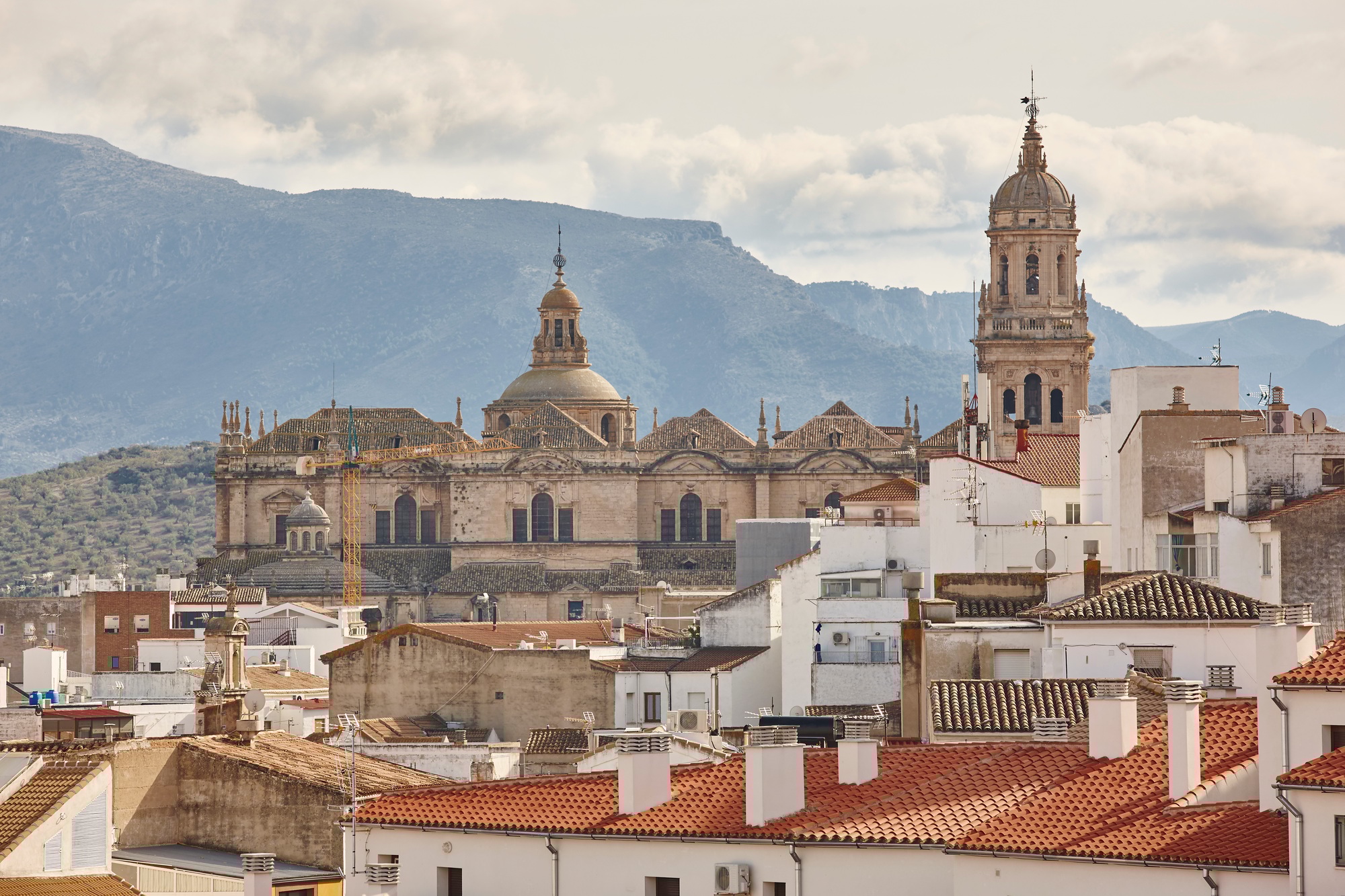
Jaén earned its historical fame as the “Gateway to Andalusia.” It was a key military objective for the Christian kingdoms, as its capture would open up the fertile Guadalquivir Valley to further conquests. In 1246, King Ferdinand III of Castile captured Jaén, marking a decisive moment in the Reconquista. He immediately began converting the city’s main mosque into the Jaén Cathedral, a project that would take centuries to complete.
The province’s most significant artistic legacy, however, is found in the cities of Úbeda and Baeza. These two towns, located in the province’s eastern region, became economic and cultural powerhouses in the 16th century. Their wealthy patrons commissioned some of Spain’s most talented architects, including Andrés de Vandelvira, to transform them with magnificent Renaissance palaces, squares, and churches. This remarkable concentration of Renaissance architecture earned both cities a joint designation as a UNESCO World Heritage Site in 2003.
The Olive Tree: A Pillar of Culture and Economy
The olive tree is more than a crop in Jaén; it is a fundamental part of its identity, culture, and economy.
The Olive Oil Capital
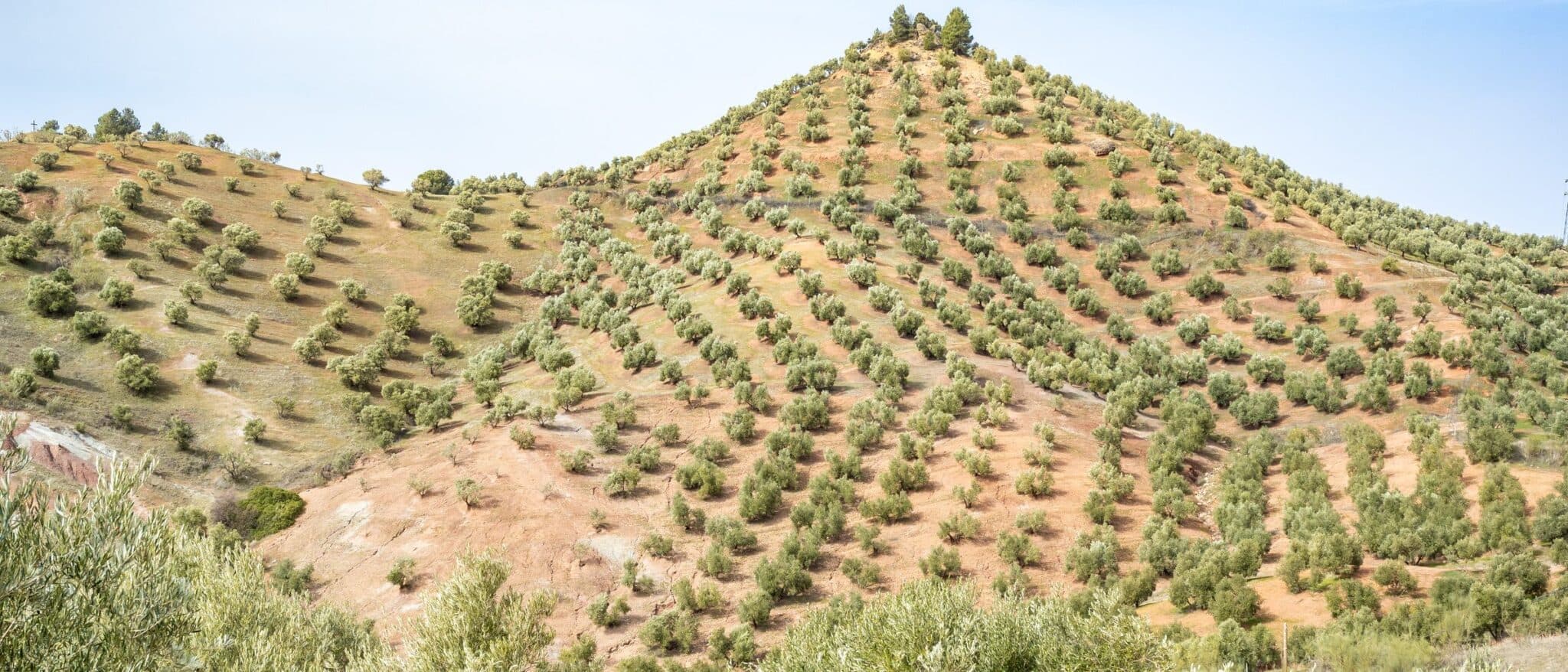
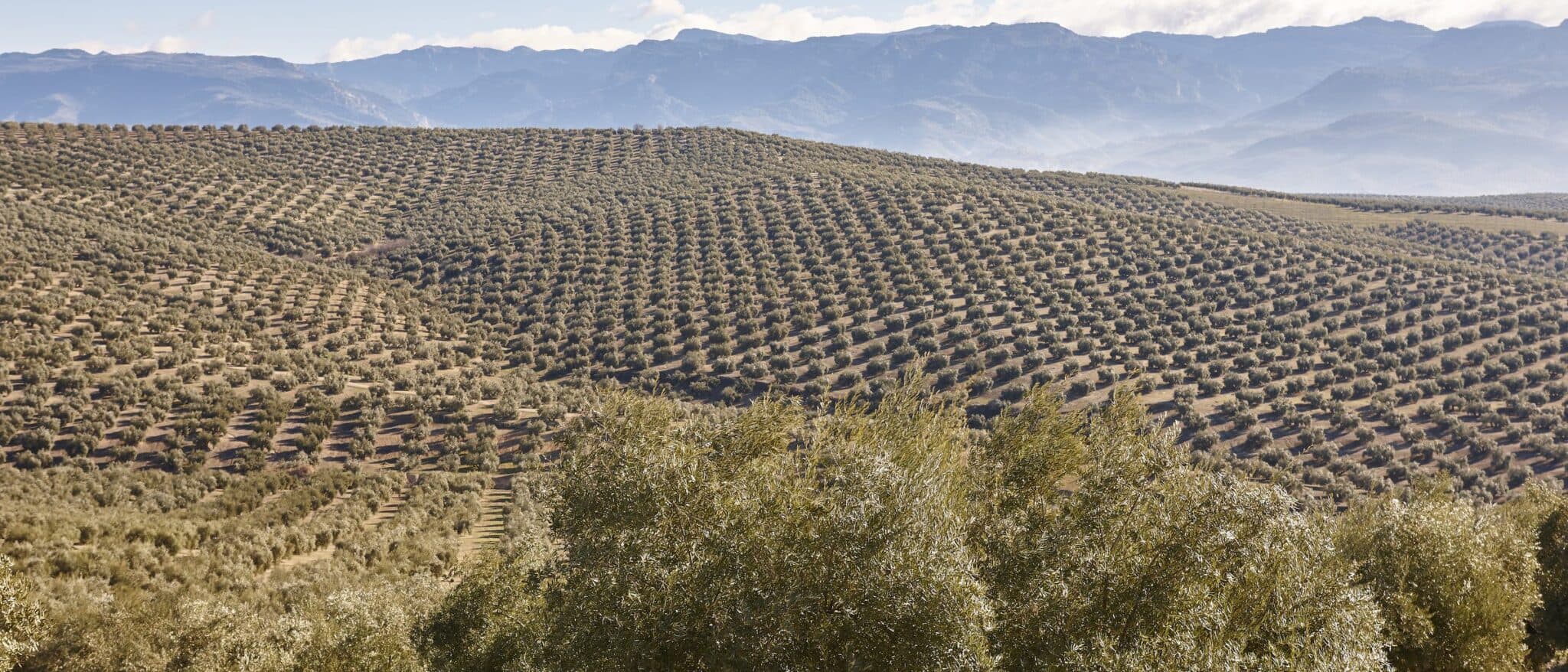
Jaén is the largest producer of olive oil in the world. The province’s landscape is dominated by an incredible, seemingly endless “sea of olives,” with over 60 million trees stretching across its hills and valleys. This vast monoculture produces roughly half of Spain’s olive oil and about 20% of the world’s total. This industry, with its ancient roots and modern innovations, provides a livelihood for a significant portion of the population. The region is a mecca for olive oil enthusiasts, who can visit local mills (almazaras) to learn about the production process and participate in tastings.
Culinary and Cultural Significance
The local cuisine of Jaén is naturally centered around its liquid gold. Extra Virgin Olive Oil (EVOO) is the star ingredient in virtually every dish. It is used in cooking, as a dressing, and even as a simple accompaniment to toasted bread. The province celebrates its culinary heritage with dishes like pipirrana (a cold salad with vegetables), ajo blanco (a cold garlic and almond soup), and simple preparations of fresh vegetables and grilled meats that let the quality of the olive oil shine through.
Geography and Natural Beauty: From Olive Groves to Sierras
Jaén’s geography is a fascinating mix of agricultural plains and rugged mountain ranges. The province is defined by its two main landscapes: the olive groves of the Campiña and the spectacular natural parks of the Sierras.
The Great Natural Parks
Jaén is home to four major natural parks, covering almost a third of its territory and offering a stunning contrast to the cultivated plains.
- Sierras de Cazorla, Segura y Las Villas Natural Park: The largest protected area in Spain, this park is a paradise for hikers and nature lovers. It is the source of the Guadalquivir River, and its landscape is a mix of limestone cliffs, deep canyons, and vast pine forests. It’s home to a variety of wildlife, including wild boars, red deer, and the Spanish ibex.
- Sierra Mágina Natural Park: Known for its rugged, high peaks and rich biodiversity, this park is a haven for mountain lovers and a protected area for rare species of birds of prey.
- Sierra de Andújar Natural Park: Located in the western part of the province, this park is one of the last strongholds of the critically endangered Iberian lynx. It is a sanctuary of Mediterranean forest and dehesa (open pastures) that provides a vital habitat for many species.
- Despeñaperros Natural Park: A natural gorge that has served as a strategic mountain pass connecting Andalusia to the rest of Spain for centuries.
Conclusion
Jaén province is an authentic and enchanting destination that offers a glimpse into the true heart of Andalusia. Its endless olive groves are a testament to the region’s deep connection to the land. Its magnificent Renaissance cities of Úbeda and Baeza are architectural jewels that tell a story of wealth and artistry. And its rugged mountain parks offer a haven for nature and adventure lovers. Jaén is a province that rewards the curious traveler with its serene beauty, rich history, and the simple elegance of its liquid gold.
Fiestas in Jaén
On now9–18 October 2026Feria de San Lucas, JaénFeria · JaénTen days in October, and the only major feria with a date you can rely on a year out.Switch-on late 2026 — lights run to 6 JanuaryExpectedChristmas lights in JaénChristmas · JaénChristmas Lights in Jaén 2025 – Experience 1.6 Million LED Lights and 911 Illuminated Arches Jaén transforms into a breathtaking Christmas destination each winter, with over 1.6 million LED lights and 911 spectacular illuminated arches creating one of Andalusia’s most impressive festive displays. The 2025 Christmas lights in Jaén promise an unforgettable experience as this…