 Travel
Blog
Andalusian Cuisine
Andalusian Cuisine: A Culinary Journey Through Southern Spain Nestled in the sun-drenched southern region of Spain, Andalusia boasts a culinary tradition as rich and diverse as its history. From the refreshing gazpacho that cools sun-kissed afternoons to the hearty rabo de toro that warms chilly evenings, Andalusian cuisine is a testament to the region’s Moorish…
Andalusian Cuisine: A Culinary Journey Through Southern Spain
Nestled in the sun-drenched southern region of Spain, Andalusia boasts a culinary tradition as rich and diverse as its history. From the refreshing gazpacho that cools sun-kissed afternoons to the hearty rabo de toro that warms chilly evenings, Andalusian cuisine is a testament to the region’s Moorish heritage, Mediterranean location, and centuries of cultural fusion.
A Tapestry of Flavors and Influences
Andalusian Cuisine and gastronomy is a vibrant tapestry woven from various cultural threads. The Moors, who ruled the region for nearly eight centuries, left an indelible mark on the cuisine, introducing spices, nuts, and cooking techniques that still influence dishes today. This blend of Moorish, Christian, and Jewish influences has resulted in a unique culinary landscape that celebrates fresh, local ingredients and time-honored traditions.
The Mediterranean Bounty
With its extensive coastline along the Mediterranean Sea and Atlantic Ocean, Andalusia is blessed with an abundance of seafood. This maritime influence is evident in dishes like pescaíto frito, a beloved assortment of crispy fried fish that’s a staple in coastal towns. The region’s warm climate also yields a cornucopia of fresh produce, including juicy tomatoes, crisp cucumbers, and fragrant olive oil, which form the backbone of many Andalusian recipes.
Iconic Dishes of Andalusia
Cold Soups: Gazpacho and Salmorejo
No discussion of Andalusian cuisine is complete without mentioning its famous cold soups. Gazpacho, perhaps the most internationally recognized Andalusian dish, is a refreshing blend of ripe tomatoes, cucumbers, peppers, garlic, and olive oil. Its cousin, salmorejo, hails from Córdoba and offers a thicker, creamier texture thanks to the addition of bread. Both soups are perfect for combating the scorching Andalusian summers and showcase the region’s mastery of simple, flavorful ingredients.
Rabo de Toro: A Hearty Delicacy
For those seeking heartier fare, rabo de toro (oxtail stew) is a must-try. This rich, slow-cooked dish originated in Córdoba and has become a beloved staple throughout Andalusia. The tender meat, braised in red wine and vegetables, falls off the bone and offers a comforting warmth that’s perfect for cooler evenings.
Jamón Ibérico: The Crown Jewel
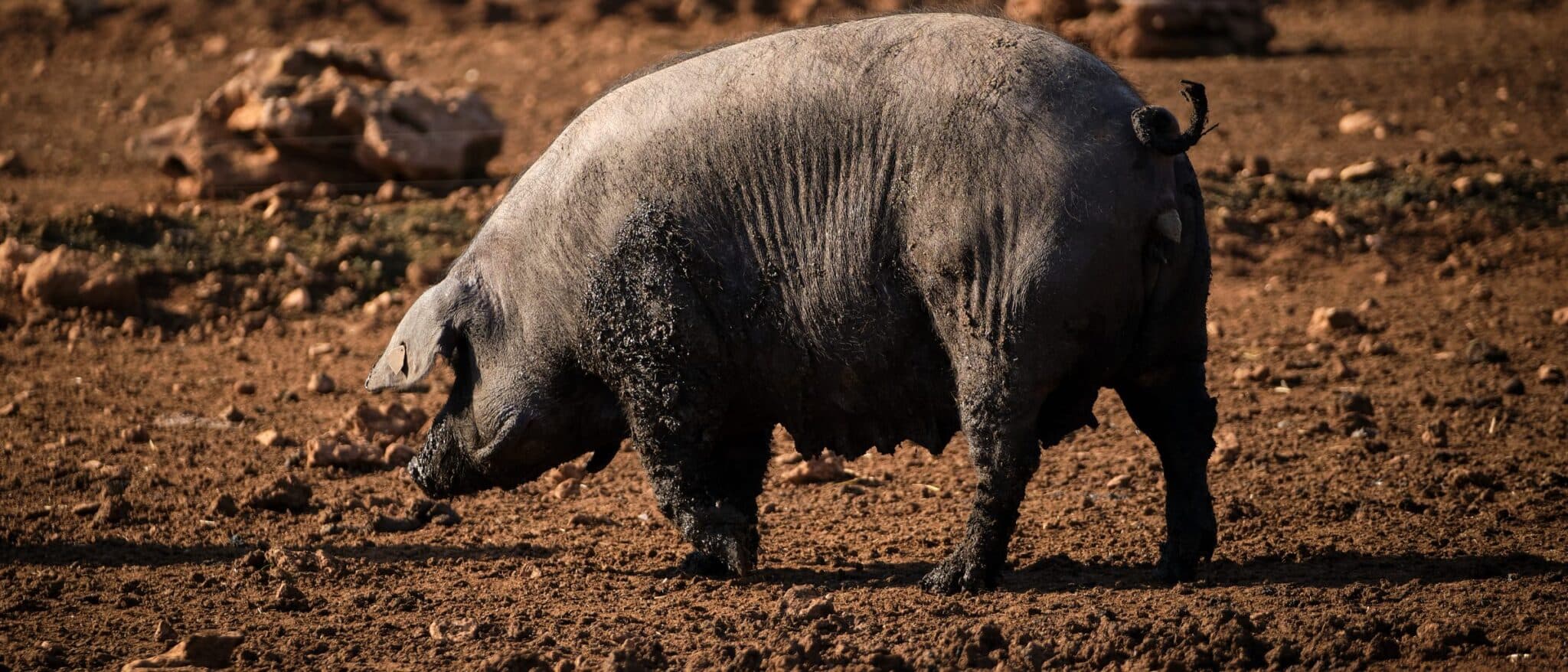
No culinary journey through Andalusia would be complete without sampling the region’s famous jamón ibérico. This exquisite cured ham, made from black Iberian pigs, is a point of pride for Andalusians[4]. The best varieties come from pigs fed on acorns, resulting in a nutty, melt-in-your-mouth flavor that’s unparalleled.
The Art of Tapas
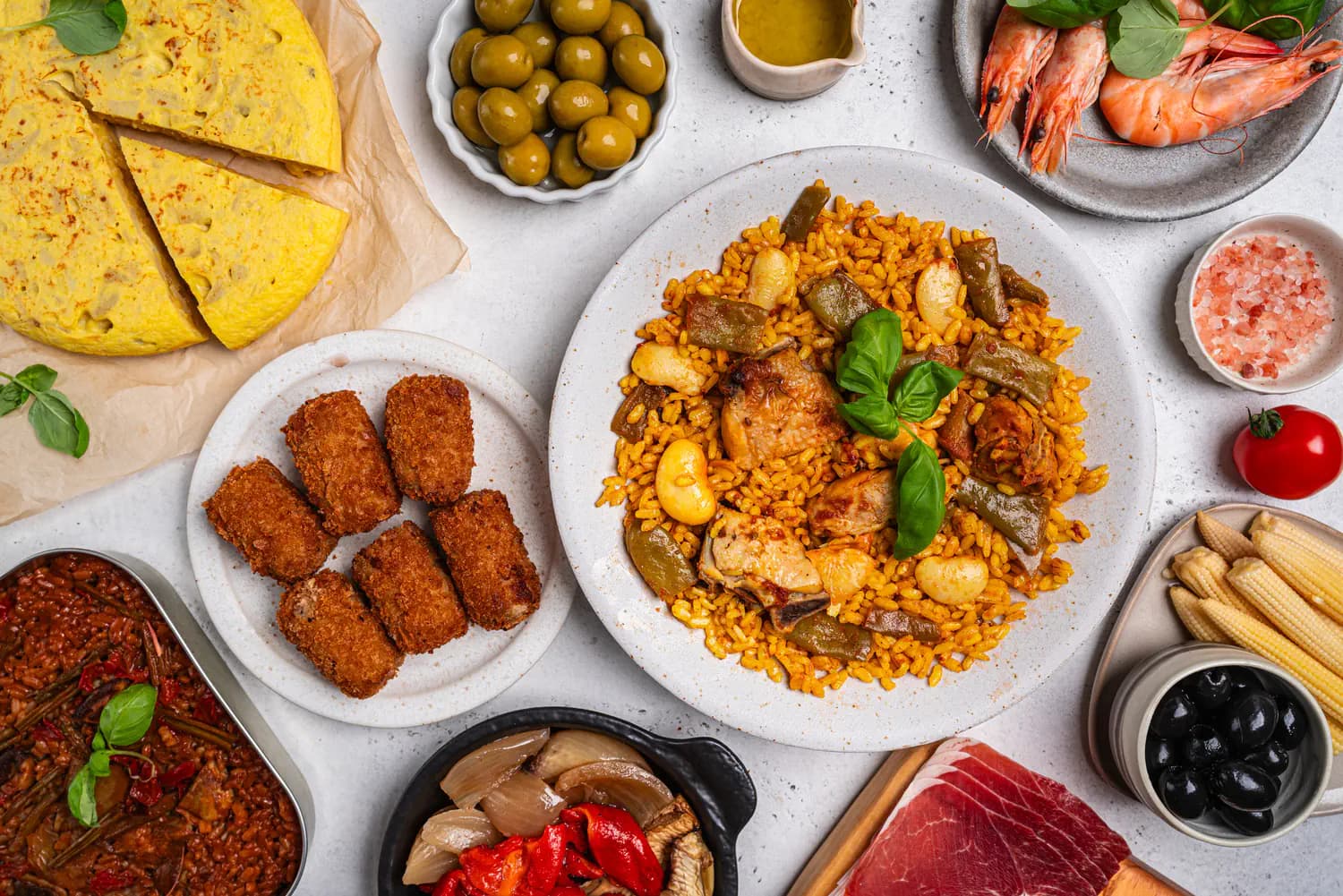
Andalusia is the birthplace of tapas culture, and this tradition of small, shared plates is integral to the region’s culinary identity. From simple olives and cheese to more elaborate creations, tapas embody the social nature of Andalusian dining[2]. Some must-try tapas include:
- Espinacas con garbanzos: A flavorful combination of spinach and chickpeas
- Flamenquín: A crispy roll of pork loin and Iberian ham
- Tortilla de camarones: A delicate shrimp fritter
Sweet Temptations
Andalusian desserts reflect the region’s sweet tooth and Moorish influences. Indulge in treats like:
- Torrijas: The Andalusian version of French toast, often enjoyed during Easter
- Polvorones: Crumbly almond cookies that melt in your mouth
- Pestiños: Honey-glazed pastries with a hint of anise
Dining Customs and Etiquette
To truly appreciate Andalusian cuisine, it’s essential to understand the local dining customs. Lunch is typically the main meal of the day, often enjoyed leisurely with family or friends[2]. Dinner is usually lighter and served later in the evening, often consisting of tapas or small plates.
When dining out, it’s common to order several dishes to share, allowing everyone to sample a variety of flavors. Don’t be surprised if your table becomes crowded with plates – this is all part of the convivial Andalusian dining experience.
Where to Sample Authentic Andalusian Cuisine
To experience the best of Andalusian Cuisine and gastronomy, venture beyond tourist hotspots and seek out local establishments. Here are some recommendations:
- Seville: Visit the Triana market for fresh produce and local specialties, then head to El Rinconcillo, the city’s oldest tapas bar, for authentic flavors.
- Granada: Explore the Albaicín neighborhood for traditional taverns serving free tapas with drinks.
- Málaga: Stroll along the beachfront for the freshest pescaíto frito, or visit the central market for a wide array of local products.
- Córdoba: Don’t miss the tabernas in the Jewish Quarter for the best salmorejo and flamenquín.
Andalusian Wines and Sherries
No culinary journey through Andalusia is complete without sampling the region’s renowned wines and sherries. The Jerez region, in particular, is famous for its sherry production. From dry finos to sweet Pedro Ximénez, these fortified wines pair beautifully with Andalusian cuisine.
For table wines, look for labels from the following Denominaciones de Origen:
- Málaga
- Sierras de Málaga
- Montilla-Moriles
- Condado de Huelva
These wines, ranging from crisp whites to full-bodied reds, complement the diverse flavors of Andalusian dishes perfectly.
The Future of Andalusian Gastronomy
While deeply rooted in tradition, Andalusian cuisine continues to evolve. Modern chefs are reinterpreting classic recipes, incorporating innovative techniques while respecting the essence of traditional flavors[2]. This balance between honoring heritage and embracing innovation ensures that Andalusian gastronomy remains vibrant and relevant in the contemporary culinary world.
Conclusion
Andalusian cuisine is more than just a collection of recipes; it’s a reflection of the region’s rich history, diverse influences, and vibrant culture. From the simplicity of gazpacho to the complexity of a perfectly aged jamón ibérico, each dish tells a story of tradition, innovation, and the bounty of the land and sea.
As you embark on your culinary journey through Andalusia, remember that food here is not just sustenance – it’s a celebration of life, community, and the joy of sharing. So pull up a chair, raise a glass of fino sherry, and prepare to savor the flavors of southern Spain. Your taste buds will thank you for the adventure.