 Travel
Food
Córdoba Food Guide: What to Eat, Where to Eat It (2026)
What to eat in Córdoba — salmorejo, flamenquín, rabo de toro, Montilla wine, and the best tapas bars and restaurants in the city.
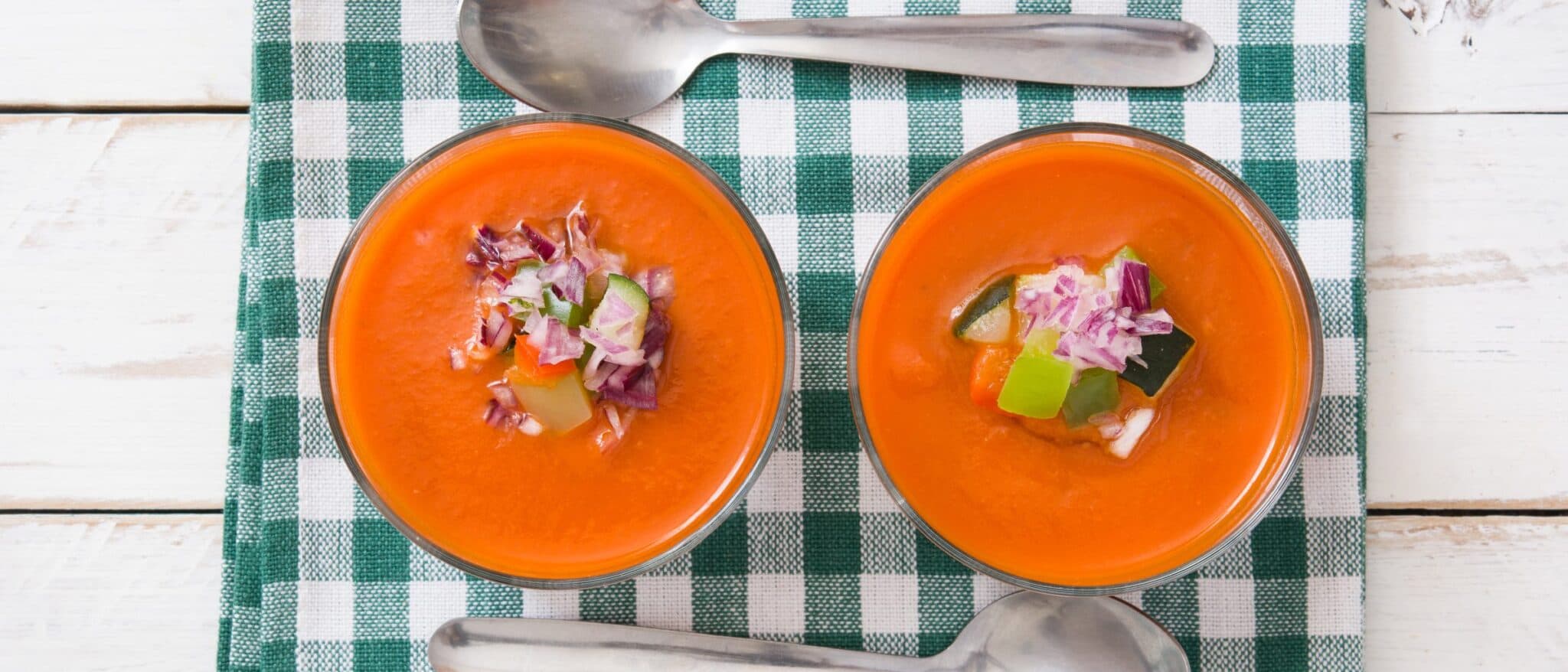
The Córdoba food guide starts with salmorejo — the city’s most distinctive dish, richer and more intensely flavoured than any gazpacho, topped with jamón and egg and served cold in a clay bowl.
Cordoba Food Guide: Key Planning Points
Córdoba’s cuisine is one of the most distinctive in Andalucia. It’s a city of Arab-influenced cold soups, deep-fried rolled meats, braised oxtail, and a wine region that most visitors have never heard of but immediately love. Here’s what to eat, where to find it, and what to avoid.
This cordoba food guide guide covers everything you need to know for your trip.
Use this cordoba food guide resource to plan each stage of your visit to Andalucia.
Our cordoba food guide page is updated for 2026 with the latest practical information.
The essential dishes
Salmorejo
Córdoba’s most famous dish and the one most misidentified by visitors. Salmorejo is not gazpacho — it’s richer, thicker, and more intensely flavoured. Made from ripe tomatoes, dense bread, garlic, olive oil, and sherry vinegar, blended until completely smooth and chilled. Served in a bowl or glass, topped with crumbled boiled egg and thin strips of jamón ibérico.
A good salmorejo should coat the back of a spoon. Watery, pale versions are a warning sign. The version at Taberna Salinas is the benchmark; the one at Bodegas Campos is the more theatrical presentation (served in a clay bowl with generous toppings).
Rabo de toro (braised oxtail)
A Córdoba institution — oxtail braised for hours in red wine, tomatoes, and spices until the meat collapses from the bone. It arrived as a post-bullfight tradition (the fighting bulls’ tails going to the restaurants of the Judería) and became a city staple. Now served everywhere, varying wildly in quality. The best versions are deep-coloured, intensely flavoured, and served with fried potatoes or bread.
Where to find it: Taberna Salinas, El Churrasco, and Mesón San Basilio are the three most reliable addresses.
Flamenquín
A Córdoba original and almost impossible to find elsewhere in Andalucia. A rolled piece of pork loin wrapped in jamón, coated in breadcrumbs, and deep-fried. Served in slices, the cross-section showing the spiral of pork and jamón. Rich, crisp, slightly excessive in the best way. Order a half-portion as a tapa if you want to save room for other dishes.
Berenjenas con miel de caña (fried aubergine with cane molasses)
Thin rounds of aubergine, battered and fried, drizzled with dark cane molasses (miel de caña — a treacly syrup from sugar cane, different from honey). The contrast between the bitter aubergine, the crisp batter, and the sweet molasses is one of those simple combinations that shouldn’t work as well as it does. A staple at almost every tapas bar in the city; the version at Taberna Salinas is particularly good.
Gazpacho de mandarina
A seasonal variation found at higher-end restaurants — the standard cold tomato soup made with mandarin oranges for a brighter, more citrus-forward flavour. Unexpected and usually excellent. Ask if it’s on the menu from November through February.
The wine: Montilla-Moriles
Most visitors to Córdoba don’t realise they’re drinking wine from one of Spain’s most distinctive regions. Montilla-Moriles is the DO (Denominación de Origen) south of Córdoba — a warm, dry area producing wines from the Pedro Ximénez grape.
The wines are similar to Jerez (sherry) but typically slightly lighter and, crucially, not fortified — the alcohol level reaches 15–17% naturally due to the heat. The main styles are:
Fino: Pale, dry, nutty, with a slight saline edge. The standard lunch wine in Córdoba, served chilled in small glasses. Order un fino de Montilla and you’ll get a proper local experience.
Amontillado: Aged further, darker, more complex, slightly oxidised notes. Good with rabo de toro.
Pedro Ximénez (PX): The sweet dessert wine — intensely dark, viscous, tasting of raisins and molasses. Poured over vanilla ice cream (PX con helado) is a standard Córdoba dessert.
The best place to understand the range: Bodegas Campos, which has its own bodega and wine shop attached to the restaurant.
Where to eat
Taberna Salinas
Category: Traditional taberna | Price: €€ | Best for: Classic Córdoba dishes, local atmosphere
The most complete traditional restaurant in the Judería area. Founded in 1879, the interior is a labyrinth of whitewashed rooms covered in azulejo tiles, bullfighting photographs, and hanging hams. Order the salmorejo, the berenjenas, the rabo de toro, and a jug of Montilla fino. One of the most authentic lunch experiences in the city.
Address: Calle Tundidores, 3 (Judería)
El Churrasco
Category: Traditional Córdoba cuisine | Price: €€€ | Best for: Rabo de toro, grilled meats, special occasion
The benchmark address for rabo de toro in Córdoba — the dish has been on the menu for decades and remains the standard against which all others are measured. A more formal setting than Salinas, with a beautiful covered courtyard. The grilled meats (churrasco) are also excellent.
Address: Calle Romero, 16 (Judería)
Bodegas Campos
Category: Traditional | Price: €€–€€€ | Best for: Wine selection, the full Córdoba experience
A sprawling restaurant-bodega complex occupying several connected old buildings south of the Mezquita. The wine list is the best in the city, with a comprehensive range of Montilla-Moriles wines by the glass. The food is solid without being exceptional — it’s the wine and the atmosphere that make it worth visiting.
Address: Calle Los Lineros, 32
Taberna El Potro
Category: Tapas bar | Price: € | Best for: Quick tapas, local wine bar atmosphere
Near the Plaza del Potro (the medieval market square), this old taberna has maintained the same format for decades — small marble counter, cold Montilla, simple tapas on the slate board. Exactly the kind of place that disappears from most European cities and survives in Córdoba.
Mercado Victoria
Category: Food market | Price: € | Best for: Lunch variety, trying multiple things
A covered food market near the Jardines de la Victoria with a good range of stands — jamón, seafood, local cheese, craft beer, international food. The best option if you’re with people who want different things, or if you want to graze rather than commit to a full sit-down meal.
Hours: Lunch and dinner daily; closes Monday in low season.
Patios and food in May
During the Fiesta de los Patios (first two weeks of May), many of the participating private houses and neighbourhood associations offer food and drink in their patios. This is not a formal dining situation — it’s usually a table in a flower-filled courtyard, wine poured from a barrel, and plates of jamón and cheese passing by. The most atmospheric way to eat in the city at any time of year, available only during the festival.
Practical eating notes
Lunch hours: Córdoba eats late. Restaurants open for lunch at 1.30–2pm and the kitchen is in full swing at 3pm. Arriving at 1pm (as many foreign visitors do) means either an empty room or an unprepared kitchen.
Tapa tradition: Unlike Granada, Córdoba does not offer free tapas with every drink. Tapas are ordered and paid for. Prices are reasonable — €2–€4 for a tapa portion.
Menu del día: Almost every restaurant offers a menú del día at lunch (typically €12–€16) — starter, main, dessert, wine, and water included. Excellent value, but only available at lunchtimes on weekdays.
Mezquita-area restaurants: The immediate vicinity of the Mezquita (particularly Calle Encarnación and the streets directly opposite the main entrance) is tourist-trap territory. Walk two streets in any direction into the Judería or south toward the river for significantly better quality and lower prices.
For the full Córdoba travel guide, see: Seville vs Córdoba: Which City Should You Visit?
Useful Resources
For official travel information about Andalucia, visit Córdoba — Spain Tourism.
Related reading: Seville to Córdoba day trip, Seville vs Córdoba.
The rest of the region on a plate: the flavours of Andalucía.