 Blog
BlogAttraction
Celebrating Virgen del Carmen 2025
The Queen of the Seas: Celebrating Virgen del Carmen 2025 in Andalucia The sun-drenched coastlines of Andalusia are preparing for celebrating Virgen del Carmen one of the most vibrant and deeply revered festivals of the year: the celebration of the Virgen del Carmen. Held annually on July 16th, this event transcends a mere religious observance;…
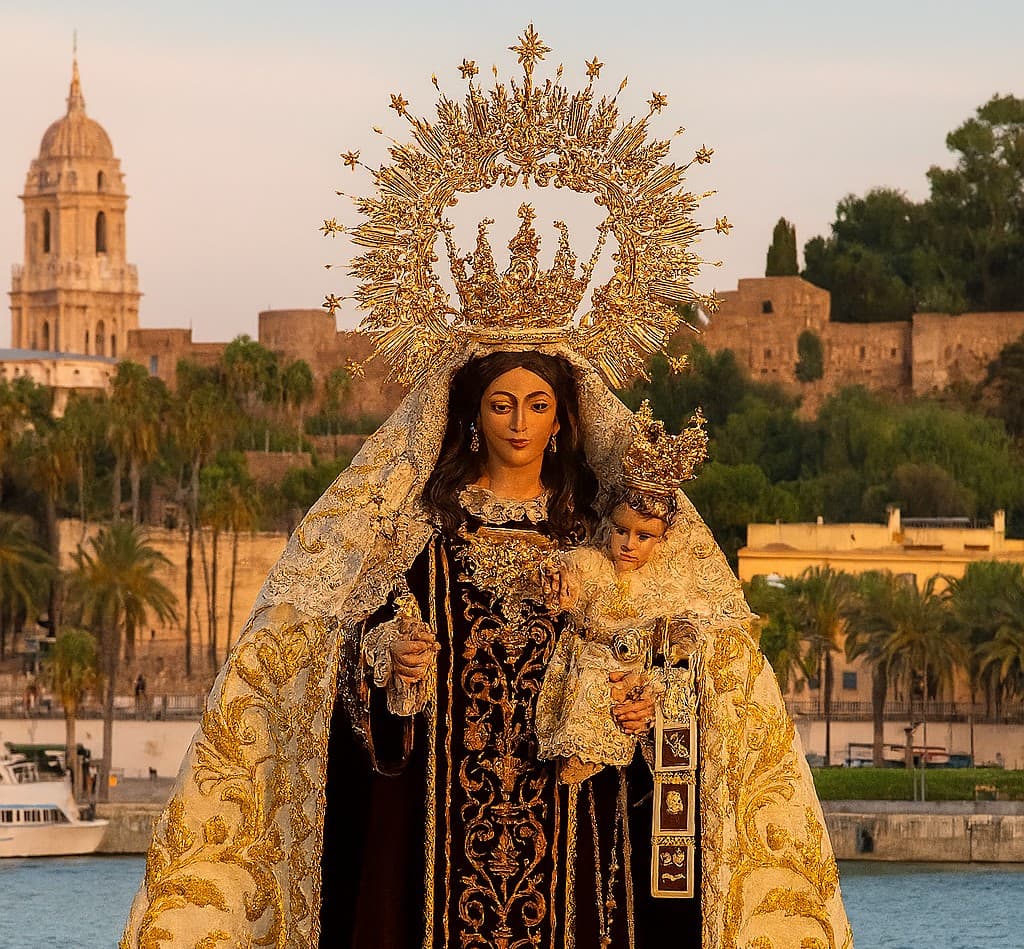
The Queen of the Seas: Celebrating Virgen del Carmen 2025 in Andalucia
The sun-drenched coastlines of Andalusia are preparing for celebrating Virgen del Carmen one of the most vibrant and deeply revered festivals of the year: the celebration of the Virgen del Carmen.
Held annually on July 16th, this event transcends a mere religious observance; it is a profound cultural homage to the sea and the people who depend on it. In 2025, coastal towns across Andalusia will once again erupt in color, devotion, and nautical spectacle as they honor the “Star of the Seas.”
This blog post serves as your comprehensive guide to experiencing the Virgen del Carmen festivities in Andalusia, highlighting the traditions, the emotional processions, and the best places to witness this extraordinary event in 2025.
Whether you are a seasoned traveler or a first-time visitor, the Fiesta de la Virgen del Carmen offers an unforgettable glimpse into the soul of Andalusian maritime culture.
The Heart of the Fiesta: July 16th, 2025 and Beyond
The Feast of Our Lady of Mount Carmel, or Virgen del Carmen, is celebrated globally on July 16th.
However, in Andalusia, particularly along the Costa del Sol, this date holds a special, almost mystical, significance. She is the patroness of seafarers, the protector of fishermen, and a beacon of hope for those who face the perils of the Mediterranean.
The celebrations are not confined to a single day. In many towns, the festivities span several days, beginning with local fairs, music, and preparatory masses leading up to the main event.
In 2025, as in every year, July 16th will be the pinnacle, marked by a unique blend of solemn reverence and joyous celebration.
Unlike the somber intensity of Semana Santa (Holy Week), the Virgen del Carmen festival is characterized by a festive atmosphere. It is a day when fishermen, locals, and tourists unite to pay tribute to the Virgin and the enduring relationship between the community and the sea.
The traditions center around a series of processions that are both visually stunning and deeply moving.
A Symphony of Land and Sea: The Unique Processions
The defining feature of the Virgen del Carmen celebrations is the dual procession: one by land and one by sea. This ritual symbolizes the Virgin’s blessing over the waters and her guardianship of the fishing communities.
The Terrestrial Procession: From Church to Shore
The day typically begins with masses and religious services. As the afternoon progresses, the statue of the Virgen del Carmen, often elaborately adorned with flowers, is removed from the local church or brotherhood house. The atmosphere shifts immediately as the procession begins.
Carried on the shoulders of “Marengos” (local fishermen) and members of religious brotherhoods, the statue is paraded through the streets. The procession is often accompanied by brass bands, echoing the rhythmic step of the bearers and the cheers of the crowds. The participants, often dressed in traditional attire—white shirts, black trousers, and red sashes—move with a respectful yet fervent energy.
The journey to the port or beach is a spectacle in itself. As the Virgen passes, onlookers frequently shower her with white flowers, a gesture of devotion. Spontaneous flamenco songs (saetas) and cries of “¡Guapa!” (Beautiful!) pierce the air, demonstrating the deep affection the community holds for their patron saint.
The Maritime Procession: The Blessing of the Waters
The climax of the festival occurs when the Virgen reaches the coast. This is where the celebration takes on its truly unique character. Hundreds of people often wade into the water, waiting for the statue to be transferred from land to a specially designated fishing boat, often a traditional jábega (a type of wooden fishing boat native to Malaga).
The Virgin is then taken out to sea, leading a magnificent flotilla of boats. This maritime procession is an incredible sight, with fishing boats, yachts, and smaller vessels adorned with lights and flags following in a trail. Boat horns sound in a celebratory chorus, and flares light up the sky.
This nautical journey is more than just a parade; it is a blessing. The Virgin is carried through the waters to honor the fishermen and remember those who have been lost at sea. In some locations, floral tributes are cast into the waves as a solemn offering. The return of the Virgen to the shore, often under the setting sun, is a moment of communal relief and profound spiritual connection.
Notable Celebrations Across the Andalusian Coast in 2025
While the Virgen del Carmen is celebrated in countless coastal towns, some locations in Andalusia are renowned for their particularly spectacular festivities.
Malaga City: El Palo, Pedregalejo, and Huelín
Malaga city is perhaps the epicenter of the Virgen del Carmen celebrations. The traditional fishing districts of El Palo, Pedregalejo, and Huelín host some of the most vibrant and emotionally charged events.
In El Palo, the celebration is legendary. The statue of the Virgin is carried down to the beach, where hundreds of Marengos enter the sea to receive her. The atmosphere is electric, culminating in a frenzied water fight as locals celebrate the Virgin’s entrance into the water.
Pedregalejo and Huelín also host significant maritime processions, drawing massive crowds to their respective beaches. The events here showcase the raw devotion of the city’s fishermen, making them essential viewing for anyone visiting Malaga in July 2025.
The Charm of the Costa del Sol: Marbella, Nerja, and Estepona
Further along the Costa del Sol, towns like Marbella, Nerja, and Estepona offer equally compelling experiences.
Marbella’s celebration seamlessly blends tradition with the town’s modern, glamorous image. The procession from the historic Old Town down to the fishing port of La Bajadilla is a major event, followed by a stunning maritime display involving a multitude of vessels, including those from the iconic Puerto Banús.
In Nerja, the celebrations often span several days, featuring local moragas (open-air parties with grilled sardines) and lively music. The procession on July 16th is a central part of the town’s summer agenda, culminating in the Virgin being carried to La Torrecilla beach and out to sea.
Estepona and Manilva also embrace the tradition, with their festivities honoring the deep-rooted fishing heritage of the region.
Deep-Rooted Tradition: The Significance of Virgen del Carmen
The significance of the Virgen del Carmen dates back centuries, rooted in the Carmelite Order and the legend of the scapular, a symbol of protection.
For fishermen and seafarers in Spain, she is Stella Maris (Star of the Sea), a guiding light through the storms.
Historically, coastal communities relied heavily on fishing, a profession fraught with danger.
The Virgen del Carmen became their ultimate protector, invoked for safety and a bountiful catch. The annual festival is a way for these communities to express gratitude and seek continued favor. The celebration reinforces the close-knit bonds of the fishing community and preserves a heritage that defines much of Andalusia’s coastal identity.
The festival is also a celebration of life and sustenance derived from the sea. It is a moment of communal solidarity, where local customs, faith, and the vibrant spirit of Andalusian fiesta merge into a unique cultural expression.
Planning Your Virgen del Carmen Experience in 2025
If you plan to experience the Virgen del Carmen in Andalusia in 2025, here are a few tips:
Timing: While the main celebrations are on July 16th, check local schedules in towns like Nerja or Malaga, as related events, fairs, and moragas may begin a few days prior.
Location: Malaga (El Palo, Pedregalejo) and the major coastal towns (Marbella, Nerja, Estepona) offer the most spectacular maritime processions.
Atmosphere: Expect crowds, especially near the ports and beaches during the maritime procession. The atmosphere is generally lively and family-friendly, but be prepared for a spirited crowd.
Dress Code: While the participants in the procession have traditional attire, visitors are encouraged to dress comfortably. If you plan to get close to the water during the maritime procession, especially in places like El Palo, be prepared to potentially get wet!
Conclusion: A Must-See Andalusian Spectacle
The Virgen del Carmen festival in Andalusia is more than just a religious holiday; it is a profound expression of cultural heritage, community spirit, and a tribute to the enduring relationship between the people and the sea.
In 2025, witnessing the Virgen del Carmen’s journey—carried from the land to the waves, surrounded by a celebratory flotilla—is an opportunity to experience the true heart of Andalusian coastal life. It is a spectacle of faith, color, and tradition that promises to be one of the highlights of the summer season. Don’t miss the chance to be part of this unforgettable Andalusian tradition.