 Travel
Cities
Seville vs Córdoba: Which City Should You Visit?
Seville vs Córdoba — an honest comparison to help you choose, or fit both into your Andalucia itinerary.

The Seville vs Córdoba comparison often resolves itself: they are 45 minutes apart by AVE, cheap enough to visit both, and different enough that seeing just one leaves the picture incomplete.
Seville Vs Cordoba: Key Planning Points
Seville and Córdoba are 140km apart and 45 minutes by AVE — close enough that the question of “which one” often becomes “how do I fit both in?” This guide helps you make that call.
This seville vs cordoba guide covers everything you need to know for your trip.
Use this seville vs cordoba resource to plan each stage of your visit to Andalucia.
Our seville vs cordoba page is updated for 2026 with the latest practical information.
The short version: Córdoba is the best day trip in Andalucia; Seville is the best city to base yourself for 2–3 nights. If you only have time for one, your choice depends on what you’re prioritising.
The headline attraction
Seville: The Alcázar (an active royal palace of extraordinary Mudéjar beauty), the Cathedral (the largest Gothic cathedral in the world), and the Giralda bell tower. Together they form the most concentrated collection of world-class monuments in Andalucia.
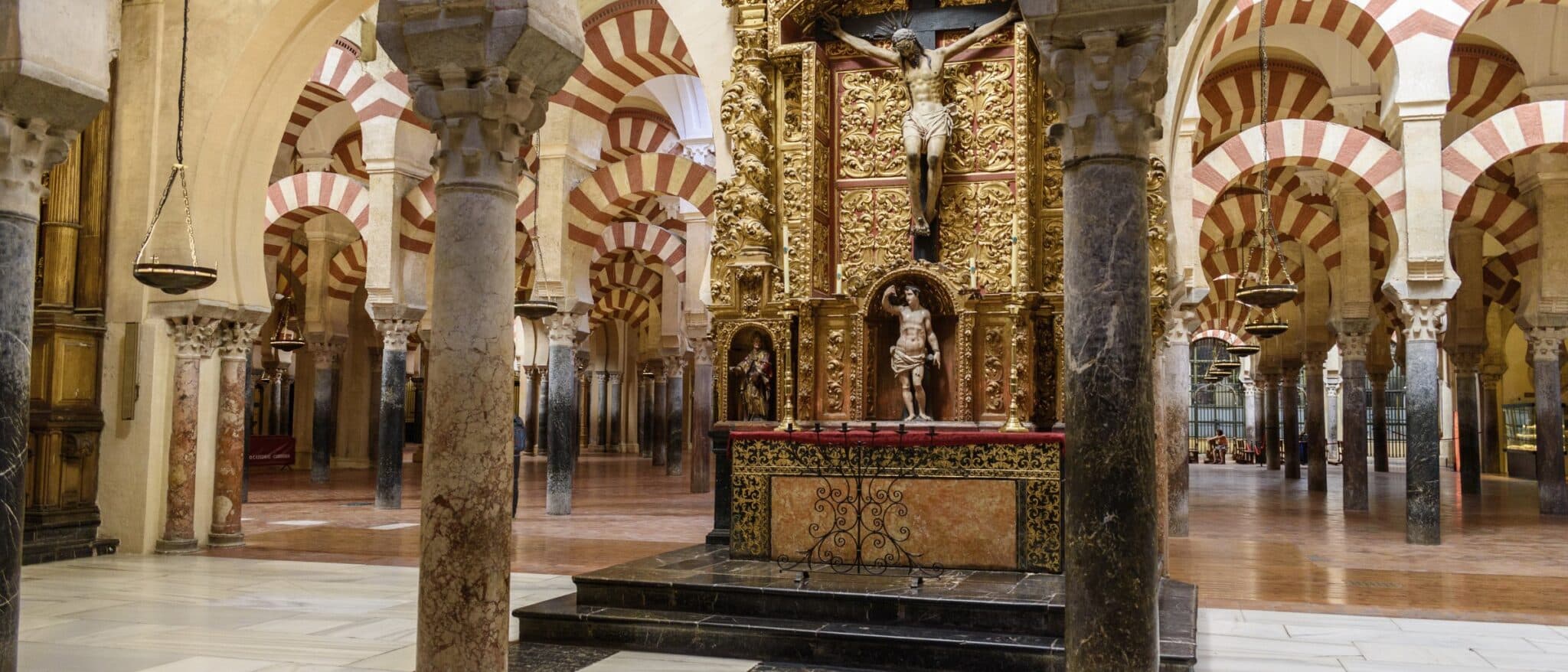
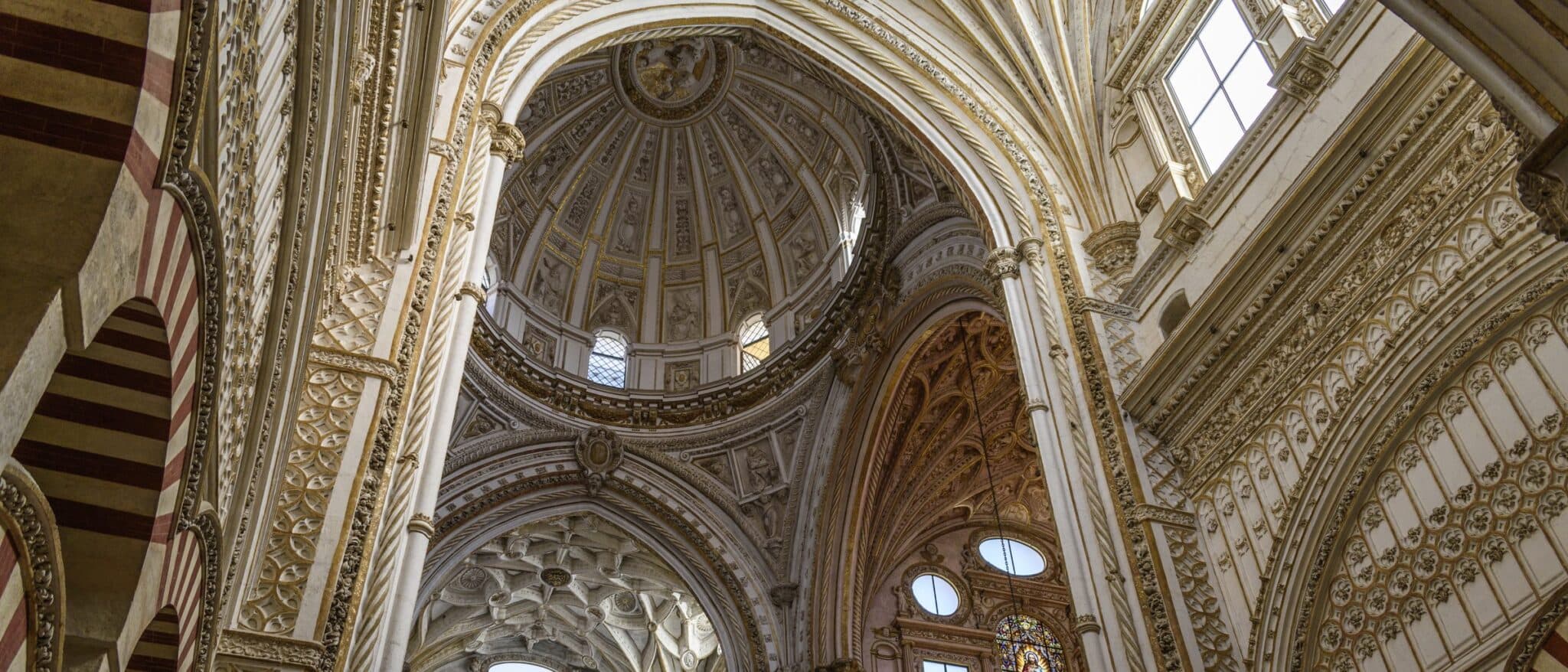
Córdoba: The Mezquita-Catedral — a 9th-century mosque with 856 red-and-white striped columns into which a 16th-century cathedral was inserted. There is nothing else like it in the world.
Verdict: This is the closest call on the list. The Alcázar genuinely surprises people — it’s less famous than the Alhambra but almost as extraordinary. The Mezquita is, architecturally, more unique — a singular building that could not have been made anywhere else or at any other time.
History and culture
Seville: The capital of the Moorish taifas, the base of the Spanish Reconquista, and the city through which all the gold of the Americas flowed for 200 years. The layers of history are visible in every neighbourhood — Moorish, Jewish, Christian, colonial. The Archivo de Indias (next to the Cathedral) holds the original contracts, letters, and maps of the entire Spanish colonial enterprise.
Córdoba: The capital of the Umayyad Caliphate of Córdoba (929–1031 CE) — at its peak, the largest city in Western Europe, a centre of learning, medicine, philosophy, and architecture that had no equal outside Baghdad and Constantinople. The Medina Azahara palace-city 8km west of the centre (10th century, partially excavated, UNESCO-listed) makes this history tangible. The city’s Jewish heritage is also extraordinary — the Judería and 14th-century synagogue are among the most significant in Spain.
Verdict: Córdoba has the richer singular historical narrative. Seville has the wider historical range.
Food
Seville: Outstanding tapas culture — tabernas with jamón, pescaíto frito, pringá, and an increasingly sophisticated modern restaurant scene. The Feria de Abril’s food culture (rebujito, gambas, standing at a caseta counter) is unique.
Córdoba: Distinct regional cuisine: salmorejo (the richer, thicker cold tomato soup), flamenquín (rolled and fried pork), rabo de toro (braised oxtail), the local vino de Montilla-Moriles (a wine region similar to sherry but lighter). The Fiesta de los Patios season (May) adds free food and wine in courtyard settings.
Verdict: Seville on variety and overall dining quality. Córdoba on distinctive regional flavour.
Atmosphere and scale
Seville: A real city — 700,000 people, a proper urban atmosphere, nightlife, shopping, universities, football culture (Betis and Sevilla FC). You could spend a week in Seville and not run out of things to do.
Córdoba: Compact and provincial — 325,000 people. The historic centre is small enough to walk end-to-end in 20 minutes. Calmer, quieter, less nightlife. Better for people who find Seville’s energy overwhelming.
Verdict: Seville for urban energy and variety. Córdoba for calm and focus.
Practicalities
Getting there: Both are on the Madrid–Seville–Córdoba AVE line. From Madrid: Seville 2h 30min, Córdoba 1h 45min.
Getting between them: 45 min by AVE, from €15. This is the argument for doing both — the journey is trivial.
Crowds: Seville is busier in absolute numbers. The Mezquita in Córdoba can be crowded during the morning peak (10am–1pm); much better before 9am (free entry) or after 3pm.
Cost: Córdoba is slightly cheaper than Seville for accommodation and restaurants.
Should you visit both?
Yes, if you have 6+ days in Andalucia. The standard approach: 2–3 nights in Seville with a day trip to Córdoba. The 45-minute AVE makes this completely painless — leave Seville at 8am, free entry to the Mezquita at 8.30am, full Córdoba day, back in Seville by 8pm.
If you only have 4 days: Base in Seville (2 nights), day trip to Córdoba, then Granada (overnight or day trip). Córdoba as a day trip from Seville is the single most efficient way to see both.
If you only have 2 days: Seville. It has more depth to reward the limited time and easier access to additional day trip options.
The honest recommendation
Visit both. The 45-minute train makes it the easiest combination in Andalucia. But if forced to choose: Seville for a 2–3 night base; Córdoba for the single finest monument in the region.
More comparisons
Useful Resources
For official travel information about Andalucia, visit Andalucia — Spain Tourism.
Related reading: Andalucia 7-day itinerary, Córdoba food guide.