 Travel
Blog
Discovering Andalucía: An Introduction
Nestled in the southern part of Spain, Andalucía is a region of contrasts and rich history. It is the birthplace of flamenco, a land where the legacy of the Moors blends seamlessly with the Roman and Phoenician heritage, creating a unique cultural tapestry. This article serves as an introduction to Andalucía, guiding you through its…
Nestled in the southern part of Spain, Andalucía is a region of contrasts and rich history. It is the birthplace of flamenco, a land where the legacy of the Moors blends seamlessly with the Roman and Phoenician heritage, creating a unique cultural tapestry. This article serves as an introduction to Andalucía, guiding you through its geography, historical significance, and the vibrant life that pulsates through its cities and towns.
Geography and Provinces
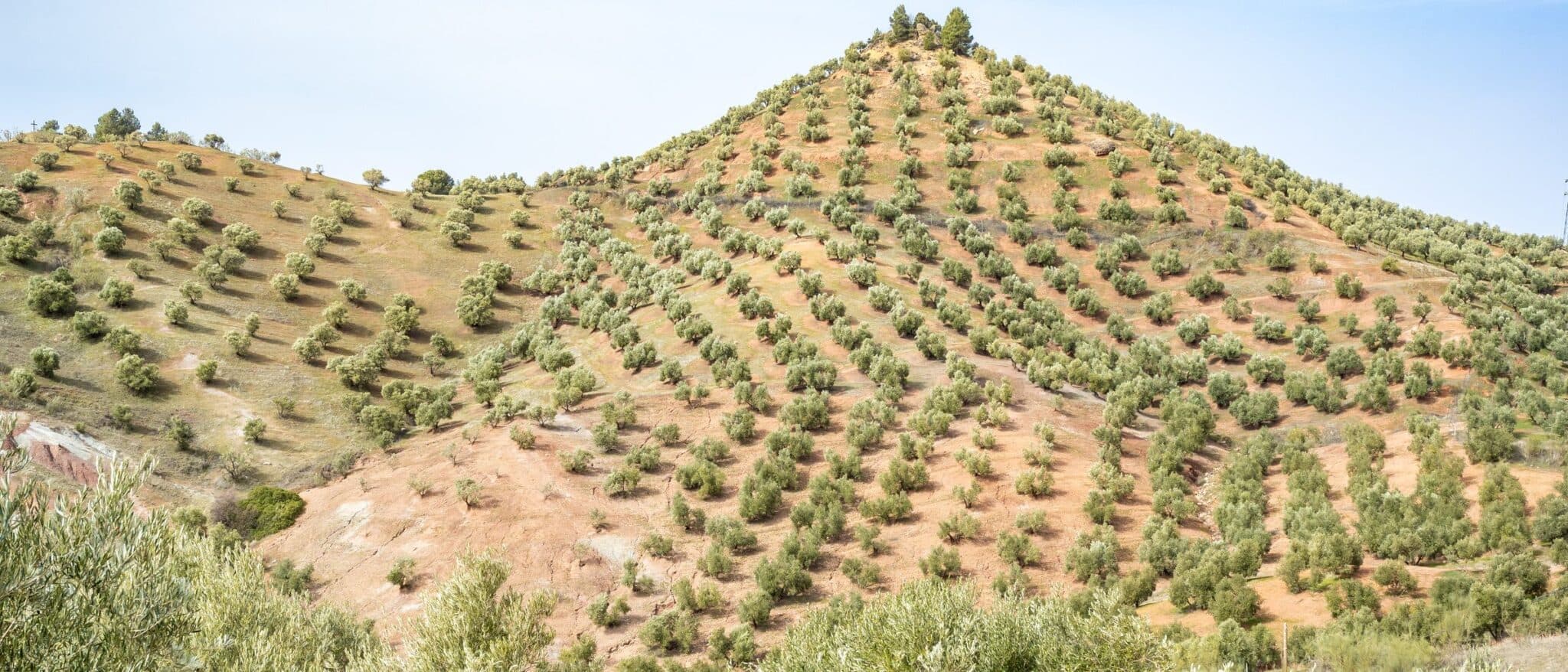
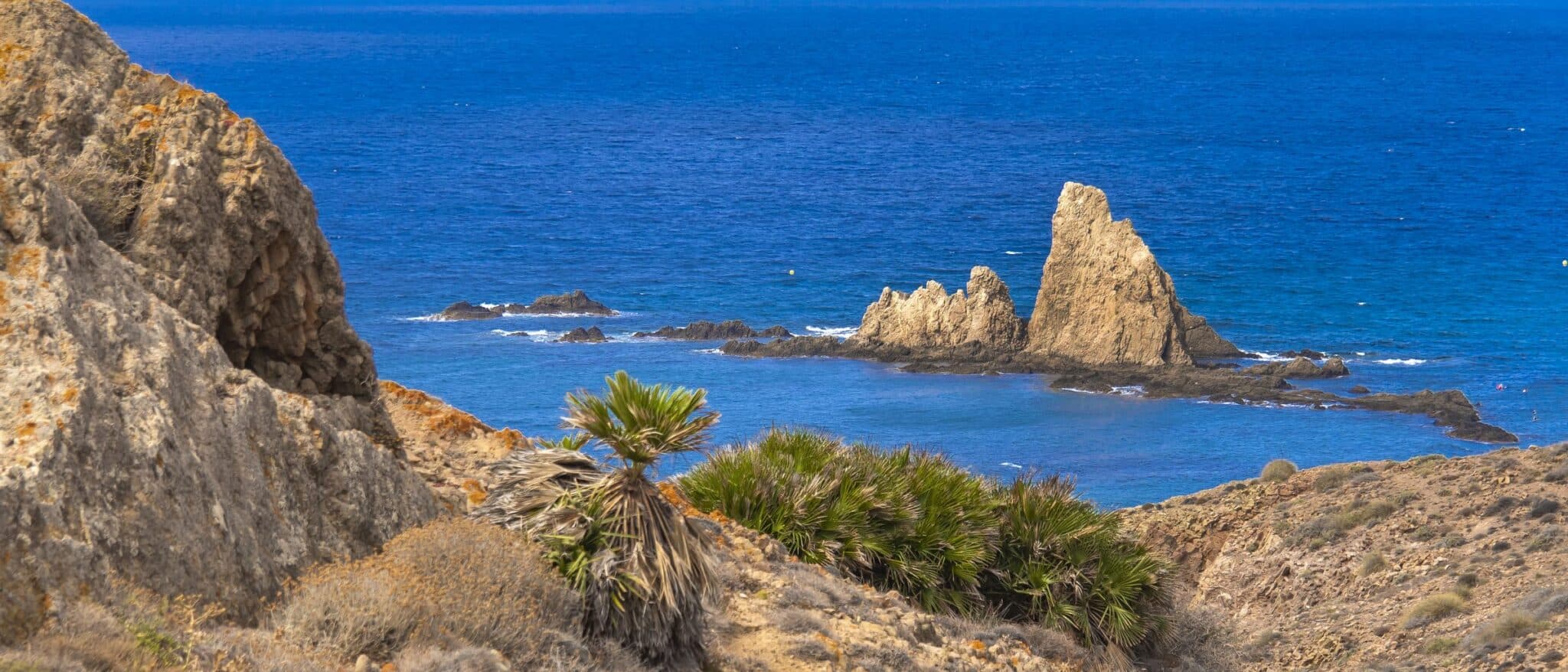
Andalucía is the southernmost region of Spain, comprising eight provinces: Huelva, Sevilla, Cádiz, Málaga, Córdoba, Jaén, Granada, and Almería. This region stretches from the Atlantic Ocean in the west to the Mediterranean Sea in the east, bordered by Extremadura and Castilla-La Mancha to the north and Murcia to the east. The diverse landscapes of Andalucía feature everything from lush valleys and rugged mountains to sprawling beaches and desert-like areas, offering a natural beauty that is as varied as its culture.
Historical Significance
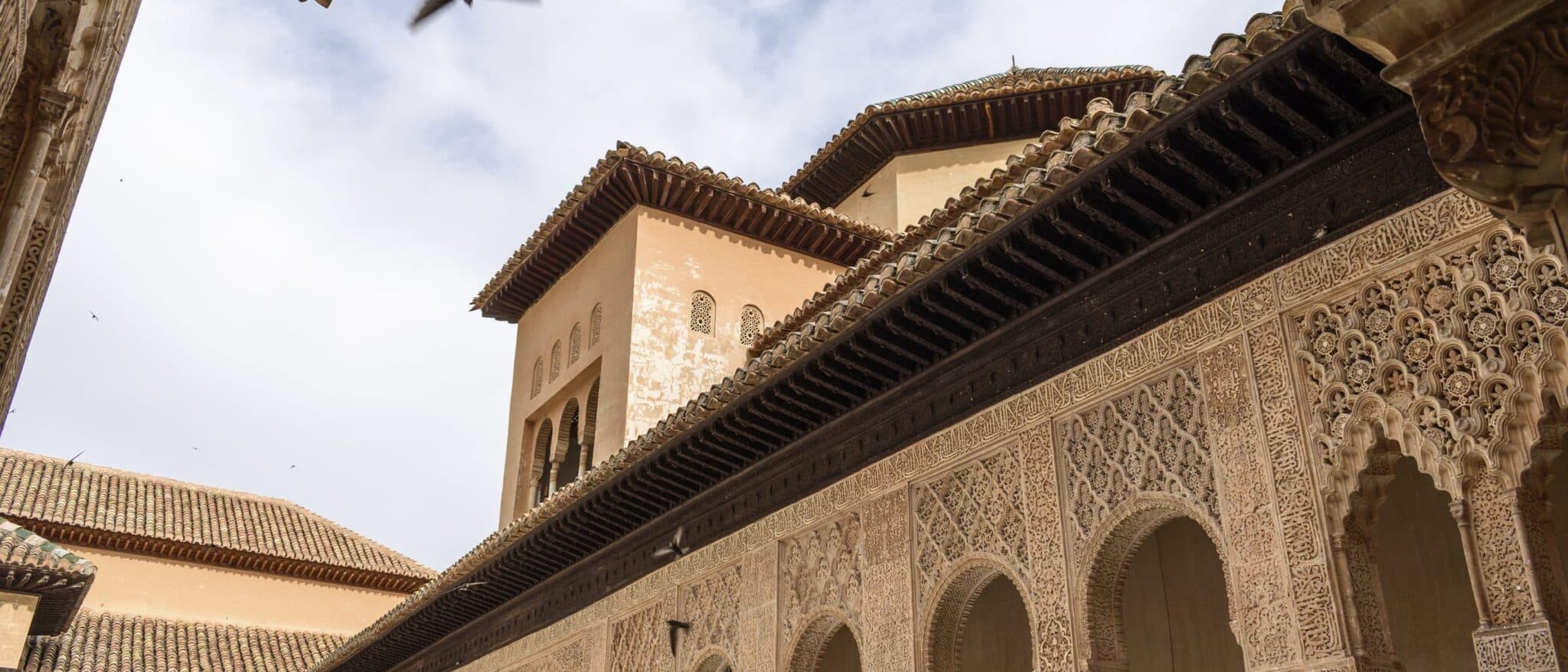
The history of Andalucía is a compelling narrative of conquests and cultural exchanges. It was under Moorish rule from the 8th to the 15th centuries, a period that left a lasting impact on its architecture, language, and traditions. The Alhambra in Granada, the Mezquita in Córdoba, and the Alcázar in Sevilla are just a few examples of the Islamic architecture that dots the landscape. Before the Moors, the Romans and Phoenicians had also left their mark on Andalucía, evident in the ancient ruins scattered across the region.
The Reconquista, the Christian reconquest of Spain, ended in Andalucía with the fall of Granada in 1492. This historic event marked the beginning of Spain as a unified country under Catholic monarchs Ferdinand and Isabella. Andalucía’s history is not just a tale of conquests; it’s a story of the blending of cultures, which has enriched its artistic, architectural, and culinary traditions.
Culture and Traditions
Andalucía’s culture is vibrant and expressive, with its most famous contribution to the world being flamenco. This passionate dance and music form originated here and is celebrated in festivals and tablaos (flamenco venues) across the region. Andalucían culture is also deeply influenced by its historical blend of Islamic, Jewish, and Christian traditions, which is reflected in its festivals, architecture, and arts.
The tradition of tapas, small dishes served with drinks, is said to have originated in Andalucía. This social eating and drinking culture is a staple of Andalucían life, where locals and visitors alike gather in bars and restaurants to enjoy a variety of dishes ranging from seafood to cured meats and cheeses.
Modern Andalucía
Today, Andalucía is a dynamic blend of the old and new. Its cities like Sevilla, Granada, and Málaga are bustling metropolises that celebrate their rich history while embracing modernity. Technology, renewable energy, and tourism drive the economy, yet the region’s traditions and historical landmarks are preserved with pride.
Andalucía’s natural beauty attracts visitors from all over the world. The Sierra Nevada offers skiing in the winter, while the Costa del Sol is renowned for its beautiful beaches and sunny climate year-round. The Doñana National Park, a UNESCO World Heritage site, is a haven for birdwatchers and nature lovers.
Conclusion
Andalucía is a region that captures the essence of Spain: its history, its cultural diversity, and its natural beauty. From the remnants of ancient civilizations to the rhythms of flamenco, Andalucía offers a journey through time and culture. Whether you are exploring its historic cities, enjoying its diverse landscapes, or indulging in its culinary delights, Andalucía promises an unforgettable experience that embodies the spirit of Spain.