 Travel
Blog
Practical Guide to Visiting Andalucía
Planning a trip to Andalucía involves more than just deciding on the places to visit; it requires an understanding of the best times to travel, how to navigate the region, where to stay, and how to immerse yourself in the local culture. This practical guide provides essential tips and insights for travelers looking to explore…
Planning a trip to Andalucía involves more than just deciding on the places to visit; it requires an understanding of the best times to travel, how to navigate the region, where to stay, and how to immerse yourself in the local culture. This practical guide provides essential tips and insights for travelers looking to explore the vibrant landscapes, rich history, and captivating traditions of Andalucía.
Best Time to Visit
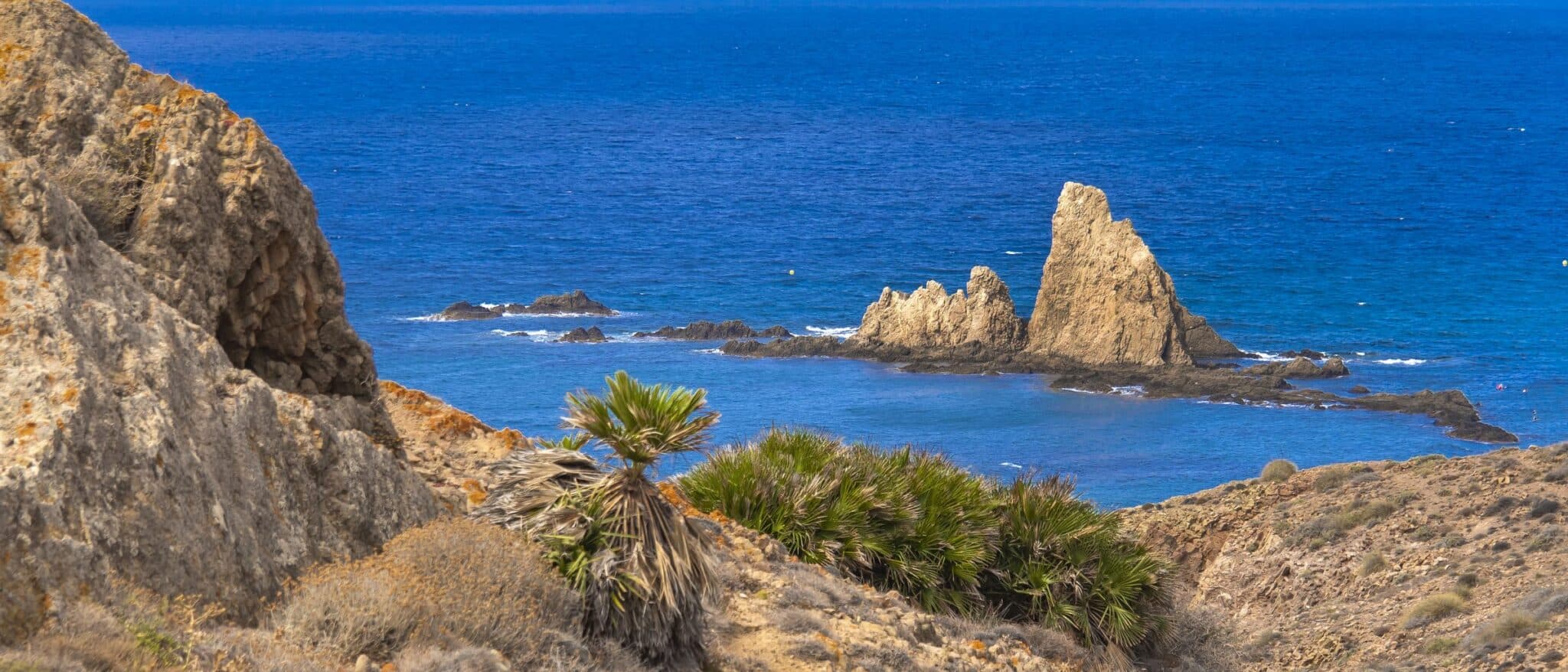
Andalucía enjoys a Mediterranean climate, characterized by hot, dry summers and mild winters. The best time to visit depends largely on your preferences and the activities you plan to engage in. For beachgoers, the summer months from June to August offer the ideal conditions for sunbathing and water sports, although this is also when the region sees the highest tourist traffic.
Spring (March to May) and autumn (September to November) are considered the best times to visit for those looking to explore the cultural sites and natural parks, as the weather is more moderate and the landscapes are at their most picturesque. These seasons also host many of Andalucía’s famous festivals, such as the Feria de Abril in Seville and the Semana Santa (Holy Week) processions, offering a unique glimpse into Andalucían culture.
Winter (December to February) is mild compared to much of Europe, making it a great time to explore the cities without the crowds. In the Sierra Nevada, winter months are perfect for skiing and snowboarding.
Getting Around
Andalucía is well connected by public transport, with an extensive network of trains and buses that make it easy to travel between major cities and towns. The high-speed AVE train service links cities like Seville, Córdoba, and Málaga with Madrid, making it convenient for visitors coming from the capital.
Renting a car offers the most flexibility for exploring the region’s diverse landscapes, particularly the rural areas and coastal regions less accessible by public transport. However, driving in the cities can be challenging due to narrow streets and limited parking, so it’s often best to use public transport or walk in urban centers.
Where to Stay
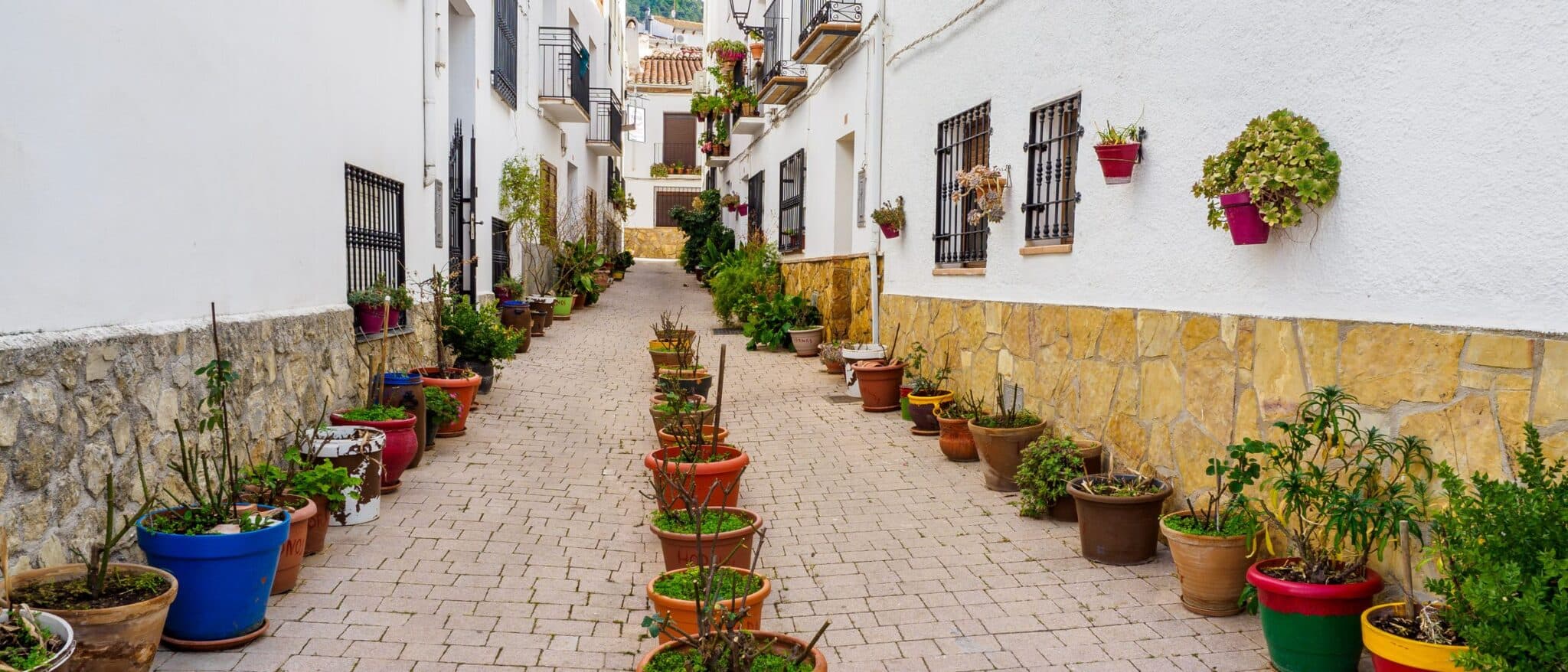
Accommodation options in Andalucía range from luxury resorts and historic paradores to charming guesthouses and budget-friendly hostels. In the cities, staying in the historic center can provide easy access to major attractions. For a more authentic experience, consider a stay in a rural casa rural (country house) or an apartment in one of the region’s picturesque white villages.
Local Cuisine and Dining
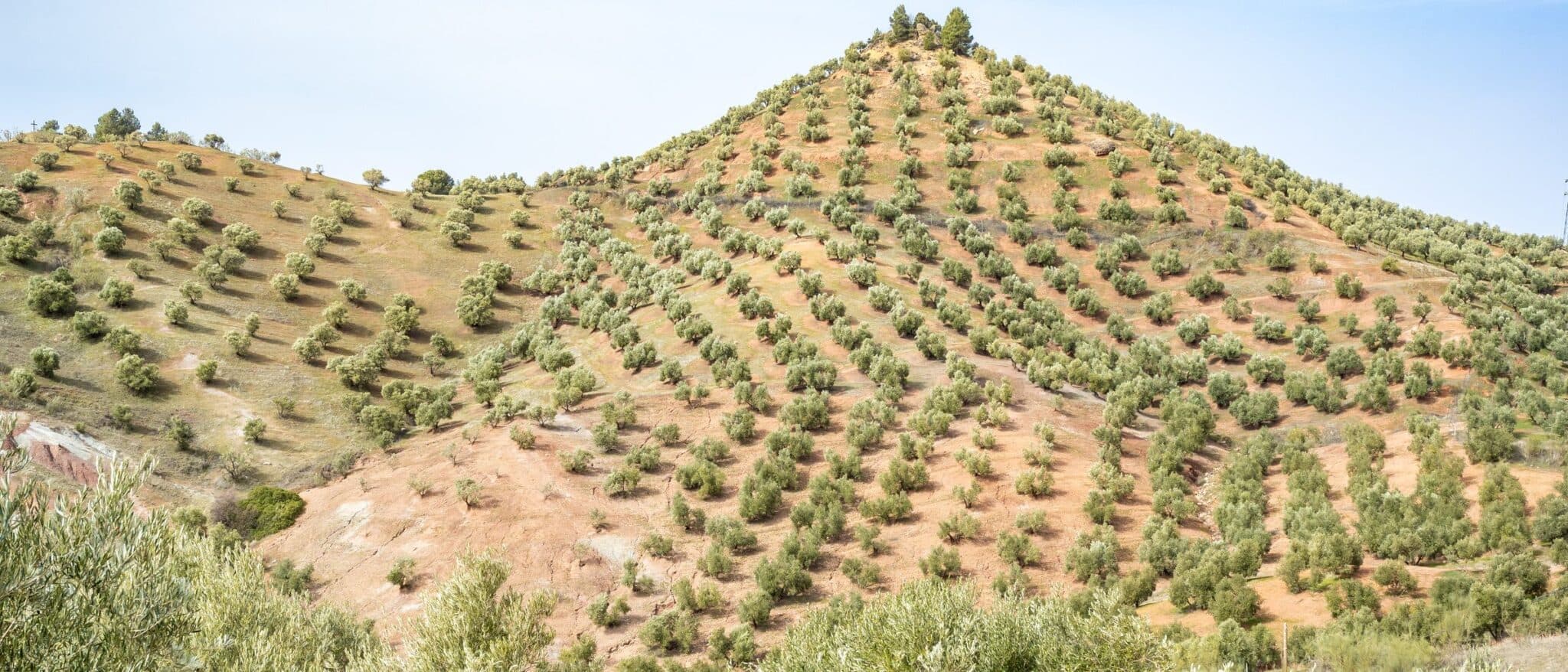
Andalucían cuisine is a highlight of any visit. Tapas bars are ubiquitous, offering the chance to sample a variety of local dishes in a social setting. Look for establishments filled with locals for the most authentic experience. Seafood is especially good along the coast, while the inland areas offer dishes based on Iberian pork, olives, and locally produced cheeses and wines.
Cultural Etiquette
Andalucíans are known for their warmth and hospitality, but respecting local customs will enhance your experience. Dining times are typically later than in many other places, with lunch around 2-4 pm and dinner not before 9 pm. Learning a few basic phrases in Spanish can go a long way in making connections with local people.
Conclusion
Andalucía is a region that rewards the informed traveler. By choosing the best time to visit, understanding how to get around, finding the right accommodation, indulging in the local cuisine, and respecting cultural norms, you can ensure a rich and enjoyable experience. Whether you’re drawn to its stunning landscapes, historic sites, or vibrant culture, Andalucía offers a wealth of experiences waiting to be discovered.