 Travel
Travel
Andalucia Travel Guide for First-Timers (2026)
Which cities to prioritise, when to come, how to move between them, and the one thing to book before anything else. An honest overview for a first trip to Andalucía.
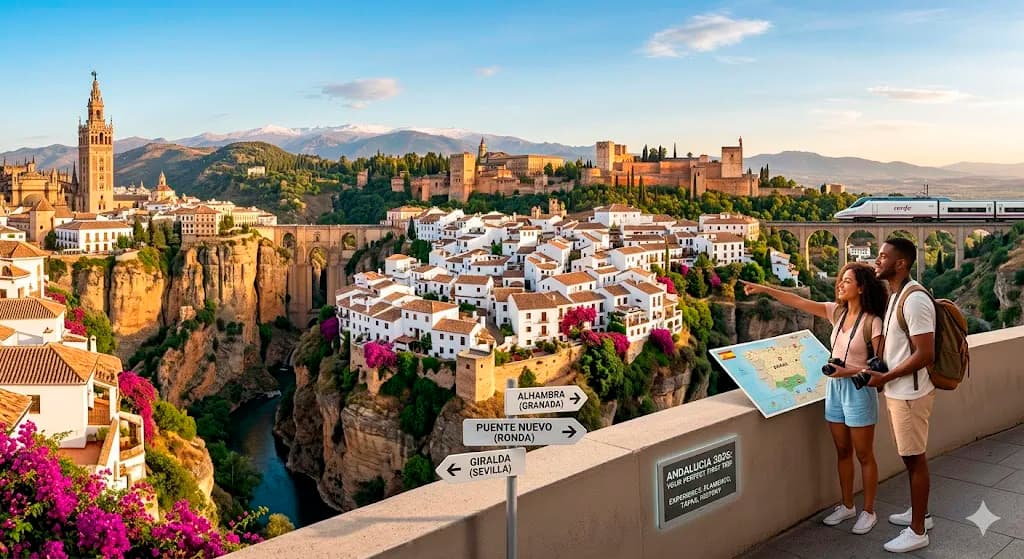
This guide is for people who have not been to Andalucía yet. It covers the decisions that actually shape a first trip: which cities to prioritise, when to come, how to move between them, and the handful of things that have to be booked long before you arrive.
Start here
Andalucía is eight provinces and about the size of Portugal, so the first job is narrowing it down. Most first trips are built from these:
- The eight provinces compared — if you have no fixed idea yet
- Four decisions, in this order — province, month, car, and what sells out
- Which city to base yourself in
- A 7-day itinerary or 10 days if you would rather start from a route
One thing to do before anything else: if Granada is on your list, book the Alhambra. It is the single most common way a first Andalucía trip goes wrong. See how to book Alhambra tickets.
What is Andalucia?
Andalucia is the southernmost region of mainland Spain — eight provinces (Almería, Cádiz, Córdoba, Granada, Huelva, Jaén, Málaga, and Seville) covering an area roughly the size of Portugal. It’s the most populous region in Spain (8.5 million people) and the most visited.
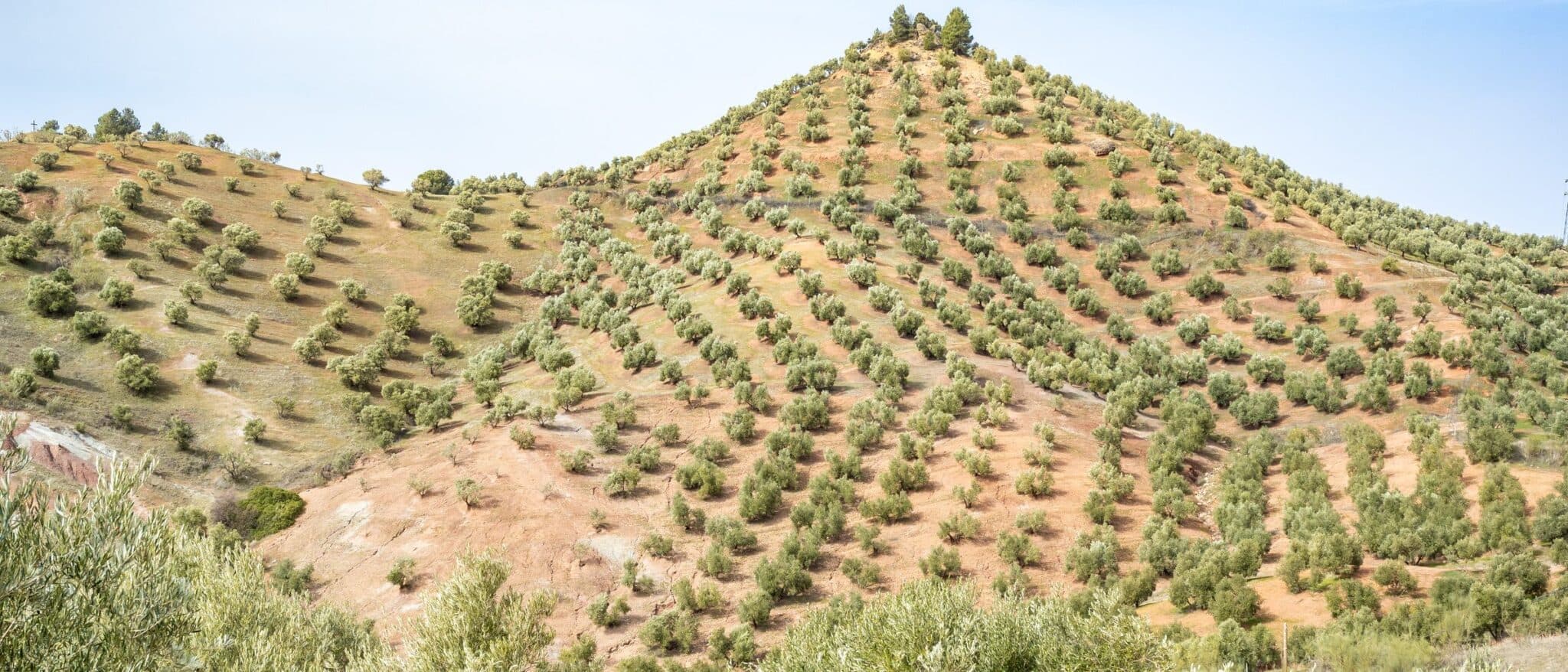
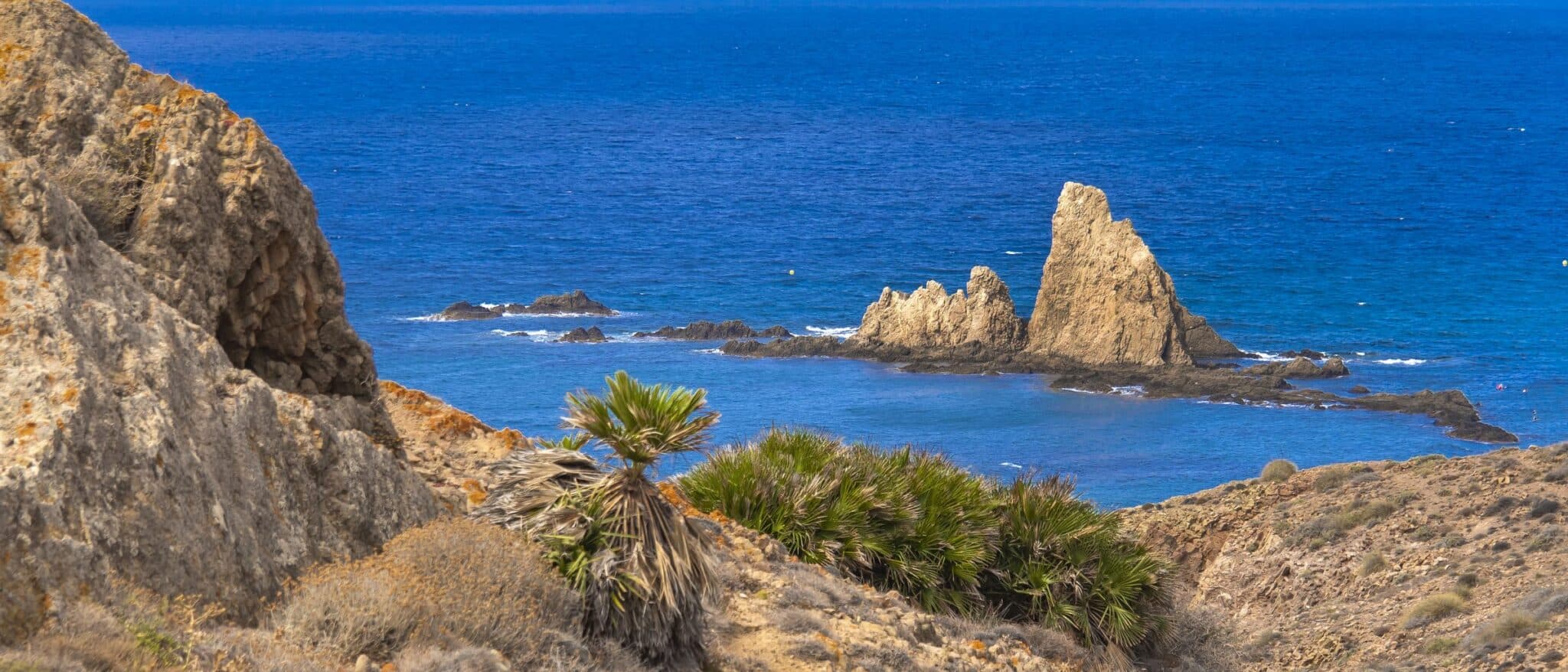
The region spans two coastlines (the Atlantic and the Mediterranean), three mountain ranges (the Sierra Nevada, the Sierra de Grazalema, and the Sierra de Cazorla), Europe’s only desert (Tabernas, near Almería), and some of the most significant Islamic architecture in the world.
For most first-timers, Andalucia means the Golden Triangle: Seville, Granada, and Córdoba — three cities within 2–3 hours of each other that contain more UNESCO World Heritage Sites per square kilometre than almost anywhere in Europe.
How to get to Andalucia
Flying
Seville (SVQ) and Málaga (AGP) are the main international airports. Málaga is the busier hub, with direct flights from most European cities year-round. Seville has excellent European connections but slightly fewer routes. Granada (GRX) is a small regional airport with limited direct international flights.
For visitors from North America, the most common routing is via Madrid (MAD) — 2h 30min from Madrid to Seville by AVE, or 2h 15min to Málaga.
Which airport to fly into: Málaga for a coastal-first trip or if you’re starting in the south. Seville for a classic Seville-first route.
By train from Madrid
The AVE high-speed train from Madrid to Seville takes 2h 30min (from €25–€80, book at renfe.com). From Madrid to Málaga: 2h 15min. From Madrid to Granada: 3h (with change at Antequera). All comfortable, frequent, and far faster than driving.
By train from Barcelona
Barcelona to Seville: 5h 30min by AVE via Madrid. Barcelona to Málaga: similar timing. Comfortable for an overnight departure.
When to go
Best overall: May or October — comfortable temperatures (22–28°C), manageable crowds, full access to all sights.
Best for festivals: April (Semana Santa + Feria de Abril in Seville, see the fiestas and events calendar) — plan 6–12 months ahead.
Best for budget: January or November — lowest prices, quietest crowds, Alhambra tickets obtainable same-week.
Avoid (for city sightseeing): July–August in Seville and Córdoba — 42°C is real.
For the full picture, see our Best Time to Visit Andalucia guide.
Where to go: the essential first-timer highlights
Seville
Spain’s fourth-largest city and arguably its most beautiful. The Alcázar (a working royal palace with extraordinary Mudéjar rooms and gardens), the Cathedral and Giralda tower (Gothic, enormous, Columbus’s tomb), the Barrio Santa Cruz (the old Jewish quarter), and Triana (the flamenco district across the river) fill at least two full days.
Seville is also the best city for flamenco — both in depth of tradition and quality of live performances.
Córdoba
The most surprising city in Andalucia for first-timers. The Mezquita-Catedral — a 9th-century mosque into which a Renaissance cathedral was inserted in the 16th century — is architecturally extraordinary. The surrounding Judería (Jewish quarter) is beautiful, and in May the Fiesta de los Patios transforms the neighbourhood. See our Córdoba travel guide and the guide to the Mezquita. Córdoba works brilliantly as a day trip from Seville (45 min by AVE).
Granada
Home to the Alhambra — the most visited monument in Spain, and the finest surviving example of Moorish architecture. Beyond the Alhambra, Granada’s Albaicín neighbourhood (a UNESCO-listed Moorish quarter) is one of the most atmospheric urban spaces in Europe. The city also has the best food-and-drink deal in Spain: the tapa libre tradition means every drink comes with a free tapa. More in our Granada travel guide and the best tapas in Granada.
Ronda
The most dramatic of the pueblos blancos (white villages), built across a 120-metre gorge (see the Ronda travel guide and the Puente Nuevo). Reachable by train from Málaga or Granada, or by car as part of the white village circuit. Half a day minimum; an overnight stay reveals the town after the day-trippers leave.
Málaga
The gateway for most international visitors, and often overlooked as a city in its own right. The Picasso Museum, the Moorish Alcazaba, the covered market, and the seafood (particularly the espetos — grilled sardines on a stick served at beach restaurants) all reward a full day.
How to get around
Between cities: trains are the best option for the main hubs. The AVE high-speed network is comfortable, fast, and competitively priced when booked in advance.
White villages and rural areas: a rental car is needed. The white village circuit (Ronda, Grazalema, Zahara, Setenil) cannot be done efficiently by public transport, and driving in Andalucía is worth reading first.
Within cities: walk. Seville, Granada, Córdoba, and Málaga’s historic centres are compact and far better explored on foot than by taxi or bus.
Taxis and rideshare: Bolt and Cabify operate in the major cities and are cheaper than traditional taxis. Useful for late nights or airport transfers.
For the full breakdown, see our Andalucia Without a Car Itinerary and our Andalucia Road Trip Itinerary.
Where to stay
Seville
- Best area for first-timers: Barrio Santa Cruz or Alfalfa — walking distance to everything
- Best splurge: Hotel Mercer Sevilla, Hotel Alfonso XIII
- Best mid-range: Petit Palace Santa Cruz, Hotel Alminar
- Best budget: La Banda Rooftop Hostel (Triana), Oasis Backpackers
Granada
- Best area: Albaicín (atmospheric, hilly) or Realejo (quieter, good tapas access)
- Best splurge: Parador de Granada (inside the Alhambra grounds), Hospes Palacio de los Patos
- Best mid-range: Casa 1800 Granada, Hotel Zaguan del Darro
Málaga
- Best area: Soho / historic centre or La Malagueta (beachfront)
- Best mid-range: Room Mate Valeria, Hotel Molina Lario
How much does Andalucia cost?
Budget traveller (hostels, supermarket lunches, free sights)
€60–€80/day per person
Mid-range (3-star hotels, restaurant lunches, paid attractions)
€120–€160/day per person
Comfort (4-star hotels, nice dinners, car hire)
€200–€300/day per person
Key costs to know
| Item | Cost |
|---|---|
| Alhambra General ticket | €19.09 |
| Seville Alcázar | €15 |
| Seville Cathedral | €15 |
| Córdoba Mezquita | €13 (free 8.30–9.30am Mon–Sat) |
| Flamenco show (Casa de la Memoria) | €22 |
| Menú del día (3-course lunch) | €13–€18 |
| Café cortado | €1.20–€1.60 |
| Beer at a bar | €1.50–€2.50 |
Food and drink: what to eat
Andalucia has a distinctive regional cuisine quite different from the rest of Spain:
Tapas culture — in Seville, you pay for tapas alongside drinks. In Granada, many traditional bars give tapas free with every drink. Always eat at the bar if you can — cheaper and more authentic than table service.
Key dishes:
– Gazpacho — cold tomato soup, Andalucia’s great summer dish
– Salmorejo — Córdoba’s thicker, richer version of gazpacho
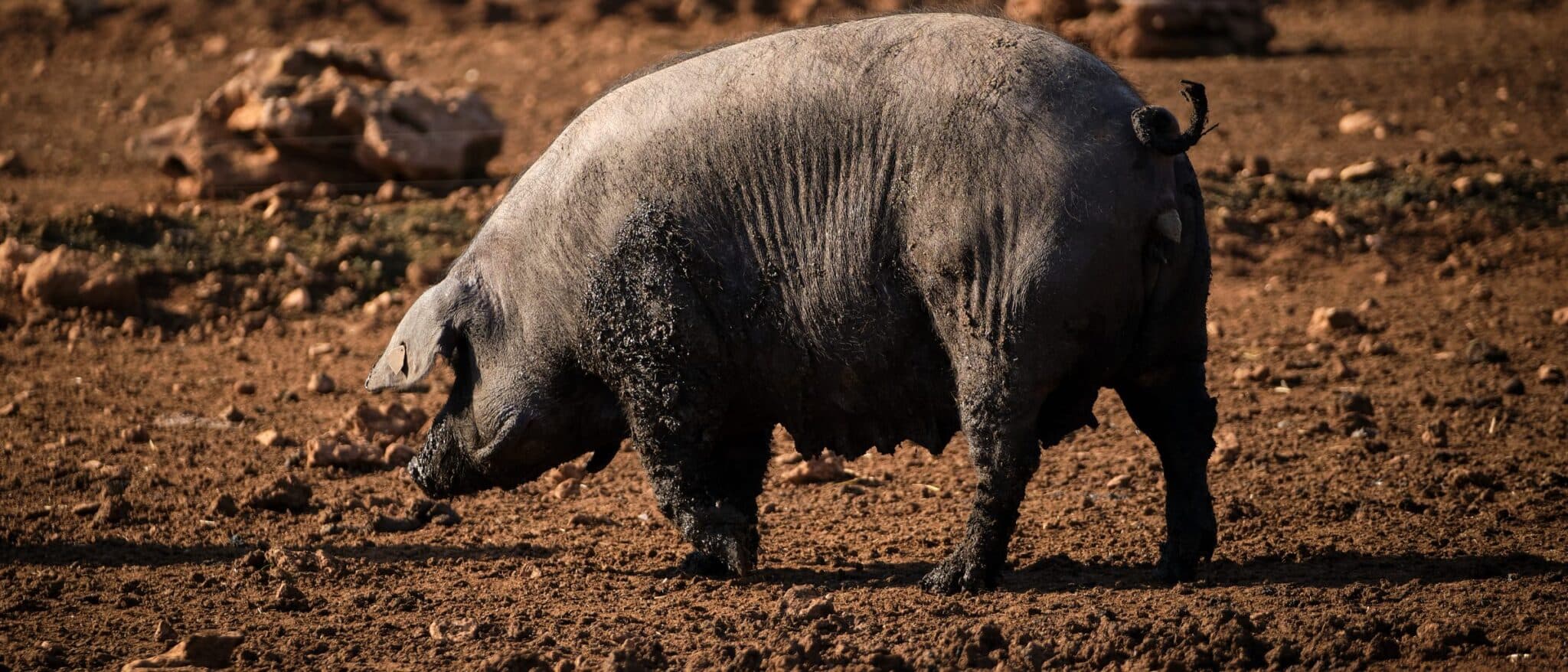
– Jamón ibérico — the cured ham from Huelva and Jaén’s black Iberian pigs is the finest in Spain
– Pescaíto frito — mixed fried fish, a Cádiz and Málaga speciality
– Espetos — grilled sardines on bamboo skewers, cooked over driftwood fires on Málaga beaches
– Berenjenas con miel — fried aubergine with sugarcane molasses (Granada)
– Flamenquín — rolled and fried pork fillet (Córdoba)
Sherry — don’t leave without trying fino, manzanilla, or amontillado from the source. The Sherry Triangle (Jerez, Sanlúcar, El Puerto de Santa María) is 1h from Seville, in Cádiz province.
Language
Spanish (Castilian) is spoken everywhere. Andalusian Spanish has a distinctive accent — letters get dropped, endings run together, and the pronunciation of ‘c’ and ‘z’ sounds like ‘s’ rather than the Castilian ‘th’. Don’t worry: you’ll understand, and locals will understand you.
Useful phrases:
– Una caña, por favor — a small beer, please
– La cuenta, por favor — the bill, please
– ¿Dónde está…? — where is…?
– ¿Habla inglés? — do you speak English?
English is spoken at most hotels, tourist sights, and restaurants in the main cities. In smaller villages, Spanish is helpful.
Essential practical tips
Book the Alhambra first. Before you plan anything else — go to tickets.alhambra-patronato.es and book your Nasrid Palaces slot. Everything else in Andalucia can be done on the day; the Alhambra cannot.
Eat on local time. Lunch is 2–4pm; dinner is 9–11pm. Restaurants before these hours serve tourists only. Eating with locals at 9.30pm is a completely different (and better) experience.
Cash and cards. Cards are accepted almost everywhere now, including small tapas bars. Keep €50 in cash for the occasional market, parking machine, or rural accommodation.
Siesta hours are real. Many smaller shops and some restaurants close 2–5pm. Don’t plan shopping or non-tourist-area exploration during these hours in the smaller cities.
Dress codes are relaxed. Andalucia is informal. The only places requiring covered shoulders are the cathedrals and Mezquita — a light scarf or jacket in your bag handles this.
Sun protection. The Andalusian sun is intense from April through October. Sunscreen, a hat, and a reusable water bottle (public fountains are everywhere and the water is excellent) are essential kit.
First-timer mistakes to avoid
- Not booking the Alhambra in advance — the most common and most painful mistake
- Visiting Seville and Córdoba in July or August without an early start strategy
- Underestimating walking distances — the cities look small on a map; the cobblestones add up
- Eating dinner before 9pm — you’ll be eating alone and paying tourist-trap prices
- Ignoring Córdoba in favour of a third day in Seville — Córdoba’s Mezquita is worth the 45-minute train
Your first Andalucia itinerary
The classic first-timer route is 7–10 days covering Seville, Córdoba (day trip), Granada, Ronda, and Málaga. For the full day-by-day plan, see our:
- 7-Day Andalucia Itinerary
- 10-Day Andalucia Itinerary
- Andalucia Without a Car Itinerary (if you prefer trains)
Useful Resources
For official travel information about Andalucia, visit Andalucia — Spain Tourism.
Related reading: Andalucia 7-day itinerary, best time to visit Andalucia.
Where to go next
This guide is deliberately broad. Each of these goes properly into one part of it:
- Deciding where — the eight provinces, Granada, Córdoba, Ronda, Málaga
- Deciding when — when to visit, climate month by month, fiestas and events
- Getting around — transport overview, trains, buses and coaches, airport transfers, renting a car, or doing it without one
- What to do — things to do, hiking routes, the Caminito del Rey, Andalusian food
- Before you pack — what to pack, practical travel tips