 Travel
Travel
Best Time to Visit Andalucia 2026 (Month-by-Month Guide)
When is the best time to visit Andalucia? Full month-by-month breakdown of weather, crowds, prices, and festivals — so you can pick the perfect window for your trip.
The best time to visit Andalucia depends on what you’re looking for — spring and autumn offer the most balanced conditions, but each month has its own case to make.
Best Time to Visit Andalucia 2026
Ask ten different travellers when best time to visit Andalucia and you’ll get ten different answers — because the right answer genuinely depends on what kind of trip you want.
This best time to visit andalucia guide covers everything you need to know for your trip.
Beach holiday? Summer, but brace yourself for the heat. Alhambra without a four-month booking window? November. Seville at its most ravishingly alive? April — but budget accordingly. Lonely mountain villages and crisp olive-harvest air? October, hands down.
This guide gives you the honest picture: weather numbers, crowd levels, price curves, and the festivals that can make or break a particular week. Read through once and you’ll know exactly which month fits your trip.
Andalucia’s climate at a glance
Andalucia is the southernmost region of mainland Spain and shares borders with both the Atlantic and the Mediterranean. That geography creates a climate that’s broadly hot and dry — but with meaningful variation depending on the month and the province.
A few useful generalisations:
- Seville and Córdoba are the hottest inland cities in Western Europe during summer. 42°C in July is not unusual.
- The coast (Málaga, Almería, Cádiz) runs 5–8°C cooler than the inland cities in summer and notably milder in winter.
- The mountains (Sierra Nevada, Grazalema, Cazorla) run significantly cooler than the lowlands year-round, and receive snow in winter.
- Spring and autumn are reliably mild almost everywhere.
There is no bad month to visit Andalucia — but there are better and worse matches for different styles of travel.
Month-by-month breakdown
January
Weather: Cool and mostly dry. Daytime highs around 14–17°C in Seville and Málaga; colder (6–10°C) in Granada and the mountain towns. Occasional rain, especially in the western provinces (Cádiz, Huelva). Snow in the Sierra Nevada most years.
Crowds: Rock bottom. The major sights are as quiet as they ever get. The Alhambra offers same-week (sometimes same-day) ticket availability — a genuine rarity.
Prices: Lowest of the year. Hotels and flights are typically 30–50% cheaper than peak spring rates.
What’s on: The ski season at Sierra Nevada is in full swing — Andalucia’s ski resort sits at 3,000m+ and usually runs from late November to April. Granada is the logical base.
Who it suits: Budget travellers who prioritise cultural sightseeing over outdoor dining. Photographers who love moody light and empty streets. Skiers who want to pair Sierra Nevada with a city break in Granada.
Drawback: Some tourist-facing restaurants and shops operate reduced hours or close entirely. Outdoor terrace culture — a big part of the Andalucia experience — is limited.
February
Weather: Similar to January, with slightly longer days. Almond trees begin to blossom in Almería and Málaga provinces from mid-February — genuinely beautiful and a bit of a secret.
Crowds: Still very low. A good shoulder-season sweet spot.
Prices: Still low, though they begin to creep up near Semana Santa if Easter falls in March.
What’s on: Carnaval — Cádiz hosts the most famous Carnaval in Spain (rivalling even Río among locals), typically in February or early March. The city essentially shuts down for two weeks of satirical parades, costumes, and street performances. It’s free, chaotic, and extraordinary.
Who it suits: Anyone who wants warmth relative to Northern Europe, low prices, and a cultural experience (Cádiz Carnaval) that most international tourists completely miss.
March
Weather: Spring begins in earnest. Daytime highs climb to 18–22°C by late March. Wildflower season starts in the countryside. Still cool in the evenings.
Crowds: Rising fast if Semana Santa falls in March or early April. Otherwise, still manageable.
What’s on: Semana Santa (Holy Week) — if Easter falls in March, this transforms every Andalusian city into one of the world’s great processional spectacles. Seville’s Semana Santa is the most famous: ornate floats (pasos) carrying religious figures are carried through narrow streets by hooded brotherhoods (cofradías) to the haunting sound of saetas (flamenco prayers). Granada, Málaga, and Córdoba each have their own extraordinary versions.
Book 6+ months ahead if you want to be there for Semana Santa. Accommodation doubles or triples in price, and the cities are packed — but it’s one of the most genuinely moving cultural events in Europe.
Who it suits: First-timers who want to catch the region at the beginning of its beautiful season; Semana Santa pilgrims; people who prefer spring wildflowers to summer heat.
April
Weather: The beginning of Andalucia’s golden window. Daytime highs of 20–26°C in the lowlands, cooler in the mountains. Evenings still require a light layer. Wildflowers peak in the Grazalema Natural Park and around Ronda.
Crowds: High and rising. Semana Santa (if in April) brings the busiest week of the year. Post-Easter, a brief lull — then the Feria de Abril in Seville arrives (two weeks after Easter) and the city fills again.
Prices: High. April is consistently among the most expensive months for Andalucia travel.
What’s on: Feria de Abril — Seville’s spring fair is the city’s most beloved event: a week-long street party of flamenco dresses, horse-drawn carriages, rebujito (sherry and lemonade), and sevillanas dancing in casetas (tented pavilions). Some casetas are private (members only), but the public spaces are fully open — and the spectacle of 3,000 women in traditional dress dancing in the afternoon sun is unlike anything else in Spain.
Who it suits: People who have time to plan well ahead, budget for high-season prices, and want to see Andalucia at its most festively alive. Not ideal for last-minute bookers or budget-sensitive trips.
May
Weather: Warm and arguably perfect: 24–30°C in Seville and Córdoba. The coast is reliably sunny and warm enough for beach days. Evenings are comfortable without a jacket from mid-May.
Crowds: Busy but not overwhelmed (outside specific festivals). A good balance.
Prices: High, but just below Semana Santa/Feria peaks.
What’s on:
– Fiesta de los Patios (Córdoba, first two weeks): private homeowners throw open their flower-filled courtyards for public viewing. One of the most uniquely Andalusian experiences on the calendar — free, beautiful, and very underrated by international visitors.
– Feria del Caballo (Jerez, early May): the Horse Fair — sherry, fino, equestrian displays, flamenco, and the kind of aristocratic elegance you only find in Cádiz province.
– Romería del Rocío (Pentecost Sunday, late May or early June): a pilgrimage to the hermitage of El Rocío near Almonte in Huelva province — one of the world’s largest religious pilgrimages, with hundreds of thousands of devotees travelling by foot, horse, and decorated wagon.
Who it suits: May is genuinely one of the best months for almost everyone. Warm but not brutal, festive without Semana Santa’s chaos, outdoor dining fully in swing. If you only look at one month for planning, make it May.
June
Weather: Hot and getting hotter. Early June is still manageable (26–32°C); late June pushes into the upper 30s in inland cities. The coast is perfect.
Crowds: Building toward summer peak. School groups and early summer holidaymakers arrive from mid-June.
Prices: Rising toward summer peak. Coastal accommodation in particular escalates steeply.
What’s on: Bienal de Flamenco (Seville, September — every other year). In June, the main draw is just the city itself in summer mode: long evenings, late dinners, the rooftop bar scene emerging.
Who it suits: People with school-age children who can’t travel outside July–August windows; beach-focused travellers who want warm water without full summer prices; those who specifically want coastal Cádiz or Almería beaches.
July
Weather: Peak summer. Seville and Córdoba regularly hit 40–44°C. The coast (Málaga, Almería, Cádiz) is hot but tolerable (32–36°C with a sea breeze). Inland: genuinely hostile between 11am and 6pm.
Crowds: Maximum. Málaga, Nerja, and the Costa del Sol beaches are packed. Seville’s tourist sites are crowded in the morning and ghost towns in the afternoon.
Prices: Peak. The highest hotel and flight prices of the year.
What’s on: Not much (locally). This is the month most Andalusians leave for their own summer holidays in the mountains or smaller coastal towns.
Who it suits: Beach-only holidays; people with no flexibility on dates; travellers who find the heat romantic rather than oppressive (some do). If you’re doing a city-heavy itinerary in July — plan everything 7am–11am, siesta 12–5pm, then culture 6pm–midnight.
August
Weather: As July, or marginally cooler. Slight relief arrives at the coasts toward end of August.
Crowds: Similar to July — full summer mode.
What’s on: The Feria de Málaga (mid-August) is an excellent reason to visit if you’re beach-basing in Málaga. The city’s fair is more accessible and relaxed than Seville’s, with public casetas that welcome everyone, and the backdrop of the port and Alcazaba makes it photogenic.
Who it suits: Same profile as July. The Feria de Málaga is worth considering as a specific draw.
September
Weather: The month that separates. Early September is still high summer (36–40°C inland, 30°C coast). By late September, temperatures fall noticeably — especially evenings, which become genuinely pleasant. Seas are at their warmest: 23–25°C.
Crowds: Dropping sharply after the first week (when European schools return). By the third week of September, Seville is noticeably quieter.
Prices: Falling. A very good value window opens in the third and fourth weeks of September.
What’s on:
– Bienal de Flamenco (Seville, September, every other year — next: 2026) — the world’s most prestigious flamenco festival. World-class performances at the Teatro Lope de Vega and smaller venues across the city. Tickets sell fast; book months ahead if this is your target.
– Sherry harvest (Jerez and the Sherry Triangle, late September): the vendimia sees the year’s grapes pressed, with public events and bodega open days.
Who it suits: The sweet spot for those who want warm-but-not-brutal heat, manageable crowds, a warm sea, and either the sherry harvest or Bienal de Flamenco. Late September is arguably the most underrated window of the Andalucia calendar.
October
Weather: Andalucia’s second golden window. Daytime highs of 22–28°C in Seville and Málaga. Evenings cool nicely (16–18°C). Blue skies remain common — particularly in Almería and the eastern provinces. Some rain begins in the west (Cádiz, Huelva) by mid-October.
Crowds: Low. This is the best month to visit if crowd avoidance is your priority. Alhambra tickets become obtainable within 2–3 weeks (occasionally the same week). Seville’s historic district is walkable without shuffling behind tour groups.
Prices: Among the lowest of the year outside deep winter. Excellent value.
What’s on:
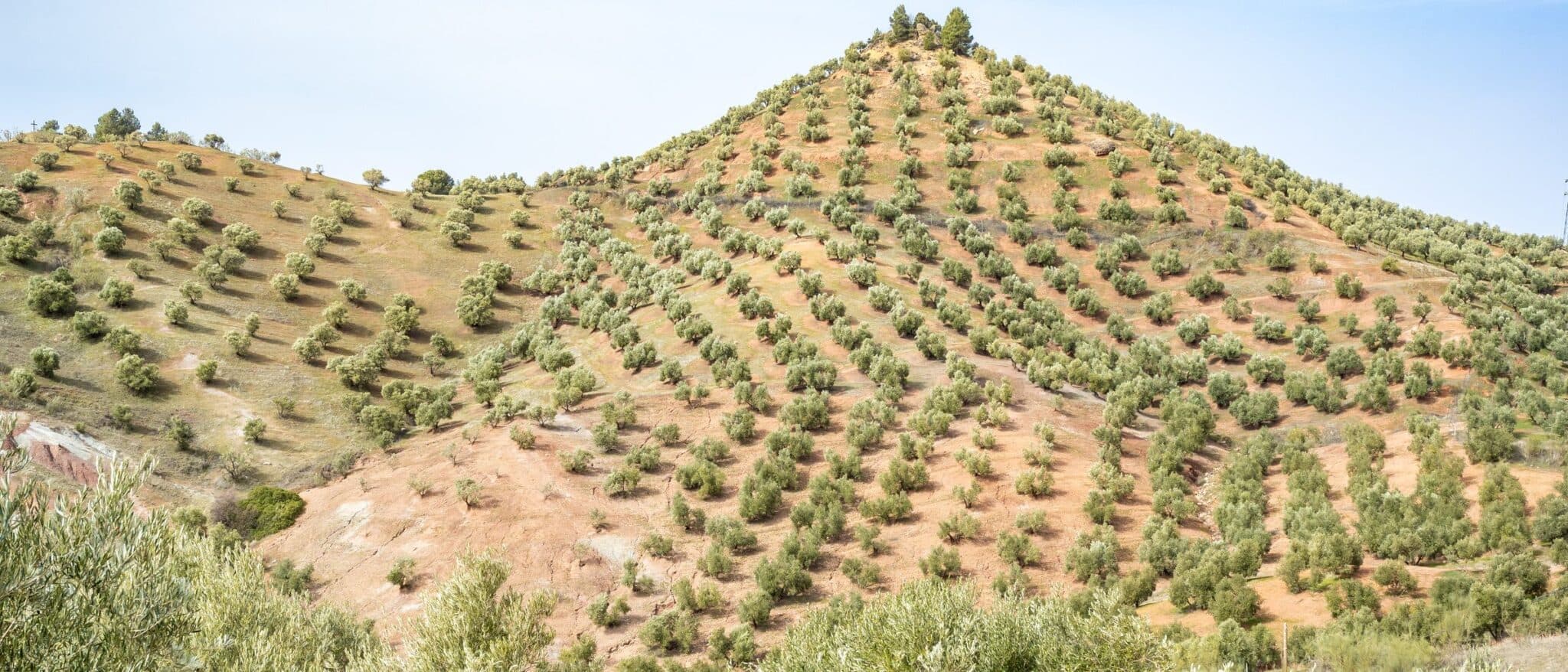
– Olive harvest begins in Jaén province — if you’re interested in rural Spain, this is a fascinating time to explore the world’s largest olive oil-producing region.
– Día de la Hispanidad (12 October, national holiday) — some cities hold local parades and cultural events.
Who it suits: October is my personal top recommendation for most types of traveller — it combines near-perfect weather with low prices, thin crowds, and a relaxed pace. If flexibility allows, mid-October is the single best week of the year to visit Andalucia.
November
Weather: Cooling down. 17–21°C in the lowlands during the day; 8–12°C in the evenings. Rain becomes more frequent, particularly in Cádiz, Huelva, and Seville. Granada gets cold (5–8°C at night). Sunny periods are still common, especially in Almería and the east coast.
Crowds: Very low. Practically the same as January.
Prices: Low and excellent value, except around Spanish public holidays.
What’s on: Todos los Santos (1 November) and associated cemetery visits — a culturally interesting window into Spanish traditions. Otherwise, November is quiet. Some smaller museums or rural accommodation may have reduced hours.
Who it suits: Budget travellers; those specifically targeting the Alhambra without any advance booking; people combining Andalucia with Morocco (Tarifa–Tangier ferries run year-round; weather in Morocco is also pleasant in November).
December
Weather: 14–17°C during the day, 6–9°C at night in Seville. Christmas markets and festive decoration transform the cities. Expect some rain. Sierra Nevada opens for skiing from late November or December.
Crowds: Low until the last two weeks of December, when Spanish domestic tourism spikes around Christmas and New Year.
What’s on:
– Christmas lights in Seville and Málaga are famously spectacular — particularly Málaga’s Calle Larios, which has some of the most elaborate festive lighting in Spain.
– Belenes (nativity scenes) are displayed in every town and city — elaborate, sometimes room-sized, deeply traditional.
– New Year’s Eve (Nochevieja) — celebrated in every town square. The tradition of eating twelve grapes at midnight (one per bell toll) is not to be missed.
Who it suits: People who love festive atmosphere without Christmas-week crowds; those pairing Andalucia with Morocco; city-breakers after Christmas lights and cheap flights.
Quick-reference comparison table
| Month | Temp (Seville) | Crowds | Prices | Best for |
|---|---|---|---|---|
| January | 14–17°C | ★☆☆☆☆ | ★☆☆☆☆ | Budget, Alhambra access, Sierra Nevada ski |
| February | 15–18°C | ★☆☆☆☆ | ★★☆☆☆ | Cádiz Carnaval, almond blossom |
| March | 18–22°C | ★★★☆☆ | ★★★☆☆ | Wildflowers, Semana Santa (if applicable) |
| April | 22–26°C | ★★★★☆ | ★★★★★ | Feria de Abril, peak spring beauty |
| May | 26–30°C | ★★★☆☆ | ★★★★☆ | All-rounder — best overall month |
| June | 30–36°C | ★★★☆☆ | ★★★★☆ | Coast, long evenings, fewer crowds than July |
| July | 38–44°C | ★★★★★ | ★★★★★ | Beach only; brutal inland |
| August | 37–43°C | ★★★★★ | ★★★★★ | Beach, Feria de Málaga |
| September | 30–36°C → 24–28°C | ★★★☆☆ | ★★★☆☆ | Bienal, sherry harvest, late-Sept sweet spot |
| October | 22–28°C | ★★☆☆☆ | ★★☆☆☆ | Best all-round value; my top pick |
| November | 17–21°C | ★☆☆☆☆ | ★☆☆☆☆ | Alhambra same-week tickets, budget |
| December | 14–17°C | ★★☆☆☆ | ★★☆☆☆ | Festive atmosphere, Christmas lights |
Crowds and prices: ★☆☆☆☆ = very low, ★★★★★ = very high
What’s the single best month to visit Andalucia?
There’s no one-size-fits-all answer, but here’s how I’d break it down:
For first-time visitors who want to see everything: May or early October. Both offer near-perfect weather, manageable crowds, and open Alhambra slots within a reasonable booking window.
For budget travellers: January or November — the cultural offer is exactly the same as peak season, the prices are dramatically lower, and the Alhambra is practically walk-in.
For the definitive Andalucia experience (festivals + atmosphere): April, specifically Semana Santa and/or Feria de Abril in Seville. Plan a year ahead, budget for high season prices, and it will be unlike anything else you’ve experienced.
For beach + culture combination: late June or late September. The sea is warm, the cities haven’t hit July extremes (or have recovered from them), and prices are more reasonable than peak summer.
For photographers, nature lovers, and slow travellers: March for wildflowers and light; October for harvest colours and empty landscapes.
Andalucia weather by city
Seville
The hottest major city in Western Europe in summer. Beautiful in spring and autumn. The April–May and mid-September–October windows are the sweet spots for comfortable sightseeing. Avoid July–August for anything other than evening strolls.
Granada
Higher elevation than Seville means cooler summers (rarely above 35°C even in July) and genuinely cold winters (sub-zero nights in January). Ideal year-round for city visits; add a ski trip at Sierra Nevada in winter. The Alhambra is the main driver of visit timing — book as far ahead as possible for spring.
Málaga
The mildest winter climate of any major Andalusian city — January rarely drops below 12°C. The coast makes summer bearable. Effectively a year-round destination, particularly for beach-focused travellers.
Córdoba
The second-hottest city in summer after Seville. Go for the Fiesta de los Patios in May, or plan a day-trip from Seville in spring or autumn. A July visit to Córdoba is an exercise in heat management.
Cádiz
Atlantic exposure means reliably breezy conditions year-round — cool in winter but never brutal, warm but rarely extreme in summer. February (Carnaval) is the standout festival reason to visit; the beaches are excellent June–September. Autumn and winter are the secret: the city is at its most authentically itself, empty of tourists, with tremendous light.
Plan your visit
Once you’ve picked your month, the next question is what to do with your time:
- For the full itinerary: see our Andalucia 7-Day Itinerary — Seville, Córdoba, Granada, Ronda, and Málaga done properly.
- For month-specific weather detail: see our Andalucia Weather by Month guide.
- For the white villages: our Pueblos Blancos guide covers the best villages and a road trip route.
- For the Alhambra: our Alhambra Visitors Guide covers tickets, timing, and everything you need to know before you go.
Whenever you choose to come — Andalucia will be ready for you.
Useful Resources
For official travel information about Andalucia, visit Seville weather forecasts.
Related reading: Andalucia 7-day itinerary, what to pack for Andalucia.
Frequently asked questions
Is Andalucia good in winter?
More than most people realise. Daytime temperatures in Seville and Málaga (14–17°C) compare favourably with summer in northern Europe. The Alhambra is genuinely accessible, prices are low, and the cultural programme (museums, galleries, flamenco shows) continues year-round. Cádiz gets the worst of the Atlantic winter rain; Almería and the eastern coast stay remarkably dry even in January.
When is Andalucia cheapest?
January and November are consistently the cheapest months — and frequently the best value overall once you account for the lack of crowds and full access to all cultural sites.
Is Semana Santa worth the crowds and cost?
If you’ve never seen it: yes, at least once. The Seville Semana Santa in particular is one of the most extraordinary public events in Europe — ten days of slow-moving processions, candlelight, incense, and haunting singing. Plan and book 6–12 months out. If you’re returning to Andalucia for a second or third time, try Granada’s version instead — smaller, equally intense, and half the price.
When should I book the Alhambra?
- Spring (April–June): book 2–4 months ahead
- Summer (July–August): book 3–6 months ahead
- Autumn (September–October): book 4–8 weeks ahead
- Winter (November–March): 1–2 weeks, sometimes same-day
Can I swim in Andalucia in October?
Yes. Water temperatures along the Costa del Sol and Almería coast are 20–22°C in October — warm enough for comfortable swimming. The Atlantic coast (Cádiz) cools faster: 18–20°C, fine for a swim if you don’t mind a bit of chill.
What’s the rainiest month in Andalucia?
December and January in the western provinces (Huelva, Cádiz, Seville). Almería is the driest city in Europe — barely 200mm of rain annually — and stays dry even in the wettest months. The rain, when it comes, tends to arrive in short heavy bursts rather than prolonged grey drizzle.