 Blog
BlogBlog
Iconic Landmarks and Historical Sites of Andalucía
Andalucía, a region steeped in history and culture, is home to some of the most iconic landmarks and historical sites in Spain, if not the world. The architectural legacy of Andalucía is a testament to the myriad of cultures that have flourished here, particularly during the Moorish period, which left an indelible mark on the…
Andalucía, a region steeped in history and culture, is home to some of the most iconic landmarks and historical sites in Spain, if not the world. The architectural legacy of Andalucía is a testament to the myriad of cultures that have flourished here, particularly during the Moorish period, which left an indelible mark on the region’s cultural and architectural heritage. In this article, we’ll journey through Andalucía’s most revered landmarks, exploring the stories behind these architectural marvels and their significance in world history.
The Alhambra, Granada
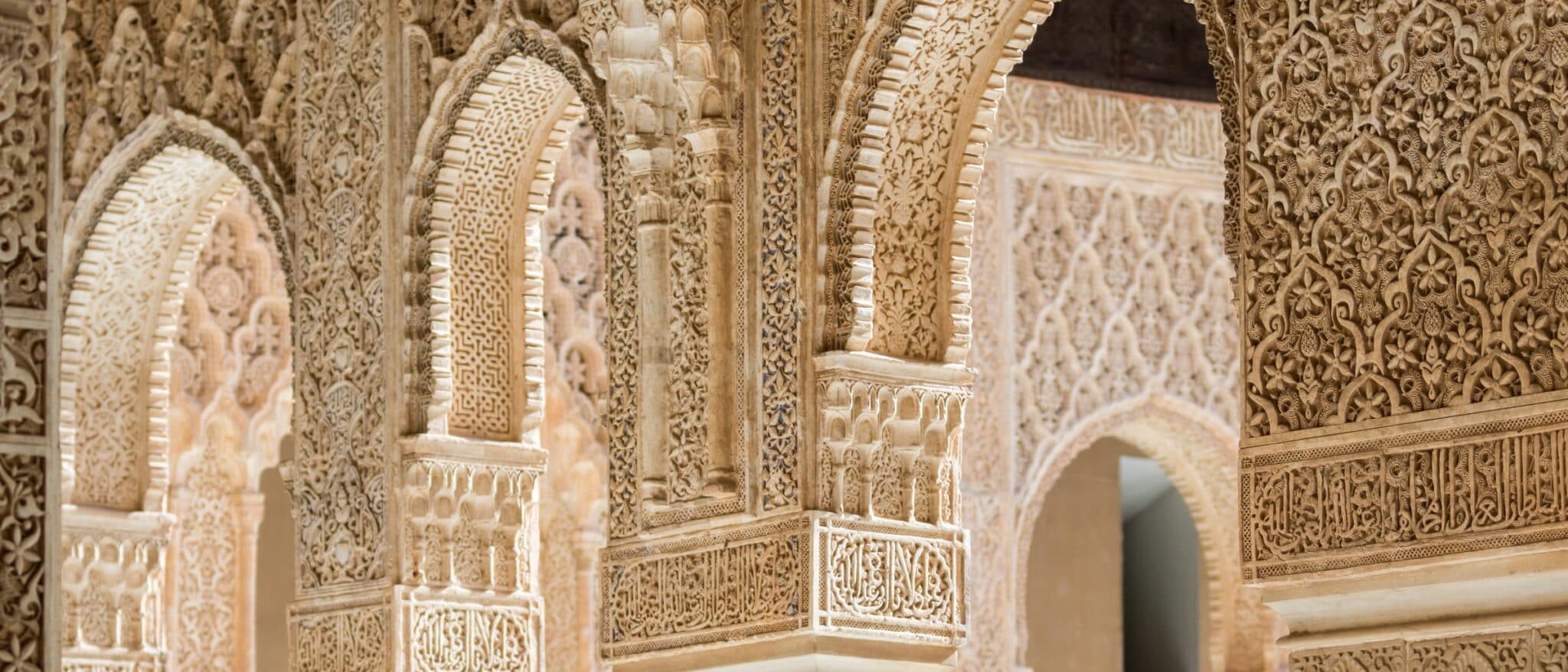
Perched atop the hills overlooking Granada, the Alhambra is a stunning palace-fortress complex that embodies Moorish art in its final European stages. Its construction began in the mid-13th century under the Nasrid dynasty, and it was expanded over the next several centuries. The Alhambra is renowned for its intricate Islamic art, stunning gardens, and the breathtaking views of Granada it offers. The Palace of the Lions and the Court of the Myrtles are just two examples of its many wonders, showcasing exquisite tile work, stucco, and wood carvings. The Alhambra is not just a palace but a symbol of the cultural fusion that defines Andalucía.
The Mezquita, Córdoba
Originally a Catholic church, the Mezquita was converted into a grand mosque in the 8th century and then transformed back into a cathedral in the 13th century, following the Reconquista. This unique history is reflected in its architecture, which combines Islamic, Gothic, Renaissance, and Baroque elements. The Mezquita’s most striking feature is its prayer hall, filled with columns and red-and-white striped arches that create a forest-like ambiance. The Mihrab, an ornately decorated prayer niche, and the Mudejar-style Chapel of Villaviciosa are highlights of this architectural masterpiece.
The Giralda, Seville
The Giralda is the bell tower of the Seville Cathedral and was originally built as a minaret during the Almohad dynasty in the 12th century. After the Reconquista, the Christians converted it into a bell tower, adding a Renaissance-style top. Standing at 104 meters tall, the Giralda is a striking example of Islamic and Christian architectural styles blending seamlessly. It offers panoramic views of Seville and stands as a testament to the city’s layered history.
The Alcázar of Seville
Another gem of Andalucía, the Alcázar of Seville, is a royal palace originally developed by Moorish Muslim kings. It is one of the most beautiful examples of Mudejar architecture found on the Iberian Peninsula. Over the centuries, the Alcázar has been expanded and remodeled by various rulers, adding elements of Gothic, Renaissance, and Baroque design. The palace is surrounded by lush gardens, which add to its allure, making it a peaceful oasis in the heart of Seville.
The Roman Theatre, Málaga
The Roman Theatre in Málaga, discovered in the 1950s, dates back to the 1st century BC and is a reminder of the Roman presence in Andalucía. It is located at the foot of the Alcazaba fortress and was used for entertainment purposes until the 3rd century. Today, it serves as a historical landmark, where visitors can explore ancient Roman architecture and gain insights into the cultural life of Roman Spain.
Conclusion
The landmarks of Andalucía are more than just tourist attractions; they are symbols of the rich cultural and historical tapestry that makes the region unique. Each site tells a story of conquests, reconquests, and the coexistence of different religions and cultures. Visiting these landmarks offers a window into the past, where the legacy of the Moors, Romans, and Christians is etched into the very stones and walls, inviting travelers to explore the depths of Andalucía’s heritage.