 Travel
Food
Best Tapas in Seville: Where to Eat (2026 Guide)
The best tapas bars and restaurants in Seville — from Triana to the Arenal. Where to eat, what to order, and how to do a tapas crawl properly.
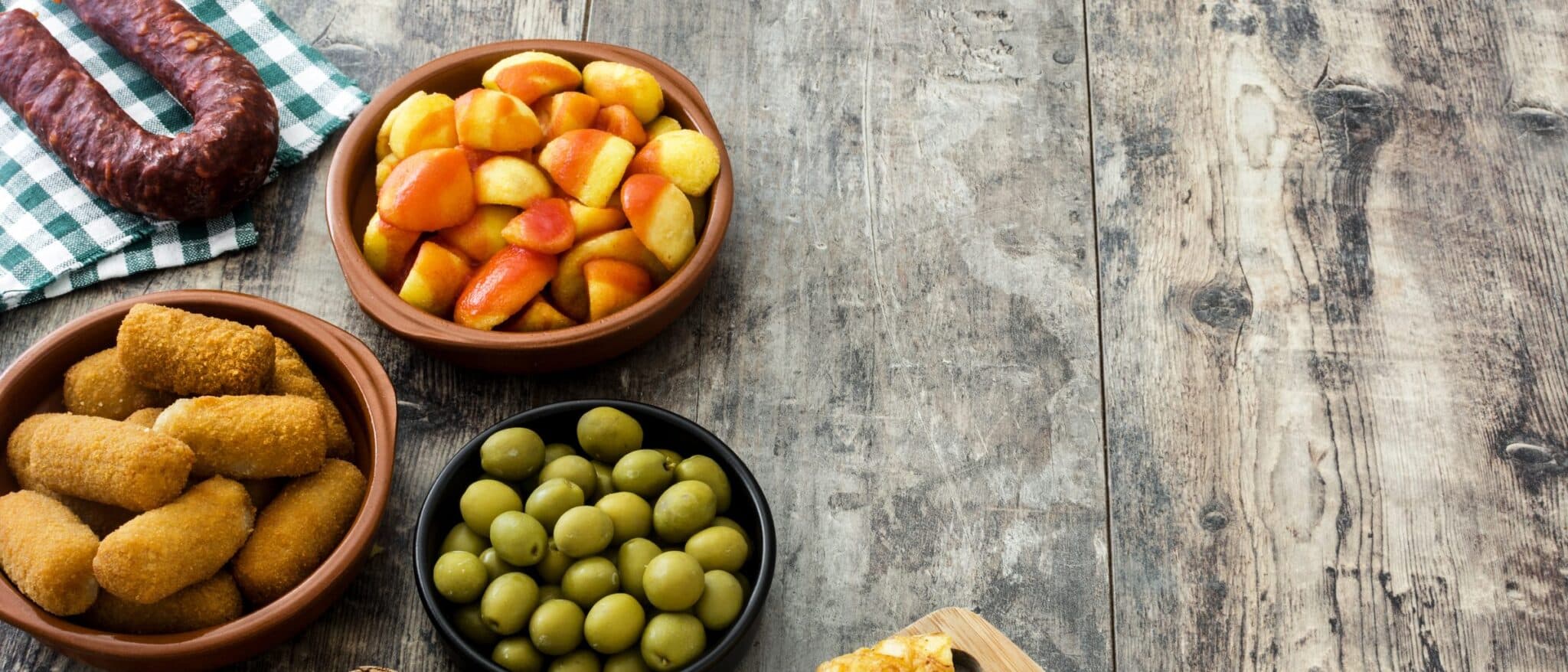
Finding the best tapas in Seville means knowing which neighbourhoods to target, which dishes define the city’s bar culture, and which streets the locals actually use on a Friday evening.
Best Tapas In Seville: Key Planning Points
Seville’s tapas culture is one of the great pleasures of Andalucia. It’s not about Michelin stars or Instagram plates — it’s about standing at a zinc bar with a glass of manzanilla, eating jamón-draped montaditos at 7pm before anyone has thought about sitting down to dinner, and doing it all over again at the next bar twenty metres down the street.
This best tapas in seville guide covers everything you need to know for your trip.
Use this best tapas in seville resource to plan each stage of your visit to Andalucia.
This guide covers the bars worth finding — the ones that have been doing it right for decades, plus a few newer spots that have earned their place.
How Seville tapas works
In Seville (unlike Granada), tapas are not free. You pay for them — but they’re sized and priced for snacking: a tapa (small portion, €2–€4) or a media ración (half portion, €5–€8) or a ración (full sharing portion, €9–€15). The ritual is to order drinks, pick tapas alongside them, eat standing at the bar or at a high table, pay, and move to the next place.
A good Seville tapas crawl involves 3–5 stops. You’re not eating a full meal at each — you’re having one or two things and a drink, then moving on. The walking is part of it.
Triana: the authentic barrio
Triana is across the Guadalquivir river from the historic centre — the flamenco district, the working-class neighbourhood, the place where Seville’s identity is least diluted by tourism.
Bar Las Golondrinas
Calle Antillano Campos 26
The most famous bar in Triana, and still the best. Dark interior, bull-fighting memorabilia, a zinc bar that hasn’t changed in 50 years. Choco frito (fried cuttlefish), solomillo al whisky (pork tenderloin in garlicky whisky sauce), and the house montadito de pringá (slow-cooked meat on bread). Get there by 7.30pm or you’ll be eating standing in the street. Do it anyway — that’s the point.
Casa Cuesta
Calle Castilla 1
An institution. Paella on Sundays, excellent daily tapas (the boquerones en vinagre — white anchovies in vinegar — are superb), friendly staff who’ve been there forever. The azulejo tile exterior is a Triana landmark.
Bar Santa Ana
Calle Pureza 82
The oldest bar in Triana, near the church of Santa Ana. Simple, no-frills, cold beer and good ham. The kind of bar that could only exist because it’s been here long enough to not have to try.
El Recreo de Tablada
Calle Betis 66 (riverside)
For those who want a table and river views — the Betis waterfront bars are more tourist-friendly than the interior Triana bars, but El Recreo stays local. Good fried fish and cold rebujito (sherry and lemonade, Seville’s unofficial drink).
Alfalfa and El Centro: the best food neighbourhood
The Alfalfa district around Plaza del Alfalfa is Seville’s most food-focused neighbourhood — tapas bars, the Mercado Lonja del Barranco, and a concentration of quality spots in a small area.
El Rinconcillo
Calle Gerona 40
The oldest bar in Seville — open since 1670. The waiters chalk your bill on the bar counter. The jamón is superb, the espinacas con garbanzos (spinach with chickpeas, a Seville classic) is excellent, and the whole experience feels like eating in a working museum. Not the cheapest but absolutely essential.
Bar Alfalfa
Plaza del Alfalfa 1
The corner bar on Seville’s most lived-in square. Flamenquín, croquetas de jamón, local wines by the glass. Packed at noon and again at 7pm — join the crowd at the bar.
Bodeguita Antonio Romero
Calle Antonia Díaz 19
A famous Seville institution: the montadito (small loaded roll) specialist. Everything on slices of bread — jamón, tortilla, pringá, chorizo. €1.50–€2 each. Order six, drink a beer, spend €12 and leave satisfied. Brilliant.
La Azotea
Multiple locations (Calle Jesús del Gran Poder, Calle Zaragoza, and others)
The best of Seville’s slightly-more-modern tapas bars — using quality local produce and doing interesting things with it without becoming precious about it. The alcachofas (artichokes with jamón) and the huevos rotos (broken eggs with potato and cured meat) are consistently excellent. Slightly pricier than the old-school bars but worth it.
Barrio Santa Cruz: navigate carefully
The old Jewish quarter is beautiful but tourist-trap density is high. Most bars in the heart of Santa Cruz are overpriced for what they are. Exceptions:
Bodega Santa Cruz (Las Columnas)
Calle Rodrigo Caro 1
On the edge of Santa Cruz, not deep inside it. This is the bar where tourists and locals overlap. Simple, honest tapas — papas aliñás (warm potato salad with tuna and onion, a Seville classic), good jamón, cold beer. The terrace can be touristy but the bar inside is fine.
Macarena: the undiscovered neighbourhood
La Macarena is north of the historic centre — more residential, more authentic, and almost entirely free of tourist bars.
Taberna Coloniales
Calle Fernán Caballero 1 (also a branch in the centre at Plaza Cristo de Burgos)
Seville’s great menú de tapas restaurant — not a standing bar, but a sit-down spot where you choose from an extensive tapas menu at genuinely local prices. The carne mechada (slow-braised beef), the pringá croquetas, and the ensaladilla rusa (Russian salad) are all excellent. A proper meal for €15 per person.
Taberna El Alabardero
Calle Zaragoza 20
Old-school taberna with extraordinary jamón and a serious wine list focused on Andalucia. Slightly pricier, but the quality of produce is a level above the neighbourhood bars.
The Seville tapas crawl route
Classic Triana evening crawl:
Start at Bar Las Golondrinas (7pm) → Casa Cuesta (7.45pm) → Bar Santa Ana (8.30pm) → finish with a drink on the Betis waterfront.
Alfalfa and El Centro crawl:
Bodeguita Antonio Romero (7pm, eat quickly) → Bar Alfalfa (7.30pm) → El Rinconcillo (8.30pm, must-see) → La Azotea (9.30pm for something more considered).
Both options end well before midnight — leaving room for a real dinner later, or another bar in the Alameda de Hércules if you want to extend the evening.
What to order: key dishes
- Jamón ibérico — cured ham from Huelva province; always order the good stuff if the bar has it
- Solomillo al whisky — pork tenderloin in garlic-whisky sauce; Seville’s signature tapa
- Pringá — slow-cooked mixed meat (typically pork, beef, and morcilla) served on crusty bread
- Espinacas con garbanzos — spinach with chickpeas, olive oil, and spices; a Moorish-origin classic
- Papas aliñás — warm potato salad with white tuna, onion, and parsley; best bar food in the city
- Choco frito — fried cuttlefish rings; better than calamari and unique to the south
- Montadito — any tapa loaded on a slice of baguette
What to drink: Manzanilla (bone-dry sherry from Sanlúcar) is the traditional pairing with tapas in Seville. Fino is similar. Rebujito (manzanilla + lemonade + ice) is the Feria de Abril drink. Cold draught beer (caña) is always appropriate.
Practical notes
- Best hours: 7–9.30pm for the pre-dinner tapas window; bars are busiest and freshest
- Reservations: Not needed or expected at tapas bars; just walk in
- Payment: Most bars now accept cards; keep €20 in cash as backup for the very traditional places
- Dress: Casual everywhere. Seville is informal.
More Seville eating guides
- For Granada’s very different tapa libre tradition: Best Tapas Bars in Granada
- For Córdoba’s food scene: Córdoba Food Guide
Useful Resources
For official travel information about Andalucia, visit Seville — Spain Tourism.
Related reading: Andalucia 7-day itinerary, Seville vs Granada.