 Travel
Travel
September in Cádiz: the vendimia fortnight, and the coolest capital in Andalucía
Cádiz city barely moves between day and night. Jerez, half an hour inland, runs four degrees hotter — and spends the first fortnight of September celebrating the grape harvest.
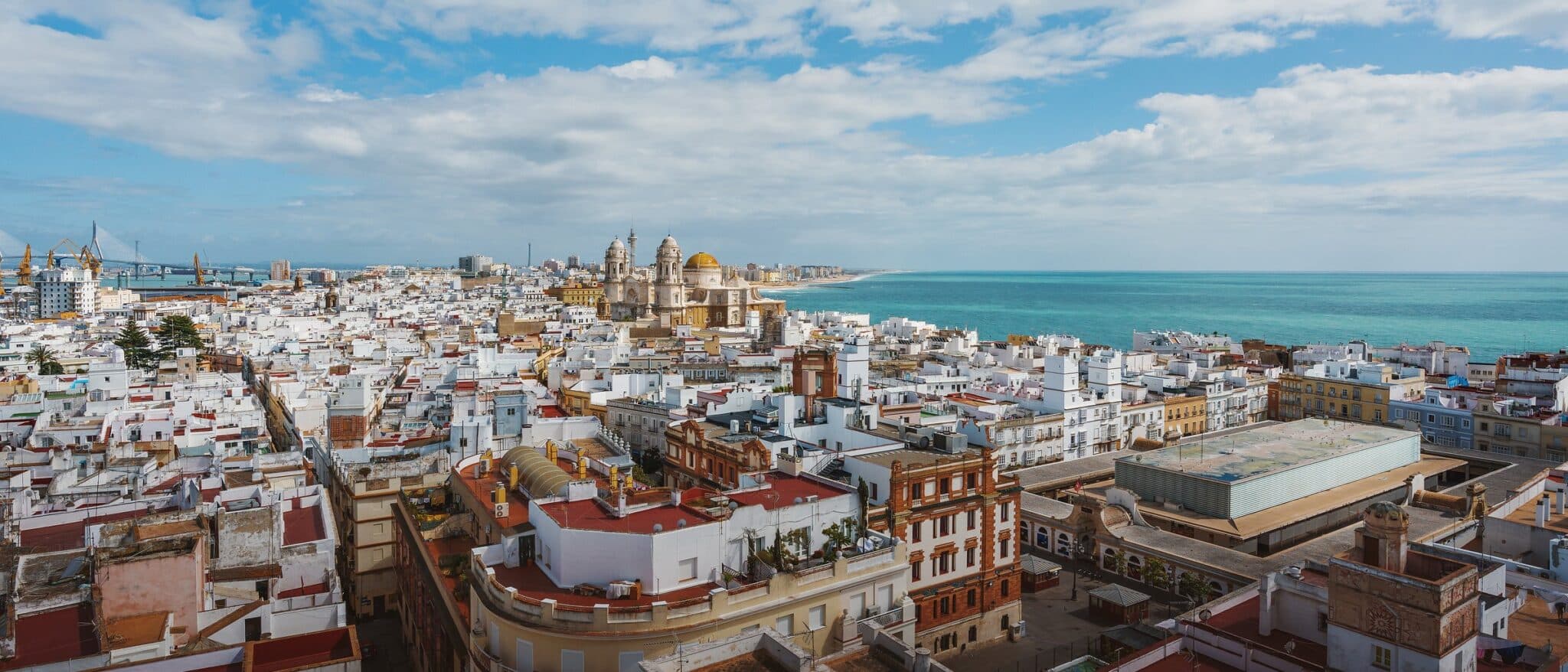
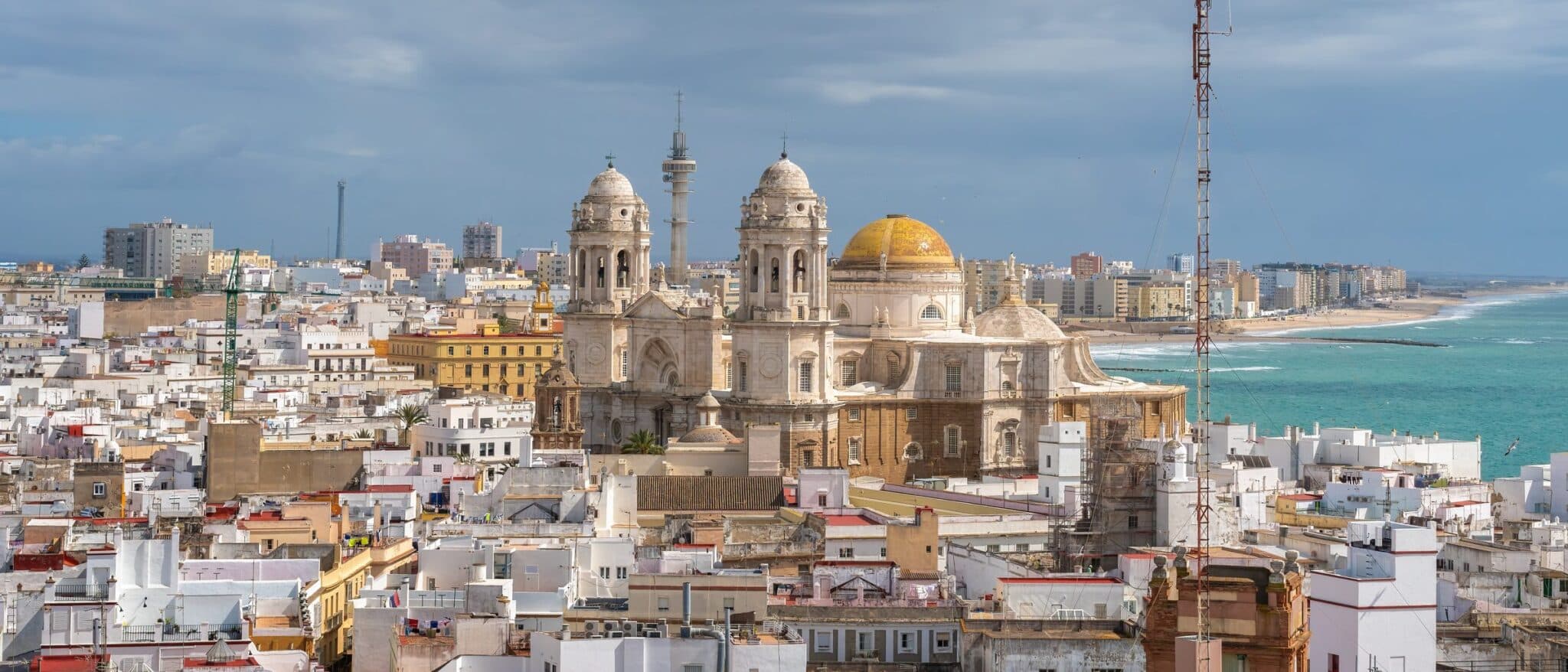
Cádiz province splits down the middle in September, and the difference is bigger than the map suggests. Cádiz city averages 26.3°C by day and 20.3°C at night — barely six degrees between the two, because the Atlantic is on three sides of it. Jerez, twenty-five minutes inland, averages 30.4°C by day and 17.0°C at night.
Four degrees hotter in the afternoon and three cooler after dark. That is the difference between a bodega day and a beach day, and it is worth choosing deliberately.
What the weather actually does
September is still dry on both sides: 24mm in the city, 27mm in Jerez. The drop-off comes immediately after — Jerez goes from 27mm in September to 72mm in October, which makes September the last dependably dry month on the Costa de la Luz.
Atlantic sea temperature runs around 21.5–22°C, a degree or two cooler than the Mediterranean and noticeably choppier. Tarifa sits at about 22.4°C with the levante and poniente winds that make it what it is. The levante eases through the month.
The swing is what the averages hide. Cádiz city moves six degrees between its average high and its average low; Jerez moves 13.4. The ocean never lets the city cool down properly, which is why nobody here eats dinner early. Jerez does the opposite: hot afternoon, then a night that wants a jacket.
The month also costs about 45 minutes of evening daylight: the late swim you had on the 1st is a dusk walk by the 30th. And it opens the gota fría season, the cut-off low that drops a month of rain in one afternoon. A wet September here is one violent day, not a soggy fortnight.
Which week to book
The first ten days of September are still August: same heat, same full beaches, same prices. The last ten are one of the best travel windows of the year in Andalucía, with the sea at its annual maximum — better swimming than June — and the coast emptied out. Awkwardly, the Fiestas de la Vendimia run 29 August to 13 September and sit almost entirely in the hot half.
So choose. If the vendimia is why you are coming, book the first fortnight, sleep in the city or on the coast, and take evening events over afternoon ones. If you want the province at its best and the fiesta is a bonus, book from about the 14th: you lose the programme, keep the sherry, and get the beaches. The bodegas and tabancos do not shut on the 14th. See also when to visit Andalucía.
What is on in September 2026
Fiestas de la Vendimia, Jerez — 29 August to 13 September (confirmed by the Ayuntamiento de Jerez). Sixteen days, more than a hundred activities. The institutional opening is the Ceremonia de la Pisa de la Uva on Tuesday 1 September (confirmed), when the first grapes are trodden in public outside the cathedral. An exhibition opens on 28 August, which is why some listings say the 28th.
Two things inside it are worth a day. The catas magistrales at the Alcázar give one sherry house a session to itself, places limited and booked ahead; González Byass, Lustau, Williams & Humbert, Valdespino and Fundador are on the 2026 list. Jerez Fusión, 10 to 13 September (confirmed) closes the fortnight with music, flamenco and food.
The programme is published by the ayuntamiento and flagged as subject to change, so check before fixing a date around a specific event.
Village ferias through the province: Jimena de la Frontera 3–6, Prado del Rey 4–6, Bornos and Ubrique both 9–13, Villamartín 16–20, Trebujena 17–20 September. Ubrique and Trebujena are confirmed by their town halls; the rest are expected, from provincial calendars.
Note what is not in September: Carnaval is February, and the province has no single great feria the way Jerez has the Feria del Caballo in May.
What life is like
The grapes are already in. Jerez picks palomino from early August, so by September the bodegas are fermenting rather than harvesting — the Vendimia is the celebration, not the work. What it does mean is that tabancos and bodegas run tastings and flamenco that do not exist the rest of the year.
On the coast, the beach bars at Zahara, Bolonia and Caños thin out sharply after the first weekend of the month, when the Spanish holidaymakers go home. The beaches themselves stay warm and get emptier by the week.
In the city, Cádiz goes back to being a working port town with a beach attached, and tables in La Viña free up.
Wind, beaches and where to base yourself
Wind matters more than temperature here. The levante comes from the east, out of the Strait: it lifts sand off the beach, turns a parasol into a kite and can push the air into the mid-thirties. The poniente comes off the Atlantic in the west, drops the temperature and puts a small swell on the shore. Cádiz gets levante on around 165 days a year, mostly May to August, so September is when its grip loosens without letting go.
Check wind direction the night before, not just the forecast high. On a levante day the open beaches around Tarifa and Bolonia get sandblasted, and Tarifa fills with kitesurfers, because there the levante blows side-offshore and flattens the water: a gift with a kite, a nuisance with a towel. That is the day for Cádiz city, or for Jerez and the white villages. On a poniente day, take the open beaches.
Where you sleep follows from that. Cádiz city if you want one hotel and no car: it is the cool end of the province, walkable, and the C-1 Cercanías runs through El Puerto de Santa María to Jerez, turning the vendimia into a train ride instead of a parking problem. Jerez if sherry is the point, at the cost of hotter afternoons and no sea. The Costa de la Luz villages are the beach answer and need a car.
The one thing to do in September
A sherry bodega in Jerez during the vendimia fortnight. The tastings are better, the tabancos put on flamenco, and the pisa is public. Fino and manzanilla drunk within a few miles of where they were made taste different from the same bottle anywhere else, and this is the fortnight the town is most willing to show you why.
Book before you fly. González Byass, the Tío Pepe complex, states that visits are “sólo con reserva previa” and opens Tuesday to Sunday, and this is the busiest fortnight of its year.
September in Cádiz: common questions
When is the pisa de la uva in Jerez in 2026?
Tuesday 1 September 2026, outside the cathedral in Jerez, trodden in public. It opens the Fiestas de la Vendimia, 29 August to 13 September. Both dates are confirmed by the ayuntamiento, which warns the wider programme can change.
Is September good for swimming on the Costa de la Luz?
The best month of the year for it. The Atlantic off Cádiz runs about 21.5–22°C, its annual maximum and warmer than June, with Tarifa around 22.4°C. Still choppier than the Mediterranean side of Andalucía.
Do I need to book bodega tours in advance?
Yes. Jerez bodegas work by prior reservation year-round, and 29 August to 13 September is their busiest fortnight.
Is early September too hot for the beach?
Not on the coast. Early September is crowded rather than hot, because the Atlantic holds the city and the Costa de la Luz near 26°C all month. It is inland Jerez and the Sierra that punish you.
Where to go next
- The Cádiz province guide
- September across Andalucía, and October, where that 72mm of Jerez rain goes
- When to visit Andalucía, month by month
- Feria del Caballo and Carnaval de Cádiz — the province’s two big set pieces, both outside September
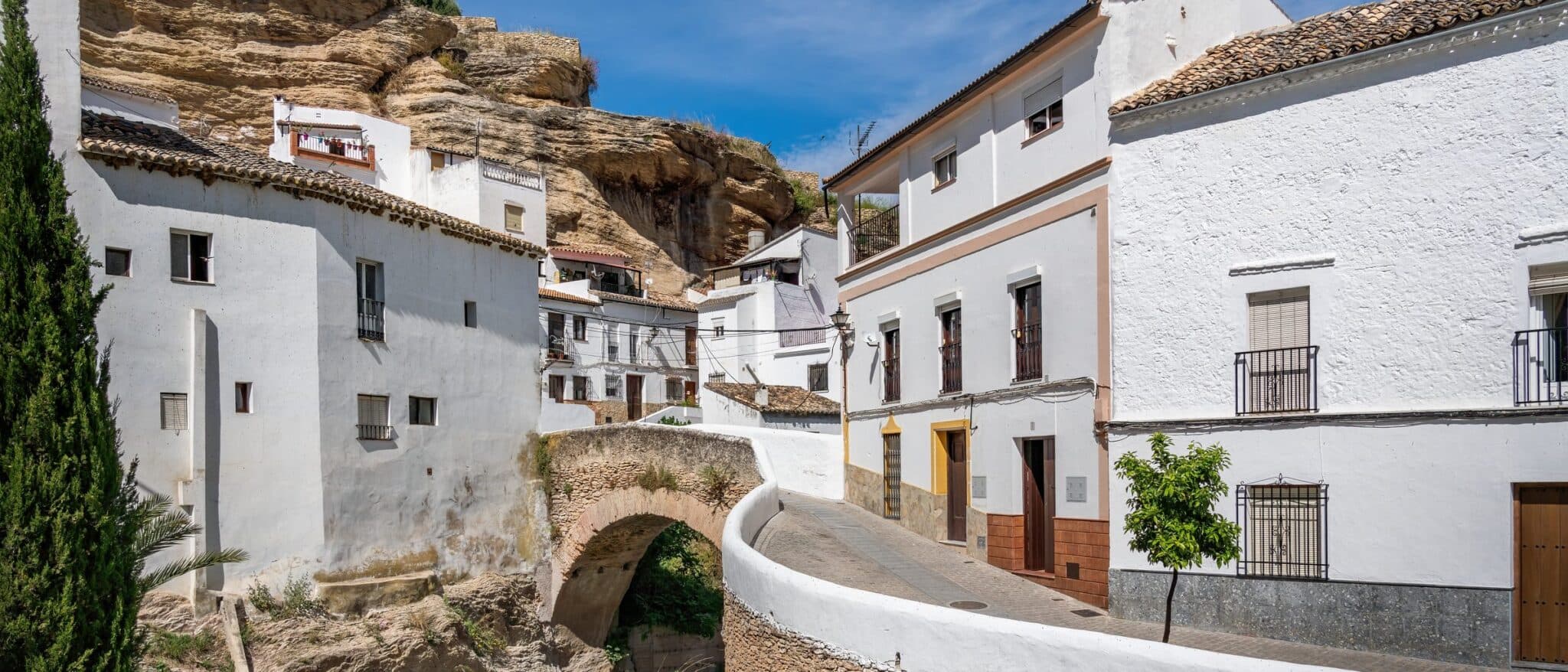
- The white villages — Grazalema and Zahara are in this province
- Trains and driving in Andalucía
- The fiesta calendar for the whole region