 Travel
Cities
Best White Villages in Andalucia: The Complete Guide (2026)
The best white villages in Andalucia — Ronda, Grazalema, Zahara, Vejer, Frigiliana and more. How to visit and what makes each one worth the trip.
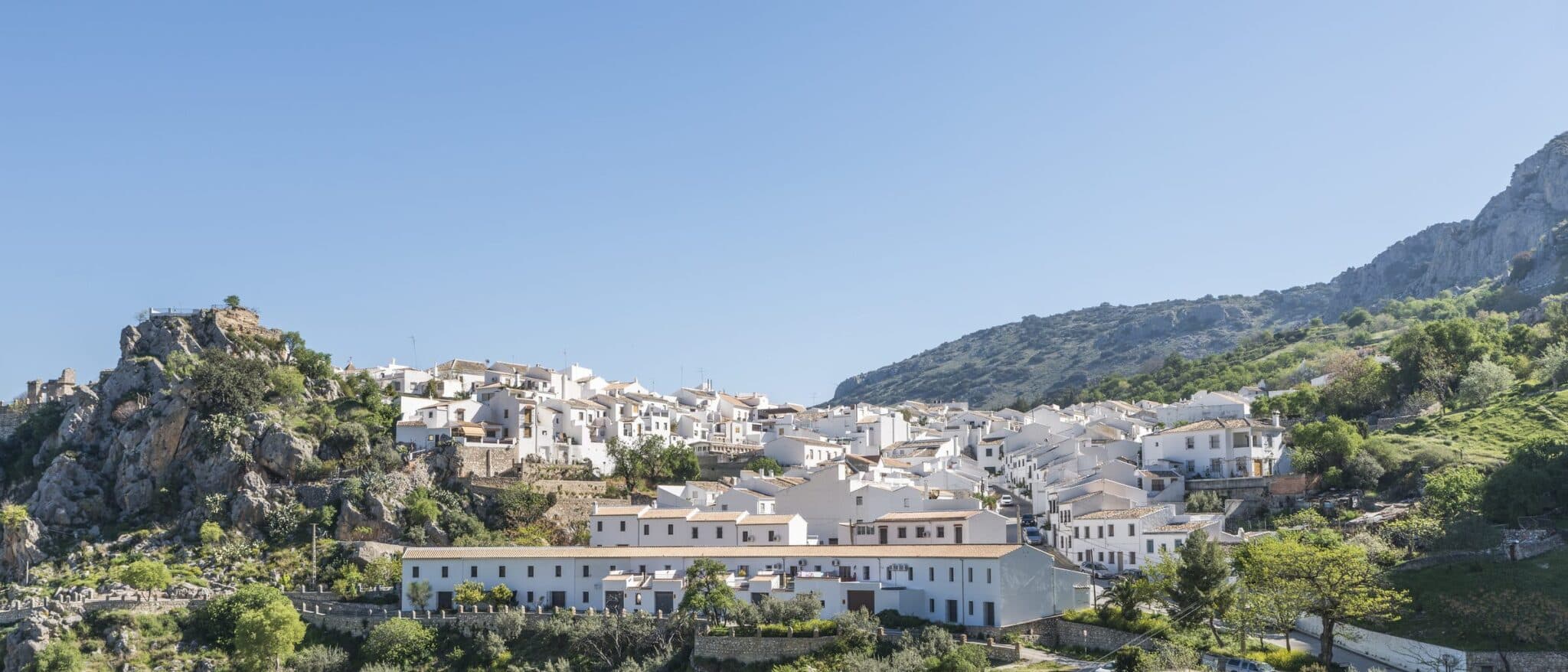
The best white villages in Andalucia sit in the mountain ranges between the Atlantic and the Mediterranean — each one distinct, most of them connected by winding roads that reward slow driving.
Best White Villages In Andalucia: Key Planning Points
Andalucia has dozens of whitewashed villages, but not all of them are equal. Some are genuinely extraordinary — places that stop you mid-sentence and make you reach for your camera. Others are pretty but brief. This list gives you the ones worth the detour, ranked by what makes each special.
This best white villages in andalucia guide covers everything you need to know for your trip.
Use this best white villages in andalucia resource to plan each stage of your visit to Andalucia.
1. Setenil de las Bodegas ⭐ Most unique
Province: Cádiz | Best for: Sheer architectural weirdness
Nowhere else in Spain looks like Setenil. The village is built into — and directly under — the overhanging volcanic rock walls of the Guadalporcún river gorge. Houses have cliff ceilings. Streets run in the shade of enormous rock overhangs. It looks like a fairy tale and feels like stepping into a parallel world.
The two main streets — Calle Cuevas del Sol (sun side) and Calle Cuevas de la Sombra (shade side) — run along opposite walls of the gorge, with rock hanging directly above the rooftops. Bar Frasquito is the essential stop: a glass of local wine, under the cliff, as the late afternoon light turns the rock golden.
How to visit: 20 minutes from Ronda by car. No public transport from major cities. Half-day stop.
2. Zahara de la Sierra ⭐ Most photogenic
Province: Cádiz | Best for: Postcard views and reservoir reflections
Zahara is the image you’ll have seen in every Andalucia travel article — a white village climbing a rocky spur, crowned by a 12th-century Moorish castle tower, its reflection shimmering in a turquoise reservoir below. The real thing exceeds the photographs.
It’s a small village (1,400 people) with minimal facilities but maximum atmosphere. The castle walk takes 20 minutes and gives you a 360° panoramic view across the Sierra. The reservoir is swimmable in summer. The drive in from Grazalema via the Puerto de las Palomas mountain pass is one of the finest roads in Andalucia.
How to visit: 20 minutes from Grazalema by car. Half-day stop, or combine with Grazalema for a full day.
3. Vejer de la Frontera ⭐ Most beautiful (overall)
Province: Cádiz | Best for: Labyrinthine old town and Atlantic views
The most frequently cited “most beautiful village in Andalucia” by those who’ve actually been there — and the one most underrated by visitors who stick to the Serranía de Ronda circuit. Vejer sits on a hilltop above olive groves with views to Gibraltar and, on clear days, the African coast.
The old town is a dense labyrinth of whitewashed lanes, hidden plazas, and flower-draped arches — genuinely easy to get lost in, which is entirely the point. The food scene (anchored by Annie B’s cooking school and restaurant) is the most sophisticated of any white village. The Atlantic beach at El Palmar is 20 minutes away.
How to visit: 50 minutes from Cádiz by car, or bus from Cádiz (1h). Full day minimum.
4. Grazalema ⭐ Best base
Province: Cádiz | Best for: Natural park access and mountain atmosphere
Grazalema is the hub of the Sierra de Grazalema Natural Park — the wettest point in Spain, a landscape of dramatic limestone peaks, pinsapo (Spanish fir) forests found nowhere else in Europe, and spring wildflower meadows. The village itself is compact and beautiful: a tight grid of whitewashed streets around a central plaza, with the Peñón Grande limestone peak looming above.
It’s the best base for the white village circuit — central to Zahara, Setenil, Ronda, and Olvera — and has the best hiking access of any village in the area. The Garganta Verde gorge trail is one of the great walks in southern Spain (free permit required in season).
How to visit: 30 minutes from Ronda by car. Overnight stay recommended.
5. Ronda ⭐ Most dramatic
Province: Málaga | Best for: The gorge and the old town
Ronda is the largest and most visited of the white villages — arguably it’s more city than village (34,000 people). But the El Tajo gorge and the Puente Nuevo bridge spanning it are among the most dramatic sights in Spain. No photograph does the 120-metre drop justice.
Beyond the gorge: a beautifully preserved Moorish old town, Spain’s oldest active bullring, two Michelin-starred restaurants (Bardal), and some of the best hotels of any small city in Andalucia. The best time to experience Ronda is after 7pm when the day-trippers leave and the town returns to itself.
How to visit: By car (1h 40min from Málaga), by train on the scenic Málaga–Algeciras mountain line (2h), or by bus from Seville (2h 30min). Full day or overnight.
6. Frigiliana ⭐ Easiest from the coast
Province: Málaga | Best for: Costa del Sol visitors wanting a white village
The most accessible white village from the Costa del Sol — 15 minutes above Nerja, 1h from Málaga. Frigiliana’s upper Moorish quarter (El Barribarto) is genuinely beautiful: steep cobbled lanes, whitewashed walls draped in flowers, ceramic tile murals telling the story of the 1568 Moorish rebellion.
It gets busy during the day in summer — come early morning or late afternoon. The subtropical fruit terraces surrounding the village (avocado, mango, cherimoya) are unique in Spain.
How to visit: Bus from Nerja (15 min, very regular). Day trip from Málaga (1h drive). Half-day.
7. Arcos de la Frontera ⭐ Best western gateway
Province: Cádiz | Best for: Cliff-edge drama and a proper town
Arcos is the first major white village you encounter heading south from Seville — a proper town (30,000 people) dramatically positioned on a cliff above the Guadalete river. The old town perches on the very edge of the cliff, with houses overhanging the gorge and a mirador that drops sheer into the valley below.
The town has more facilities than the smaller villages (restaurants, hotels, a good tapas scene) and makes an excellent first overnight stop on the white village circuit from Seville.
How to visit: 1h 15min from Seville by car, or bus from Jerez (45 min). Overnight or half-day stop.
8. Zuheros ⭐ Best hidden gem
Province: Córdoba | Best for: Off-the-beaten-path authenticity
Zuheros is the white village that most visitors to Andalucia never find — hidden in the Subbética Natural Park north of Granada, surrounded by limestone crags and olive groves that are completely unlike the Cádiz sierra landscape. The Moorish castle built into the cliff face above the village is extraordinary. The Cueva de los Murciélagos (Cave of the Bats) below the village contains 6,000-year-old Neolithic cave paintings.
Almost no international tourists. A genuinely local village. Perfect for those who’ve done the main circuit and want something different.
How to visit: 1h from Córdoba by car. Half-day or combine with Baena and Priego de Córdoba.
9. Olvera ⭐ Best castle-and-church combination
Province: Cádiz | Best for: Dramatic skyline and northern gateway
Olvera marks the northern end of the official Ruta de los Pueblos Blancos. The village is dominated by a spectacular Moorish castle and a neoclassical church built on the same ridge — the silhouette visible from miles away. The village below is quieter and more residential than Ronda or Frigiliana, which makes it feel more authentic.
How to visit: 45 minutes from Ronda by car. Good combination with Setenil (30 min from Olvera).
How to visit the white villages: practical summary
Car is essential for all except Ronda (train from Málaga) and Frigiliana (bus from Nerja).
Best circuit: Ronda → Setenil → Olvera → Zahara → Grazalema → back to Ronda or onward to Málaga/Cádiz. Allow 2–3 days.
Best season: Spring (March–May) for wildflowers, October for thin crowds and golden light.
Where to base: Ronda (most facilities, most central to the circuit), Grazalema (best for natural park access and hiking), Vejer (best for the Atlantic circuit).
For the full route planning guide: Pueblos Blancos Road Trip Route
For the complete white villages guide: Pueblos Blancos Andalucia Guide
Useful Resources
For official travel information about Andalucia, visit Andalucia — Spain Tourism.
Related reading: Pueblos Blancos road trip, renting a car in Andalucia.