 Blog
BlogTravel
Andalucia Weather by Month: When Is the Best Time to Visit?
Month-by-month Andalucia weather guide — temperatures, rainfall, crowds, and the best time to visit for every type of trip.
Andalucia weather by month varies more dramatically than most visitors expect — July in Seville is one of the hottest inhabited places in Europe, while January in Granada can mean frost and near-empty streets.
Andalucia Weather By Month: Key Planning Points
Andalucia’s climate is broadly hot and dry — but “hot and dry” covers a huge range, from January mornings in Granada (3°C at dawn) to August afternoons in Seville (44°C by 3pm). This guide gives you the actual numbers for each month and each major city, so you can pack and plan appropriately.
This andalucia weather by month guide covers everything you need to know for your trip.
Use this andalucia weather by month resource to plan each stage of your visit to Andalucia.
Quick reference: average temperatures by city
| Month | Seville | Córdoba | Granada | Málaga | Almería |
|---|---|---|---|---|---|
| January | 15°C / 7°C | 13°C / 5°C | 12°C / 2°C | 16°C / 9°C | 17°C / 8°C |
| February | 17°C / 8°C | 16°C / 6°C | 13°C / 3°C | 17°C / 9°C | 18°C / 9°C |
| March | 21°C / 10°C | 20°C / 8°C | 17°C / 6°C | 19°C / 11°C | 20°C / 11°C |
| April | 23°C / 13°C | 22°C / 11°C | 20°C / 8°C | 21°C / 13°C | 22°C / 13°C |
| May | 27°C / 16°C | 27°C / 15°C | 24°C / 12°C | 24°C / 16°C | 25°C / 16°C |
| June | 32°C / 20°C | 33°C / 18°C | 30°C / 16°C | 28°C / 20°C | 29°C / 20°C |
| July | 37°C / 23°C | 38°C / 22°C | 35°C / 19°C | 31°C / 23°C | 32°C / 23°C |
| August | 37°C / 23°C | 38°C / 22°C | 34°C / 19°C | 32°C / 23°C | 33°C / 23°C |
| September | 32°C / 20°C | 32°C / 19°C | 29°C / 16°C | 28°C / 21°C | 30°C / 21°C |
| October | 25°C / 15°C | 24°C / 14°C | 22°C / 11°C | 24°C / 17°C | 25°C / 17°C |
| November | 19°C / 11°C | 18°C / 9°C | 16°C / 6°C | 19°C / 12°C | 20°C / 12°C |
| December | 15°C / 8°C | 14°C / 6°C | 12°C / 3°C | 16°C / 10°C | 17°C / 9°C |
Figures show average daily high / average daily low
Rainfall by month
Andalucia’s rain falls mostly in winter (November–February) in the western provinces and is dramatically lower in the east. Almería is the driest city in Europe.
| Month | Seville (mm) | Granada (mm) | Málaga (mm) | Almería (mm) |
|---|---|---|---|---|
| January | 66 | 44 | 61 | 28 |
| February | 61 | 40 | 55 | 24 |
| March | 45 | 36 | 45 | 22 |
| April | 57 | 44 | 37 | 18 |
| May | 35 | 32 | 22 | 12 |
| June | 8 | 14 | 6 | 4 |
| July | 1 | 4 | 1 | 1 |
| August | 3 | 6 | 4 | 3 |
| September | 22 | 22 | 20 | 12 |
| October | 56 | 42 | 55 | 22 |
| November | 75 | 50 | 72 | 28 |
| December | 79 | 55 | 78 | 32 |
Key insight: July and August are essentially rain-free across the whole region. Winter rain in the east (Almería, eastern Málaga) is minimal even at its peak.
Mediterranean sea temperatures (Costa del Sol / Almería)
| Month | Sea temp |
|---|---|
| January | 15°C |
| February | 14°C |
| March | 14°C |
| April | 16°C |
| May | 18°C |
| June | 21°C |
| July | 24°C |
| August | 25°C |
| September | 24°C |
| October | 22°C |
| November | 19°C |
| December | 16°C |
The sea is swimmable (for most people) June–October, warm July–September, and surprisingly pleasant in late October.
What the weather means for your trip
January–February
Cold mornings (Seville 7°C, Granada near freezing at dawn), mild afternoons (15–17°C in Seville, 12–13°C in Granada). Essentially European spring weather for British and Northern European visitors. The cities are quiet and inexpensive. The Alhambra is bookable with minimal notice. The Sierra Nevada ski season is in full operation.
Pack: A warm jacket, layers, waterproof for the western provinces. Temperatures in Granada at night can require a proper winter coat.
March–April
Spring arrives properly in March. By April, Seville and Córdoba are genuinely warm (22–26°C) and the countryside is at its most beautiful — wildflowers in the Grazalema Natural Park, orange blossom in the cities. This is also Semana Santa and Feria de Abril territory — magical weather coinciding with the region’s biggest festivals.
Pack: Light layers. A fleece for evenings. One warm layer for Granada. Sunscreen from mid-April.
May–June
May is widely considered the finest month in Andalucia. Daytime temperatures in Seville reach 27–30°C — warm enough for full outdoor enjoyment, cool enough (especially evenings) to feel comfortable. The coast is warming up for swimming (18–21°C sea).
June marks the transition to summer heat. Inland cities (Seville, Córdoba) push into the low 30s by mid-June; the coast is comfortable at 25–28°C with a sea breeze.
Pack: Light summer clothing, sunscreen, a light layer for evenings in May. June needs sun protection and a hat.
July–August
The hottest months in Western Europe. Seville and Córdoba regularly record 40–44°C. The interior of the Alcázar and Mezquita stay cool (stone buildings retain overnight cool until 10–11am); the streets outside are hostile between noon and 5pm. The coast (Málaga: 31°C, Almería: 32°C) is significantly more manageable.
Strategy for summer: Sightsee 7–11am, retreat to shade or air-conditioning noon–5pm, resume activity in the evening (outdoor restaurants, rooftop bars, and tapas from 8pm).
Pack: Lightweight linen or technical fabrics, a wide-brimmed hat, high SPF sunscreen, reusable water bottle, electrolytes. Evenings are warm enough for summer clothing even at midnight.
September–October
The finest autumn in Europe. September is summer-hot in early weeks, dropping to the low 20s by late month. October is consistently 22–28°C by day in the lowlands — perfect sightseeing weather — cooling to 14–17°C at night. The sea stays warm into October (22°C). The countryside turns gold-brown.
Pack: Light daytime layers, a fleece or light jacket for evenings (essential in Granada from late September), sun protection for the midday hours.
November–December
Western Andalucia gets Atlantic autumn and winter rain from November, but typically in short heavy bursts rather than prolonged drizzle. Almería and the eastern coast remain notably dry. Temperatures are mild compared to most of Europe (Seville 15–19°C, Málaga 16–19°C). Granada is cooler (12–16°C days) and cold at night.
Christmas brings spectacular festive lighting to Málaga and Seville.
Pack: A proper jacket, waterproof layer, warm layers for Granada, smart casual for Christmas season evenings.
City-by-city weather character
Seville: The hottest city. Glorious from March to June and September to October. Survivable in winter. Best avoided (for city sightseeing) July–August unless you operate on the local schedule (dawn and evenings only).
Córdoba: Similar to Seville but slightly hotter. The Mezquita’s stone interior keeps cool until mid-morning — plan your visit accordingly in summer.
Granada: Higher elevation (690m vs Seville’s 7m) means cooler summers (manageable even in July — rarely above 35°C) and cold winters (occasional snow in the city, reliable snow on the Sierra Nevada). The year-round temperature range is the widest of any major Andalusian city.
Málaga: The mildest winter in continental Spain. January is often 15–17°C and sunny. The sea and the mountains to the north create a protected microclimate. A genuinely year-round destination.
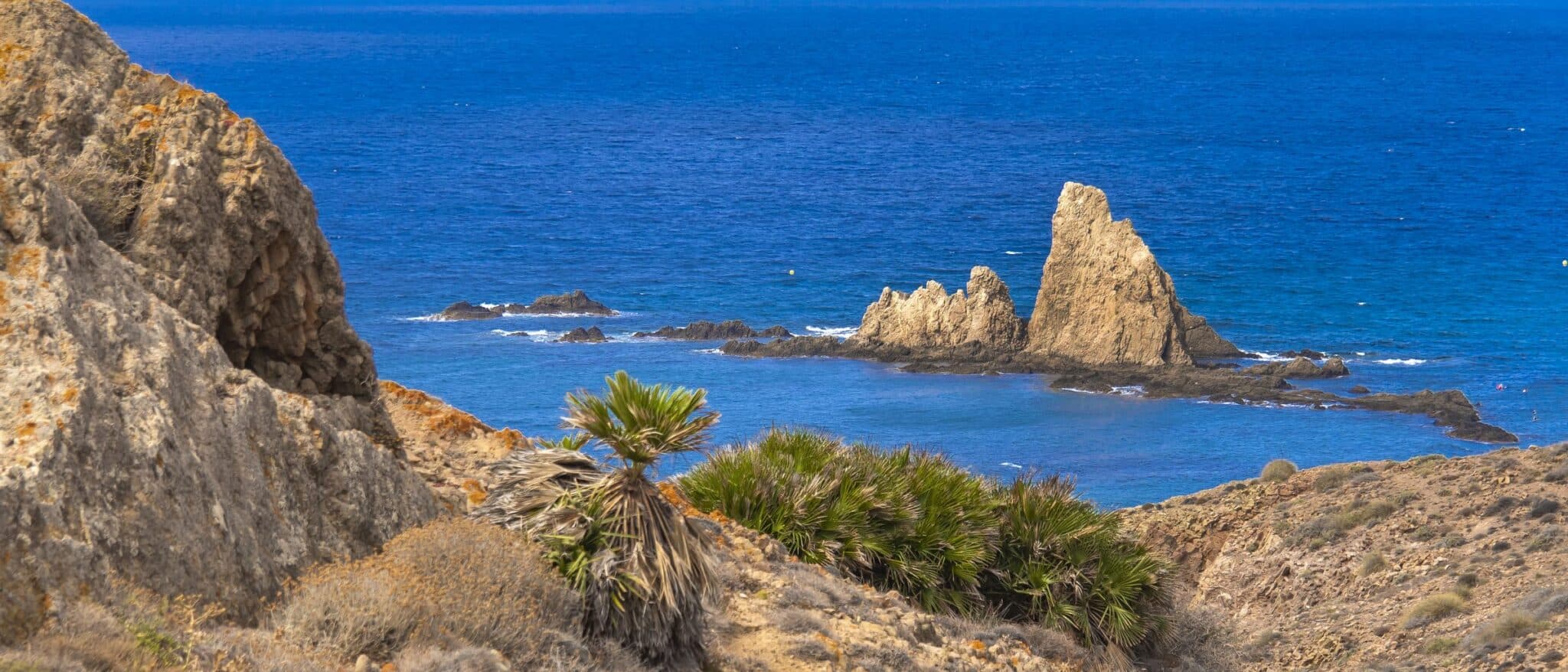
Almería: The driest and sunniest city in Europe (3,000+ sunshine hours per year). Almería’s climate is technically semi-arid. Even in January, rain is rare and sunshine is the norm.
For the full seasonal guide with festivals and practical advice
See our Best Time to Visit Andalucia guide — month-by-month with festivals, crowd levels, prices, and recommendations.
Useful Resources
For official travel information about Andalucia, visit Andalucia weather forecasts.
Related reading: best time to visit Andalucia, what to pack for Andalucia.