 Travel
Cities
Pueblos Blancos Andalucia: The Complete Guide to the White Villages
The best pueblos blancos in Andalucia — Ronda, Grazalema, Setenil, Zahara, Vejer and more. Route maps, when to visit, and how to do it by car or tour.
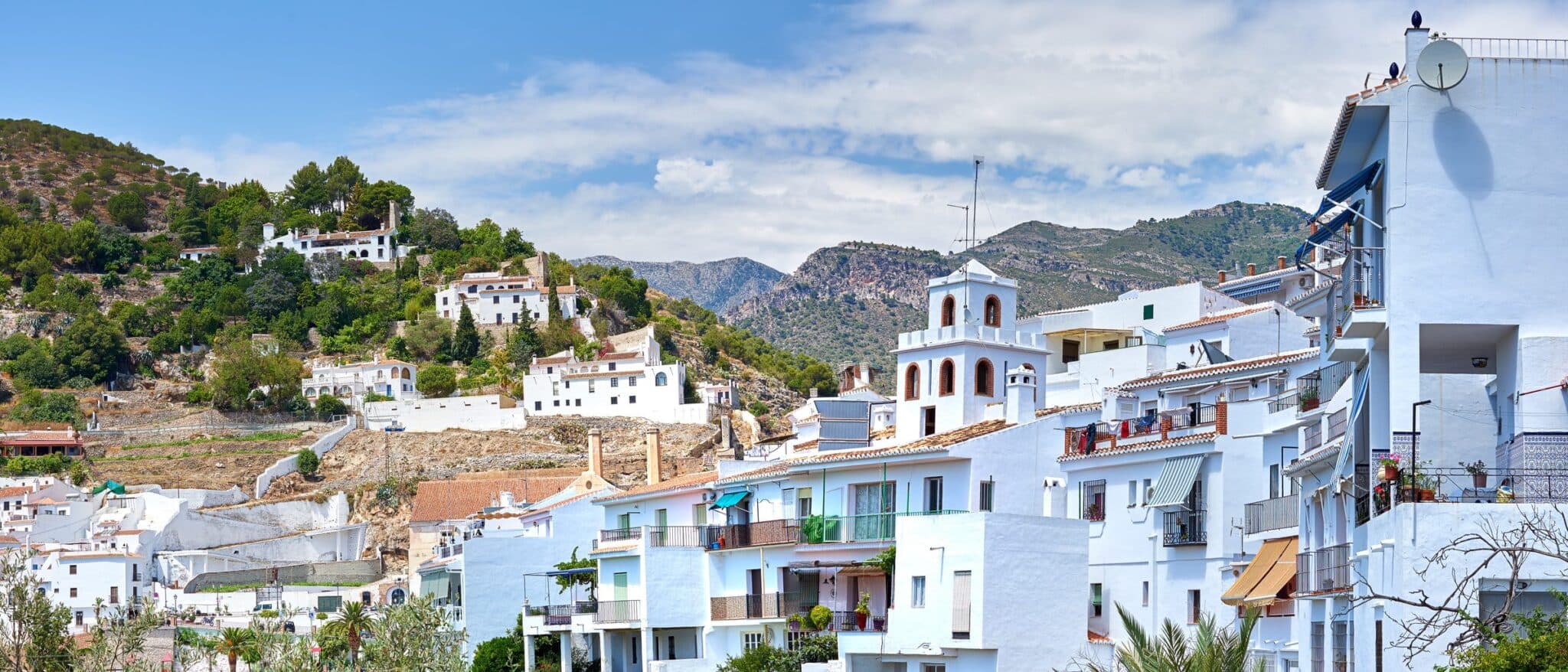
The pueblos blancos of Andalucia — the white villages of Cádiz and Málaga provinces — are some of the most visually striking landscapes in southern Spain, and among its most undervisited.
Pueblos Blancos Andalucia: Key Planning Points
There’s a moment, usually somewhere on a mountain road between Ronda and Grazalema, when you round a bend and the village appears: a splash of brilliant white against the grey limestone, tumbling down a hillside into a fold of the Sierra. It stops you every time.
This pueblos blancos andalucia guide covers everything you need to know for your trip.
Use this pueblos blancos andalucia resource to plan each stage of your visit to Andalucia.
Our pueblos blancos andalucia page is updated for 2026 with the latest practical information.
The pueblos blancos — white villages — of Andalucia are one of the great travel experiences of southern Spain. Not because they’re on some bucket-list checklist, but because they’re genuinely extraordinary: ancient settlements that cling to crags, fill gorges, and spill down hillsides, every house lime-washed white by tradition, every street a tangle of bougainvillea and hand-painted ceramic tiles.
This guide covers the best white villages, how to route between them, how long you need, and the logistical details that will make the difference between a magical road trip and a frustrating one.
What are the pueblos blancos?
The term pueblos blancos (literally “white towns” or “white villages”) refers to a loose cluster of whitewashed settlements concentrated in the provinces of Cádiz, Málaga, and — to a lesser extent — Seville and Huelva. Most sit in or around the Serranía de Ronda mountain range and the natural parks of Grazalema and Los Alcornocales.
The whitewashing tradition dates back to the Moorish period and was continued after the Reconquista — originally for practical reasons (lime reflects heat, repels insects, and acts as a mild disinfectant for water supplies in outdoor cisterns), later for aesthetic ones. It became a point of pride: villages competed to be the whitest, the most flower-decked, the best-kept.
Today around 19 villages are officially recognised under the Ruta de los Pueblos Blancos, but the broader Andalucia white village experience extends well beyond this official route, into towns like Vejer de la Frontera (Cádiz), Moclín (Granada), and Zuheros (Córdoba).
The best pueblos blancos in Andalucia
Ronda
Province: Málaga | Population: ~34,000 | Drive from Málaga: 1h 40min
The largest and most dramatic of the white villages. Ronda sits astride a 120-metre gorge carved by the Guadalevín river, the two halves of the city connected by the 18th-century Puente Nuevo — one of the most photographed structures in Spain. The bridge views from the Camino de los Molinos below are even better than from the top.
Ronda is also home to Spain’s oldest active bullring (Plaza de Toros de Ronda, 1785), a beautifully preserved old town (La Ciudad) on the southern side of the gorge, and some of the best restaurants and hotels of any village on the route.
Don’t miss: The gorge viewpoints at dusk, the Arab Baths, the Palacio de Mondragón museum, and the Friday market if you’re there early in the week.
Insider tip: Ronda is seriously busy during the day (it’s the most visited village in Andalucia after Frigiliana). Stay overnight and you’ll have the old town virtually to yourself after 7pm — an entirely different experience.
Grazalema
Province: Cádiz | Population: ~2,000 | Drive from Ronda: 30min
The jewel of the Sierra de Grazalema Natural Park and the wettest spot in Spain (despite the area’s reputation for sunshine — the mountains trap Atlantic fronts). In spring, the surrounding countryside erupts with wildflowers and the air smells of wild thyme and rosemary.
The village itself is compact and quiet: a tight grid of white streets around a central plaza, with the jagged limestone peaks of the Peñón Grande looming above. The pinsapo (Spanish fir) forests in the park are found nowhere else in Europe.
Don’t miss: The walk up to the Mirador del Salto del Cabrero for views across the village and valley; the local merino wool blankets (Grazalema has been a textile centre since Roman times); the natural park viewpoints on the road to Zahara.
Insider tip: The Garganta Verde (Green Gorge) hiking trail passes through a spectacular canyon with nesting griffon vultures — one of Andalucia’s great walks, but it requires a free permit from the natural park office (book ahead in spring and summer).
Zahara de la Sierra
Province: Cádiz | Population: ~1,400 | Drive from Grazalema: 20min
Zahara sits above a turquoise reservoir on a rocky spur crowned by a 12th-century Moorish castle tower — the postcard image of the white villages. The drive in from any direction is extraordinary.
It’s smaller and less visited than Ronda or Grazalema, which is both its charm and its limitation: facilities are minimal (a handful of restaurants, one or two small hotels), but the atmosphere is genuinely tranquil.
Don’t miss: The castle tower walk for panoramic views across the reservoir and sierra; the Ermita de San Juan church; swimming in the Zahara–El Gastor reservoir in summer (it’s cold but beautiful).
Insider tip: The road between Grazalema and Zahara (the A-2300) winds over the Puerto de las Palomas pass at 1,350m — one of the most scenic drives in Andalucia. Stop at the top for the views both ways.
Setenil de las Bodegas
Province: Cádiz | Population: ~3,000 | Drive from Ronda: 20min
Setenil is the most architecturally surreal of the white villages: houses are built directly into — and under — the overhanging volcanic rock walls of the Guadalporcún river gorge. Streets run under massive overhanging rock shelves; residents live with cliff ceilings just above their rooftops. It looks like something from a fairy tale.
The village is compact and best experienced on foot. The main streets — Calle Cuevas del Sol and Calle Cuevas de la Sombra (literally “sun caves” and “shade caves”) — run along the gorge walls with the cliff hanging directly above.
Don’t miss: Bar Frasquito for a glass of local wine in the shade of the rock overhang; the castle ruins at the top of the village for gorge views.
Insider tip: Setenil is best in late afternoon when the crowds thin and the light turns golden on the white rock-face houses. It’s also very close to Ronda — easy to combine as a 20-minute detour.
Vejer de la Frontera
Province: Cádiz | Population: ~12,000 | Drive from Cádiz: 50min
Slightly removed from the core Serranía de Ronda route, Vejer is widely considered the most beautiful of the Cádiz province white villages. It sits on a hilltop above a sea of olive groves and pine forests, with views across to the African coast on clear days.
The old town is a labyrinth of narrow lanes and hidden plazas — genuinely easy to get lost in, which is entirely the point. Vejer has a sophisticated food scene by white-village standards, anchored by the cooking school and restaurant of chef Annie B.
Don’t miss: The Castillo de Vejer (11th century, free to enter); the Plaza de España with its spectacular tiled fountain; the Barrio Judío (Jewish quarter) for the tightest, whitest streets; the road down to El Palmar beach (20 min) for an Atlantic beach afternoon.
Insider tip: Vejer hosts an annual Carnaval that’s eccentric, very local, and entirely off the international tourist radar. If you’re in the area in February, it’s worth catching.
Frigiliana
Province: Málaga | Population: ~3,000 | Drive from Nerja: 15min | Drive from Málaga: 1h
The easiest white village to visit from the Costa del Sol — just 15 minutes above Nerja. Frigiliana is frequently cited as one of the most beautiful villages in Spain, and while the crowds can be intense in summer, the old Moorish quarter (El Barribarto) in the upper village justifies every superlative.
The village is compact but very pretty: flowering pots on every wall, a central plaza with a 16th-century palace-turned-molasses factory, and the surrounding landscape of terraced hillsides growing subtropical fruit (avocado, mango, cherimoya) that thrives on the warm microclimate.
Don’t miss: The ceramic tile history murals that line the old quarter’s walls (the story of the Moorish rebellion of 1568–1571); the Fábrica de Miel de Caña — a working artisan molasses workshop; local handmade pottery.
Insider tip: Go early (before 10am) or late (after 5pm) to avoid the worst of the coach-tour crowds. The upper old quarter is significantly quieter than the main plaza area.
Zuheros
Province: Córdoba | Population: ~700 | Drive from Córdoba: 1h
The least-visited of the villages covered here, and arguably the most rewarding for that reason. Zuheros sits at 640m in the Subbética Natural Park — a landscape of white limestone crags and olive groves unlike anything in the Cádiz sierra.
The Cueva de los Murciélagos (Cave of the Bats) below the village contains Neolithic cave paintings dating to 4000 BC — one of the great hidden archaeological sites of Andalucia. Guided tours run most days.
Don’t miss: The 10th-century Moorish castle built into the cliff face above the village; the cave paintings tour; lunch at Restaurante Zuheros for proper Córdoba cuisine (salmorejo, partridge stew, local olive oil).
Insider tip: Zuheros makes a compelling add-on to a Córdoba day trip — the drive through the Subbética is beautiful, and the village sees almost no international tourists.
Other white villages worth noting
- Arcos de la Frontera (Cádiz) — dramatically positioned on a cliff above the Guadalete river; the first major pueblo blanco you encounter heading west from Seville. Larger than most, with excellent restaurants.
- Olvera (Cádiz) — dominated by a spectacular Moorish castle and 18th-century neoclassical church; the northern gateway to the official Ruta de los Pueblos Blancos.
- El Gastor (Cádiz) — tiny, tourist-free, and completely authentic; notable for prehistoric dolmens in the surrounding countryside.
- Jimena de la Frontera (Cádiz) — in the Los Alcornocales Natural Park, surrounded by Europe’s largest cork oak forest.
- Mijas (Málaga) — technically a white village, but heavily touristed and commercially developed. Worth a brief stop if you’re on the Costa del Sol.
Pueblos blancos road trip routes
The Classic Cádiz Sierra Route (2–3 days)
Total distance: ~200km loop | Base: Ronda or Grazalema
This is the essential circuit, connecting the most dramatic villages in the Serranía de Ronda:
Ronda → Setenil de las Bodegas → Olvera → Zahara de la Sierra → Grazalema → Ronda
Day 1: Ronda (arrive, settle, evening in the old town)
Day 2: Morning loop: Setenil (20 min) → Olvera (45 min from Setenil) → Zahara (30 min back via A-382/A-374) → Grazalema (20 min). Sleep in Grazalema or Zahara.
Day 3: Morning in Grazalema, drive back to Ronda or continue toward Málaga/Cádiz.
Best for: First-time visitors who want the full white village experience in a manageable timeframe.
The Extended Western Route (4–5 days)
Total distance: ~350km | Start: Seville or Cádiz
Adds the Atlantic-facing villages and connects the Cádiz sierra to the coast:
Seville → Arcos de la Frontera → Vejer de la Frontera → (Tarifa/coast) → Grazalema → Zahara → Ronda → Setenil → back to Málaga
This route works beautifully as part of the full Andalucia loop — drive south from Seville through the western villages, hit the coast at Vejer or Tarifa, then turn inland through the sierra for Grazalema and Ronda before descending to Málaga.
Best for: Travellers with 4–5 days specifically for the white villages, or those routing Seville–Cádiz–Málaga with white village stops.
The Day Trip from Málaga (1 day)
Distance: ~160km round trip
If you’re based on the Costa del Sol and can only spare one day:
Málaga → Frigiliana (via Nerja) → Ronda → back to Málaga
Drive east to Nerja (1h), take the short detour up to Frigiliana (15 min), then drive inland to Ronda (1h 30 min from Nerja). Allow 3–4 hours in Ronda, then drive back to Málaga (1h 40 min direct). Long day but very doable.
Best for: Costa del Sol visitors who want a taste of the white villages without committing to a multi-day detour.
The Córdoba Extension (add-on, 1 day)
Distance: ~1h from Córdoba city
Add Zuheros (and optionally Baena or Luque) as a half-day excursion from Córdoba. This is completely separate from the Cádiz sierra circuit but the easiest way to fit in the Subbética Natural Park villages.
How to visit: practical guide
Car or tour?
Car is almost essential for the white villages. The majority of them — Grazalema, Zahara, Setenil, Zuheros, El Gastor — have no direct public transport from the major cities. Buses between some villages exist but run infrequently (often once daily, sometimes not on weekends).
Exceptions where you can manage without a car:
– Ronda is accessible by train from Málaga, Antequera, and Algeciras (and by bus from Seville and Marbella). Many people do Ronda as a car-free day trip.
– Frigiliana has regular buses from Nerja (15 min).
– Arcos de la Frontera has a decent bus connection from Jerez.
Guided tours from Málaga, Seville, or Marbella cover Ronda + one or two other villages in a day. Convenient, but you’ll be on a fixed schedule and in a group.
Driving tips
The mountain roads are narrow, winding, and shared with agricultural traffic. A few things that will save you grief:
- Hire a small car. A compact hatchback navigates the village streets and mountain passes comfortably; an SUV will regret some of the tighter lanes.
- Fuel up in Ronda or Arcos before heading into the sierra — petrol stations in the smaller villages are rare and sometimes closed in the afternoon.
- Download offline maps (Google Maps or maps.me) before you go. Mobile signal in the mountain stretches is unreliable.
- Park outside the historic cores. Most villages have a dedicated car park or designated street parking area just outside the old town. Attempting to drive into the centre is usually impossible and sometimes restricted.
- Watch for cyclists. The Serranía de Ronda is a popular cycling destination; the roads see significant bike traffic on weekends.
Best time to visit
Spring (March–May) is peak season for the white villages — wildflowers in the surrounding countryside, comfortable temperatures (18–25°C), and the villages at their most photogenic. The trade-off is that Ronda and Frigiliana are busy with day-trippers during the day.
Autumn (September–October) is the insider’s choice: the landscape is golden-brown from the summer heat, temperatures drop to comfortable levels, and crowds thin dramatically after the first week of September.
Summer (July–August): Bearable in the mountain villages (Grazalema is noticeably cooler than the lowlands) but hot and very busy during the day. Visit at 7am or after 6pm.
Winter (November–February): The villages are cold (Grazalema regularly drops to 0°C at night), but completely crowd-free and genuinely charming in their emptiness. Some accommodation and restaurants operate reduced hours.
How long do you need?
- Half day: Ronda only (by car or train). Tight but doable.
- 1 full day: Ronda + Setenil + one other stop (Grazalema or Zahara).
- 2–3 days: The full Classic Cádiz Sierra circuit — the minimum to do it justice.
- 4–5 days: The extended western route including Vejer and Arcos.
Where to stay
In Ronda: The most facilities of any village — full range of hotels from budget to luxury. Parador de Ronda (on the cliff edge above the gorge) is the splurge choice; Catalonia Ronda and Hotel Montelirio are excellent mid-range options with gorge views.
In Grazalema: Small but good. Hotel Fuerte Grazalema is a comfortable resort hotel with a pool on the edge of the village. Casa de las Piedras is the charming budget option in the village centre.
In Zahara de la Sierra: Very limited. Los Tadeos is a small, well-regarded rural hotel with pool views over the reservoir.
In Vejer de la Frontera: Surprisingly sophisticated. La Casa del Califa (rooftop terrace, excellent restaurant) is the classic choice.
Key takeaways
- The classic circuit (Ronda → Setenil → Zahara → Grazalema) takes 2–3 days and covers the best of the Cádiz sierra white villages.
- Spring and October are the best months — wildflowers or harvest light, comfortable temperatures, manageable crowds.
- A car is essential for everything beyond Ronda and Frigiliana.
- Stay overnight in at least one village — Ronda or Grazalema — to experience them without the day-tripper crowds.
- Setenil de las Bodegas is the weirdest and most memorable; Zahara de la Sierra is the most photogenic; Grazalema is the best base.
Plan your white village road trip
- For the full Andalucia itinerary these fit into: see our 7-Day Andalucia Itinerary.
- For the best time to visit: see our Best Time to Visit Andalucia guide.
- For Ronda specifically: see our Ronda Travel Guide for the full deep-dive.
- For the Setenil detour: our Setenil de las Bodegas Guide covers everything in one place.
Useful Resources
For official travel information about Andalucia, visit Andalucia — Spain Tourism.
Related reading: Andalucia road trip, Pueblos Blancos road trip.
Frequently asked questions
Do I need to speak Spanish to visit the pueblos blancos?
For the main villages (Ronda, Grazalema, Frigiliana, Vejer), English is spoken at most accommodation and restaurants. In the smaller villages (Zahara, Setenil, El Gastor), basic Spanish will help — but a smile, a “hola”, and a pointing finger gets you surprisingly far.
Can I visit the pueblos blancos without a car?
Ronda and Frigiliana are the easiest without a car. For the rest — particularly Grazalema, Zahara, and Setenil — you really need a vehicle or a guided day tour.
Are the pueblos blancos safe?
Completely. These are small, tight-knit communities. The main risk is twisting an ankle on the cobbled streets — wear flat-soled shoes with grip.
Which is the most photogenic white village?
Zahara de la Sierra (castle + reservoir reflection), Setenil (rock-overhang houses), and Grazalema (mountain backdrop) are consistently the most dramatic. For pure village aesthetics, Vejer de la Frontera edges them all.
Is the pueblos blancos route wheelchair accessible?
Not generally. The historic centres are built on steep hillsides with cobbled streets, steps, and narrow lanes — mostly inaccessible for wheelchairs or pushchairs. Ronda is slightly more manageable on the main tourist routes, and Arcos de la Frontera has some accessible areas near the mirador. Always check with individual villages if accessibility is a priority.