 Travel
November in Huelva: the only month you see a whole montanera
Spanish law puts the Iberian pigs in the oaks from 1 October and forbids slaughter before 15 December, making November unique. Plus Doñana refilling and the film festival.
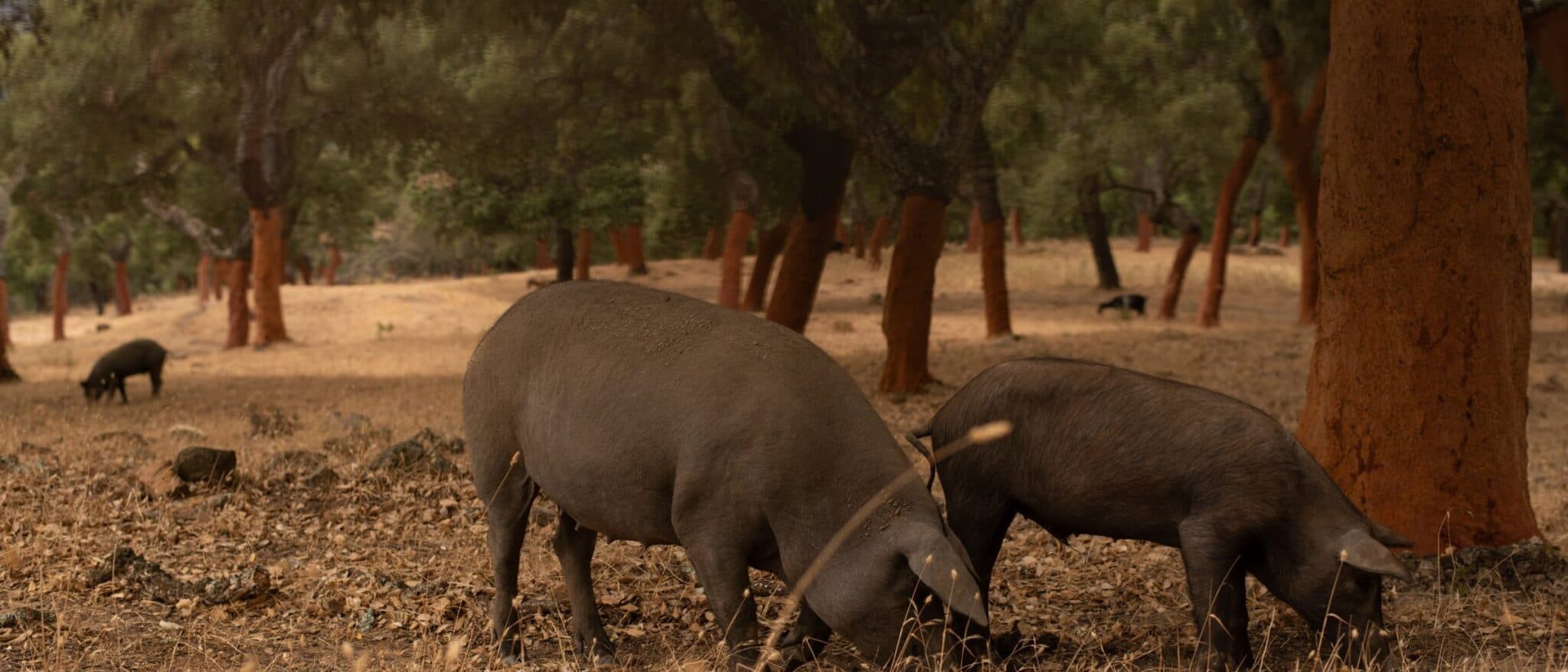
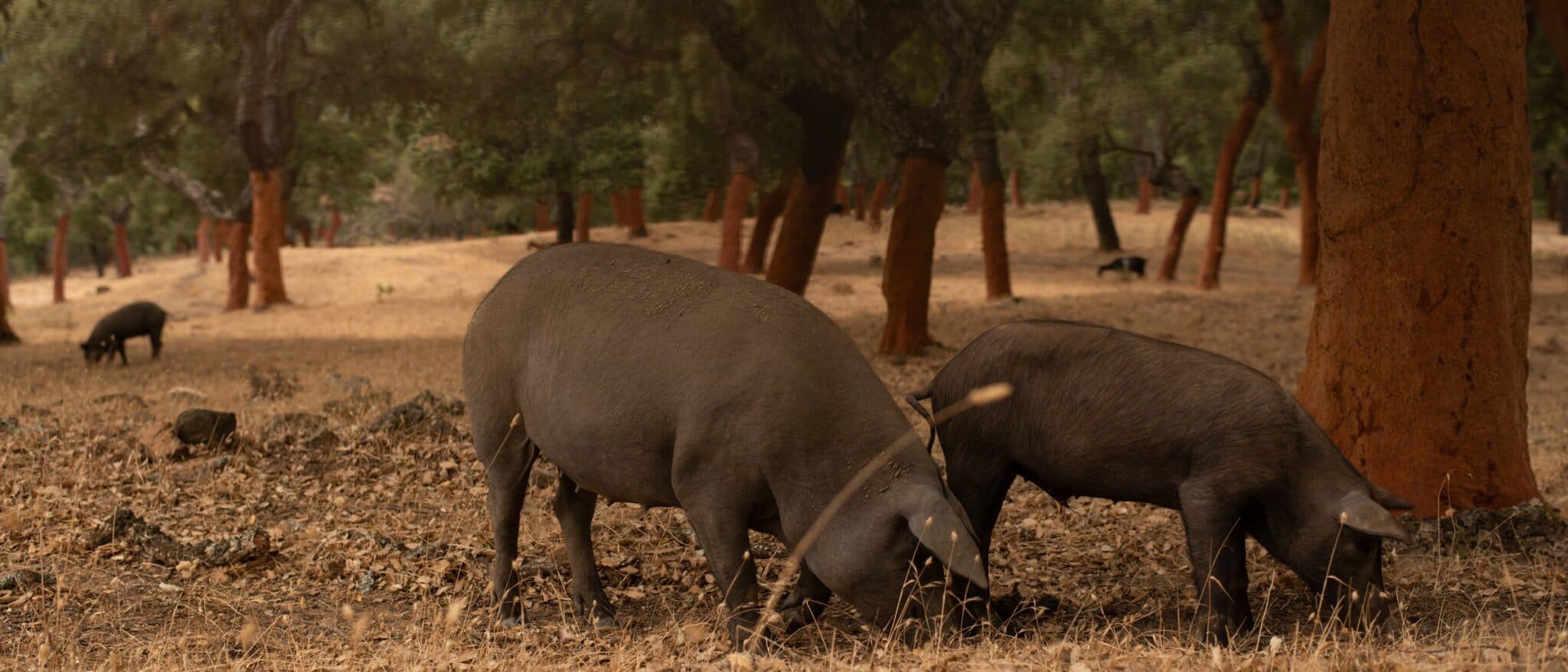
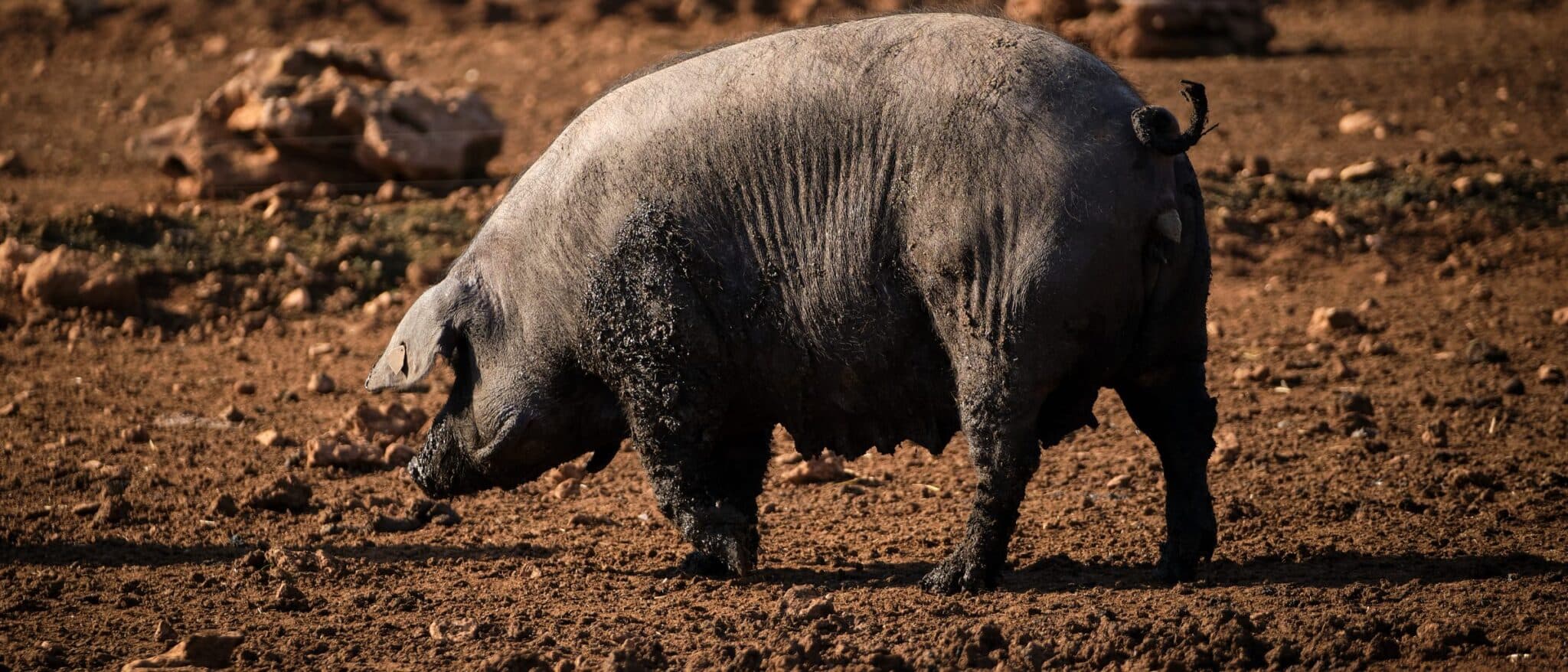
There is one month a year when you can walk through a complete montanera in the Sierra de Aracena, and it is this one. Spanish law requires acorn-fed Iberian pigs into the oak woods between 1 October and 15 December, and forbids slaughtering any of them before 15 December. November is the only stretch of the year when the dehesa is stocked to its legal maximum, the pigs are mid-fattening under the holm and cork oaks, and nothing has been taken out of it yet.
Down on the delta, the other half of Huelva’s November is happening at the same time. The Doñana marshes refill with the first autumn rains and the wintering birds arrive — and in at least one recent season November, not January, was the peak month for waterbird counts.
What the weather actually does
Huelva averages 20.0°C by day and 9.8°C at night in November, with 79mm of rain across 6.3 rain days and no frost. That is AEMET’s normal series for the Ronda Este station — and for Huelva the period is 1984–2010 rather than the standard 1981–2010, which AEMET flags itself.
Huelva is the mildest and driest of the Atlantic stations: 79mm against Cádiz’s 98mm and Seville’s 91mm, with fewer rain days than either. Twenty degrees by day with ten-degree nights is comfortable sierra-walking weather, which is the main thing you would come for.
What to actually plan around is not the temperature but the sunrise. Huelva has the latest in Andalucía — by 30 November the sun comes up at 08:22, against 07:52 on the 1st. That is thirty minutes lost at the front of the day while the evening loses only nineteen. Drive into the sierra for a morning walk late in the month and you will set off in the dark.
The rainfall tail: 98mm fell in a single day on 5 November 2001, and November 2019 delivered 22 rain days. Most Novembers are nothing like either.
Which week to book
The third week. The Ibero-American film festival runs 13–21 November in the capital, the montanera is fully underway in the sierra, and waterfowl season opening on the 15th tells you the marshes are at their autumn level. That week does the festival and the birds together, and the province is small enough to drive end to end in a morning.
Note the All Saints long weekend at the start — Saturday 31 October to Monday 2 November, with the paid holiday on the Monday because the 1st is a Sunday.
What is on in November 2026
- Sunday 1 November (confirmed) — the 21K Ciudad de Huelva half marathon, in the capital.
- Monday 2 November (confirmed) — the transferred All Saints holiday. Shops, offices and many municipal museums shut.
- 7 November (confirmed) — the 16th Maratón de Cala and the 11th BTT Zufre Maratón, both cycling events up in the sierra.
- 13 November (confirmed) — local holiday in Ayamonte, on the Portuguese border.
- 13–21 November (confirmed) — the 52nd Festival de Huelva de Cine Iberoamericano. The province’s flagship cultural event and one of the longest-running Ibero-American film festivals anywhere; the festival’s own site confirms the dates.
- 14 November (confirmed) — the 2nd Cross Descubrimiento at Palos de la Frontera, run around La Rábida, and the 3rd CXM Embalse de Beas mountain race.
- From 15 November (confirmed) — waterfowl season opens in the Doñana surroundings, Saturdays, Sundays and holidays only, through to 31 January. Woodcock opened on the 1st and thrushes open on the 15th; big game is open daily until February.
- 30 November (confirmed) — local holidays in Encinasola and El Granado, both up on the border.
- Late November (expected) — the Christmas lights switch-on in the capital, with a parade from the town hall to Plaza de las Monjas and a light-and-sound show on the Gran Vía. The city’s own Navidad site shows a 28 November switch-on at 19:00 but does not state the year; 2024 was the 29th. Huelva is one of only two Andalusian capitals where the lights reliably come on within November, so this is a genuine possibility rather than a long shot.
What to ignore
Two Huelva events get pulled into November and neither belongs there.
Aracena’s Feria Regional del Jamón y del Cerdo Ibérico is in October — 16–25 October in 2026, across two weekends. It gets misplaced into November constantly because people reasonably assume the ham fair must coincide with the montanera. It does not; it comes just before.
The Fuenteheridos chestnut fair is in December, around the Inmaculada bridge — the 2024 edition ran 6–9 December. The chestnuts are harvested in October and November in the Sierra de Aracena, but the fair that celebrates them is a December event. The 2026 dates had not been published when this was written; the Inmaculada falls on Tuesday 8 December.
We have also deliberately not named specific estates offering montanera walks: we could not verify from an official source which operators run them in November 2026. Ask the Aracena tourist office when you arrive — the answer changes year to year.
What life is like
The sierra is the story. The dehesas of the Sierra de Aracena y Picos de Aroche hold their maximum number of pigs in November, working through the legal minimum of 46 kilos gained over more than sixty days, under oaks that are dropping acorns. The chestnut harvest overlaps with it. The villages are cool, the walking is good, and the whole economy of the place is visible from the footpath.
Down on the coast and the delta, Doñana is filling. The national park authority describes the marsh flooding with the first autumn rains and then inundating progressively through winter, and names what arrives: mallard, teal, pochard, white-headed duck, lapwing, avocet, large flocks of flamingos and greylag geese. El Acebuche visitor centre is open throughout November on autumn hours — 08:00 to 15:00 and 16:00 to 19:00 — with no November closures in its published calendar.
On the numbers, be careful what you are told. The monitoring at Doñana runs monthly aerial censuses and the figure people quote is the January count. But in the 2023/24 season the peak month was November 2023, at 79,186 birds, against only 43,989 that January — the usual January peak never arrived in a dry year. November is a genuine high-count month in its own right rather than a warm-up. What nobody can tell you yet is what this winter will hold.
Sierra or coast
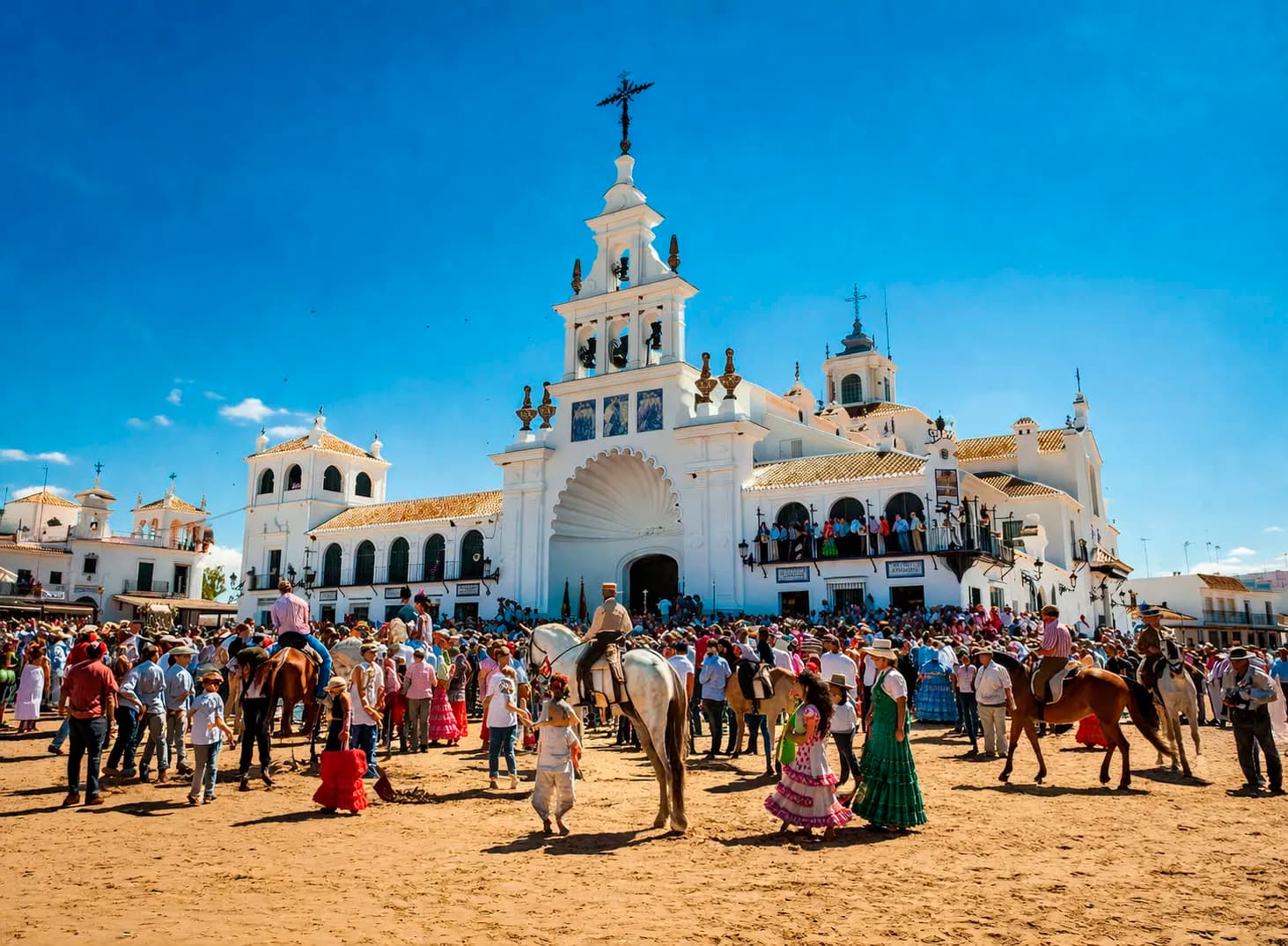
Sierra. Huelva’s beaches are long, flat and excellent in July, and in November there is nothing happening on them. The Sierra de Aracena is the opposite — at its best in the month when everything else in the province is winding down. Doñana is the third option and stands apart from both: if birds are the point, base yourself near El Rocío or Matalascañas and give it two days, because the marsh changes by the week as the water rises.
The one thing to do in November
Walk a montanera while it is still whole. Take one of the footpaths between the Aracena villages — Alájar, Linares de la Sierra, Castaño del Robledo, Fuenteheridos, Galaroza — and you will be walking through dehesa with pigs in it, under oaks dropping the acorns they are there to eat.
The reason it has to be November is written into the law. In October the pigs are only arriving and the montanera is incomplete. From 15 December the slaughter period opens and the dehesa is dismantled animal by animal through to March. November is the only month you see the entire thing in motion, at full stocking, with nothing yet removed. Pair it with the film festival in the capital on 13–21 November and the marsh refilling an hour south, and Huelva in November is the most internally coherent month in this province’s year — three things happening at once, all of them because of the same autumn rain.
Common questions
Is November a good time to visit Huelva?
For the sierra and for Doñana, it is the best month of the year. For the coast it is the wrong month. Twenty degrees by day and 79mm of rain makes it the mildest and driest of the Atlantic provinces.
Is Doñana worth visiting in November?
Yes, and more than its reputation suggests. The marsh is refilling, the wintering birds are arriving, and the visitor centres are open on autumn hours. November has recently outperformed January for waterbird counts in at least one season.
Can I see the Iberian pigs in the oak woods?
From the public footpaths around the Aracena villages, yes — the dehesa is at maximum stocking all month. For an organised visit to a working estate, ask locally; we could not verify which operators are running November visits in 2026.
Will the Christmas lights be on?
Possibly, in the last few days. Huelva is one of the two Andalusian capitals that reliably switches on inside November — recently around the 28th or 29th — but the 2026 date was not confirmed when this was written.
Where to go next
- The Huelva province guide
- November across Andalucía — how the province compares with the other seven
- October in Huelva, if you are choosing between the two months
- Playa de Doñana
- The Romería del Rocío and the Fiestas Colombinas, for a summer return
- The best hiking routes in Andalucía
- Christmas lights in Huelva and the fiesta calendar
Sources
Weather: AEMET, Valores climatológicos normales, Huelva Ronda Este, period 1984–2010. Sunrise and sunset: Instituto Geográfico Nacional / Observatorio Astronómico Nacional, Salida y puesta de Sol 2026. Film festival: Festival de Huelva de Cine Iberoamericano. Sporting events and provincial calendar: Diputación de Huelva. Local holidays: Resolución de 6 de octubre de 2025, BOJA no. 197. Montanera rules: Real Decreto 4/2014, articles 6.3 and 6.4. Doñana ecosystems, bird species and visitor-centre hours: Ministerio para la Transición Ecológica, Parque Nacional de Doñana. Waterbird census figures: CSIC. Hunting periods: Junta de Andalucía 2026/27 season. Aracena ham fair dates: Junta de Andalucía cultural agenda. Fuenteheridos chestnut fair: Diputación de Huelva. Christmas lights: Ayuntamiento de Huelva.