 Travel
Travel
September in Jaén: the rut starts in Cazorla, and the olives are still on the trees
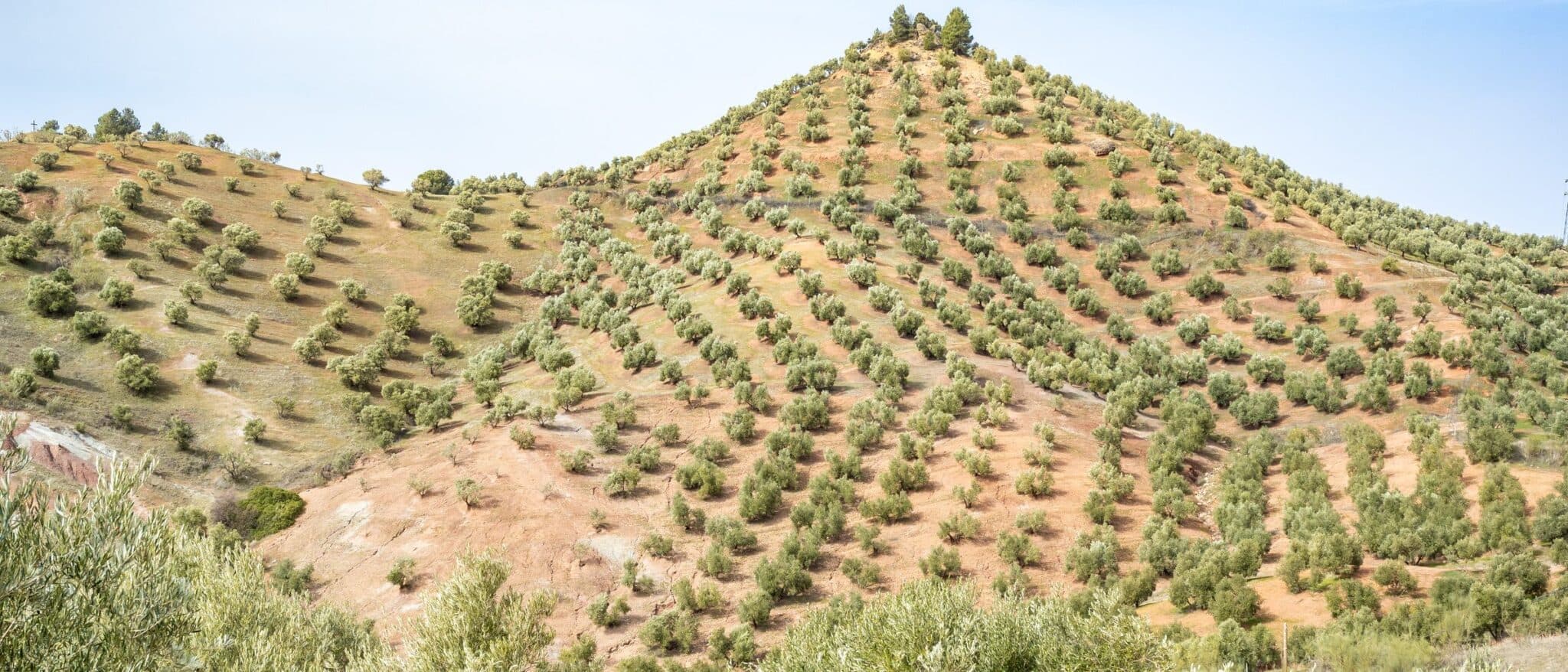
Half the guides will tell you September is olive harvest in Jaén. It is not — picking starts in late October. What September actually brings is walkable mountains and the red deer rut.
Jaén is the province of olive oil, and September is the month most travel writing gets wrong about it. The olive harvest does not happen in September. Picual picking starts in late October and runs into February. What is happening in September is that the mills are being cleaned and the crop is being assessed.
What September does bring is the two things Jaén is genuinely best at — the Renaissance towns and the mountains — becoming comfortable again.
What the weather actually does
Jaén city, at 580 metres, averages 27.7°C by day and 17.8°C at night in September, with 26mm of rain. The station sits on the town’s hillside, which keeps its nights milder than the surrounding olive plains; the valley floors around Úbeda and Baeza run hotter by day and cooler by night.
The mountains are where the altitude pays. The visited parts of the Sierras de Cazorla, Segura y Las Villas sit between 1,000 and 1,600 metres and run roughly 6–10°C cooler than the capital. By mid-month that turns Cazorla from too hot to walk in into the best hiking weeks of the year.
Those 580 metres are also why the capital reads cooler than Córdoba or Seville. At 15:00 in the first week you will not notice it; by 21:00 you will. The month then takes about 45 minutes of evening daylight, so dinner outdoors on 1 September and dinner outdoors on 30 September are not the same meal.
Which week to book
If you can only take ten days, take the last ten.
The first ten days of September in Jaén are still August. The heat has not broken, the olive plains sit under it all day, and the sierra is only pleasant before about 11:00. From roughly mid-month it turns: the high ground becomes walkable in the afternoon, the Renaissance towns can be crossed on foot at midday, and the rut starts. The last ten days are one of the best travel windows in the Andalucian year, and Jaén shows it best, because both of the things you came for improve in the same fortnight.
The exception is the end of the month, when the Feria de San Miguel fills Úbeda. For a quiet town and a cool sierra, take the third week.
What is on in September 2026
- 27 August – 1 September (confirmed) — Real Feria y Fiestas de San Agustín, Linares. The provincial tourism portal lists these dates for 2026; the tail falls into September.
- 8 September (feast day, fixed annually) — Romería del Cristo de la Yedra, Baeza. The feast is fixed; the romería falls on a Saturday near it (7 September in 2019, 6 September in 2025). No 2026 date was published when this was written, so ask the ayuntamiento.
- Second and third Sundays (expected) — «Las Moniduras», Mancha Real. Sung processions with sixteenth- and seventeenth-century roots; the town’s tourism page traces them to the Cofradía de Santa Elena, founded 1595. Other accounts give the third and fourth Sundays. No fixed dates are published, so ask locally.
- 1–30 September (confirmed) — Jornadas Artísticas, Úbeda: an international watercolour show and art market, listed all month.
- 28 September – 4 October (confirmed, with a wrinkle) — Feria de San Miguel, Úbeda, with the fairground and the bullring. Úbeda’s tourism calendar gives these dates for 2026, though the description on the same page says the feria starts on the 27th. The fixed part is the saint’s day, 29 September, when the city was taken in 1233.
The province’s big set piece is later: the Feria de San Lucas runs 9–18 October and always ends on the 18th.
What life is like
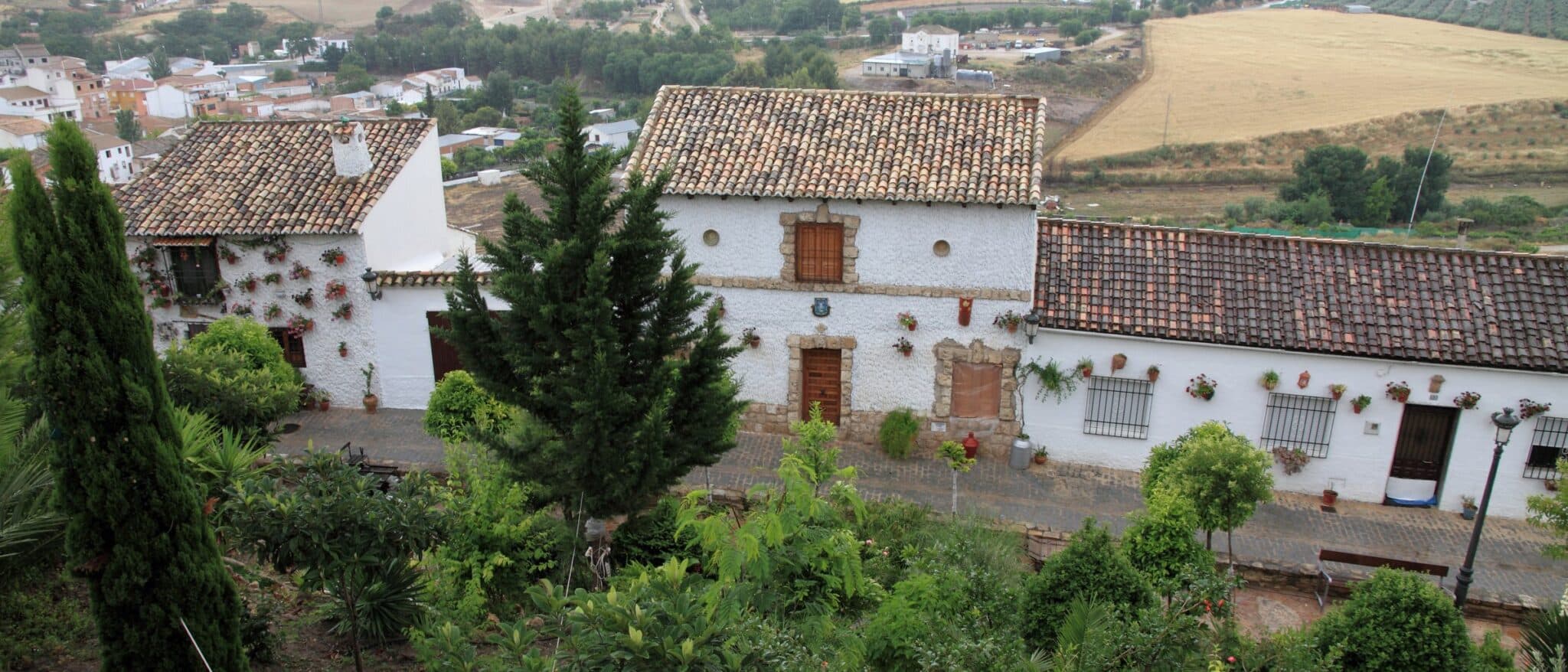
Quiet, and getting cooler. The olive plains are waiting. Úbeda and Baeza — two UNESCO-listed Renaissance towns twenty minutes apart, and the reason to come to this province at all — are pleasant to walk again after a summer that makes them hard work.
The Sierras de Cazorla, Segura y Las Villas is the largest protected natural area in Spain. In September it stops being a place you drive through with the air conditioning on.
The olive year deserves plain speaking, because the photographs that circulate under the word “harvest” were mostly taken in November. In September the fruit is green and hard, the mills are shut and being scrubbed out, and crews are being lined up for a start six weeks away. The counting is the September job: the Junta’s crop forecast, the aforo del olivar, has landed in early October for several years running, so the fieldwork behind it happens while you are there.
Doing the berrea: where, when and how close
The berrea is the red deer rut, and the Junta de Andalucía puts it between mid-September and early October, heard mainly at dawn and dusk. The plan: be somewhere useful before it gets light, or an hour before dark.
The Junta names this park first: a large deer population, and routes to reach it. Most people start in the Guadalquivir valley, which the A-319 runs up past the Torre del Vinagre visitor centre. The alternative is higher, on the open grass of the navas: the Diputación de Jaén’s description of Nava del Espino, at 1,430 metres on the road up from Cazorla, notes fallow deer feeding there at the right hour.
The official guidance is thinner than you might expect. The Junta asks visitors to use waymarked routes so they reach observation points without altering the animals’ behaviour, and recommends specialist guides. The Diputación asks you not to frighten or pursue wildlife and to drive cautiously, because hitting a deer is the real risk on those roads before sunrise. No minimum distance in metres is published officially, so the working rule is simple: stay on the road or the marked track, keep your voice down, keep lights off the animals, and let the stag decide how close it gets.
You do not need a guide. The A-319 is a public road, and if you park sensibly and stand still at first light you will hear it. What a guide buys is knowing which clearings held stags last week, and a 4×4 that gets you above the valley road in the dark. Take binoculars and a warm layer, and accept that you may hear everything and see nothing.
The one thing to do in September
The berrea — the red deer rut in Cazorla. It starts in the second half of September and is over by mid-October. The stags roar at dawn and dusk, and in the Cazorla valleys you hear it before you see anything.
It needs an early start and patience, and it is one of the few genuinely wild spectacles left in southern Spain. Guided dawn outings run from Cazorla town and the surrounding villages; going alone works too if you know where to sit.
Common questions about September in Jaén
Is September a good time to visit Jaén?
The last ten days are excellent; the first ten are still summer. From mid-month the sierra becomes comfortable to walk and the rut begins.
Can I see the olive harvest in September?
No; it is the most repeated error about this province. Picual picking starts in late October and runs into February, so September gets you green fruit on the tree and mills closed for cleaning; if the harvest is the reason for the trip, look at Andalucía in October or later.
Do I need a car for the berrea?
Yes, or a guided outing that supplies one. The hours you need, before first light and at dusk, are not hours any bus serves.
Will it rain?
Probably not much: the September average for Jaén is 26mm. The risk is one violent gota fría afternoon rather than a damp fortnight, so put your sierra days early.
Where to go next
- The Jaén province guide
- September across Andalucía
- The best hiking routes in Andalucía
- Feria de San Lucas — October, and the one date in Andalucía you can book a year ahead
- Renting a car — Jaén province is not doable without one
More from Jaén
Travel