 Travel
Travel
September in Huelva: a mountain romería, the last dry beach month, and no one there
The least visited coastal province in Andalucía, in the last month before the rain arrives — and the one weekend the Sierra de Aracena fills up.
Huelva is the province most people skip, and September is the month that most rewards not skipping it. The Atlantic beaches of the Costa de la Luz are long, empty and still warm; the Sierra de Aracena is walkable again; and there are two things happening this month that draw almost no foreign visitors at all.
What the weather actually does
Huelva averages 29.4°C by day and 17.3°C at night in September, with 26mm of rain spread over about two days.
The number that matters is the one after it. In October, rainfall jumps to 65mm over about six days. September is the last dependably dry beach month on this coast, and the change is abrupt rather than gradual.
The Atlantic here runs around 21.4–21.9°C — the coolest water of the five coastal provinces, a degree or so below the Mediterranean. Doñana’s marshes are at their lowest and driest now; the migrating birds build from late September onwards.
Those averages hide the shape of the month. The first ten days are August with the calendar changed: same heat, same glare, same refusal to go outdoors before six. The last ten are one of the best travel windows of the year, and the sea is the argument for September over June: the Atlantic peaks now.
Two things to plan around. The month costs about 45 minutes of evening daylight, which matters if you meant to get off the sierra in the light. And it opens the gota fría season: one violent day rather than a wet fortnight, but capable of most of that 26mm at once.
Which week to book
Book the last ten days if the dates are yours. The heat has broken, the sea is still at its warmest, the coast has emptied, and the sierra is walkable again.
The catch, stated plainly: both set pieces fall in the first eight days, so a trip around them lands in the hot half. Split by altitude instead. Coast in the first week, up to the sierra only for the fiesta; sierra from the 10th, beach as an afternoon.
What is on in September 2026
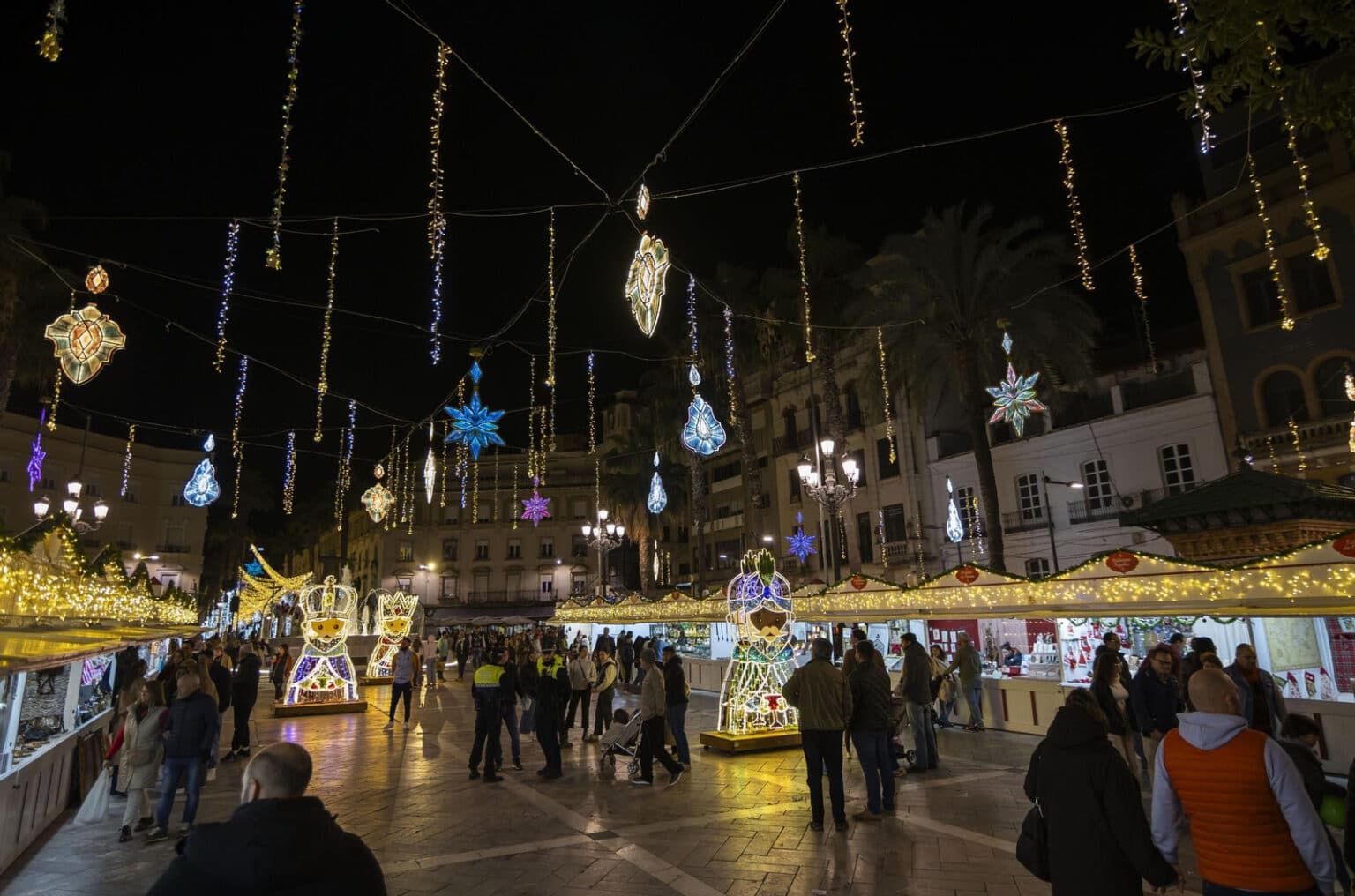
Fiestas de la Cinta, Huelva city. The novena runs 28 August to 5 September, with the Ofrenda Floral on Sunday 6 September, the solemn procession on Monday the 7th, and the feast day and the Subida — returning the Virgin to her sanctuary — on Tuesday 8 September.
Confirmed for 2026 in the city’s calendar of cultos. It opens earlier than visitors expect: the Bajada brings the Virgin down to the cathedral on Sunday 23 August. The 8th is fixed annually, the feast of the Nativity of the Virgin.
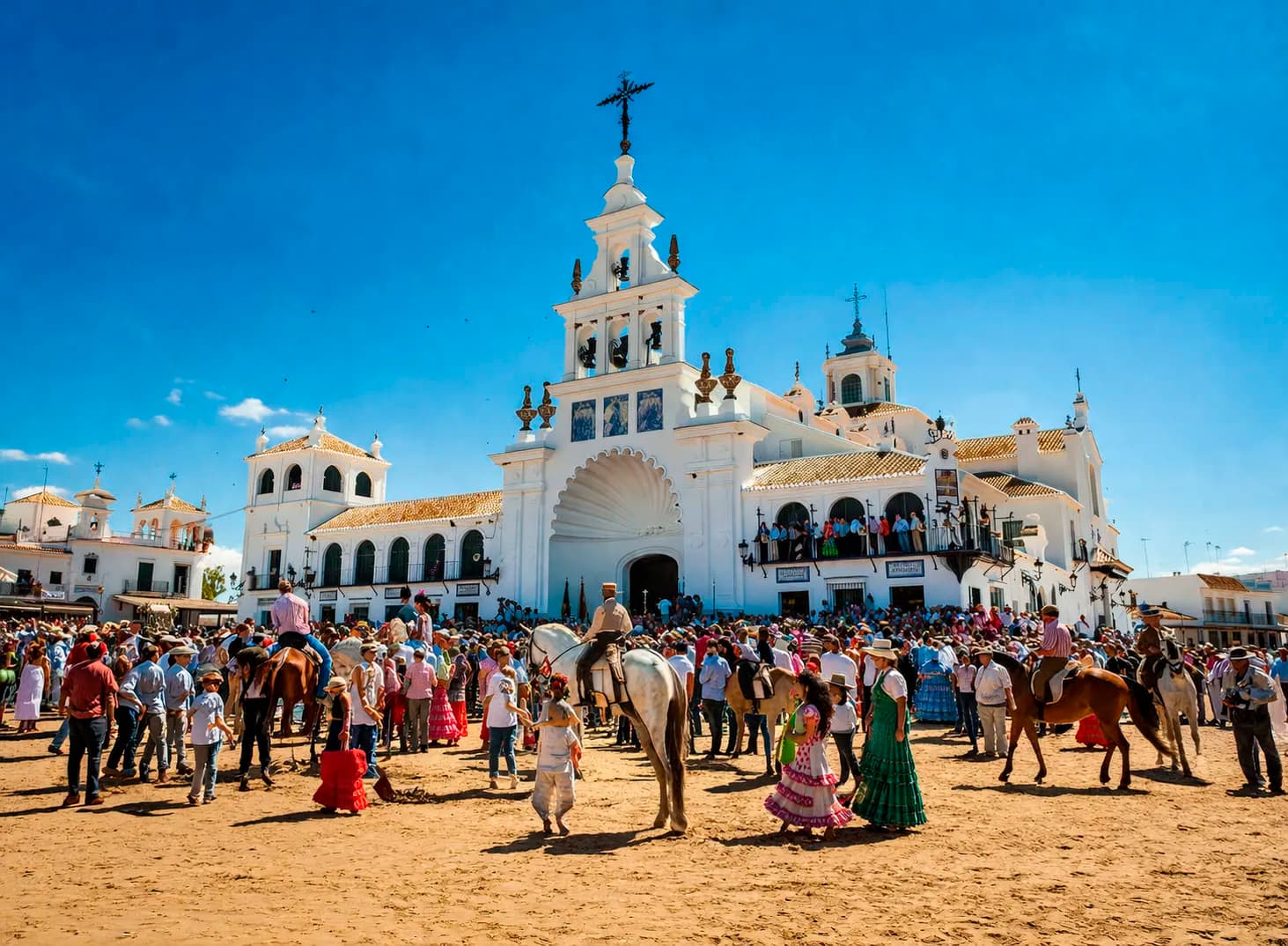
Romería de la Reina de los Ángeles, Alájar — 6–8 September. A Fiesta de Interés Turístico Nacional held up at the Peña de Arias Montano, a rock outcrop in the Sierra de Aracena with a hermitage on it. It is the best thing in the province this month and it is missing from most guides.
Fixed annually around 8 September, confirmed for 2026, with the novena from 31 August to 8 September. The Poleo, the mounted climb to the Peña, leaves at 11:00 on the 7th, and the hermandad is blunt: it goes on the hour and waits for nobody. On the 8th the Hermandad Matriz sets out at 08:00, followed by the neighbouring brotherhoods.
Two smaller romerías follow, both confirmed for 2026: San Isidro Labrador at San Juan del Puerto (11–13 September) and the Virgen del Socorro at Rociana del Condado (12–13 September).
Note that the Fiestas Colombinas are early August, not September — they always end on the 3rd.
What life is like
The Condado de Huelva finishes its zalema harvest around Bollullos par del Condado in the first days of the month. Up in the Sierra de Aracena the figs are drying, and the chestnut and mushroom season — which is what the sierra is really about — is still a month away.
The coast empties over the first weekend. Matalascañas, Punta Umbría and Isla Cristina go from full to quiet in about three days.
What follows is the emptiest good coastline in Andalucía. These are Spanish holiday beaches, not international ones, so when the Sevillanos drive home no second wave of foreigners takes over as it would on the Costa del Sol. The towns just go quiet.
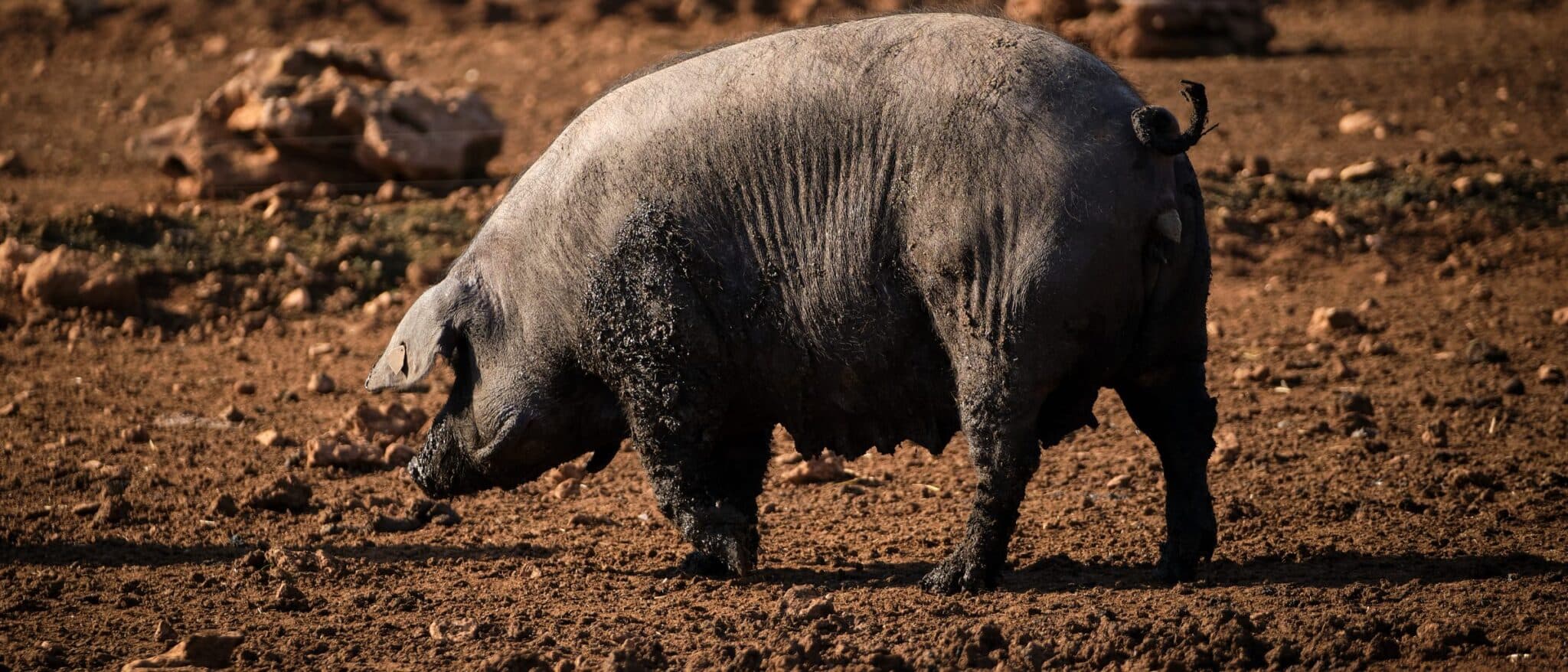
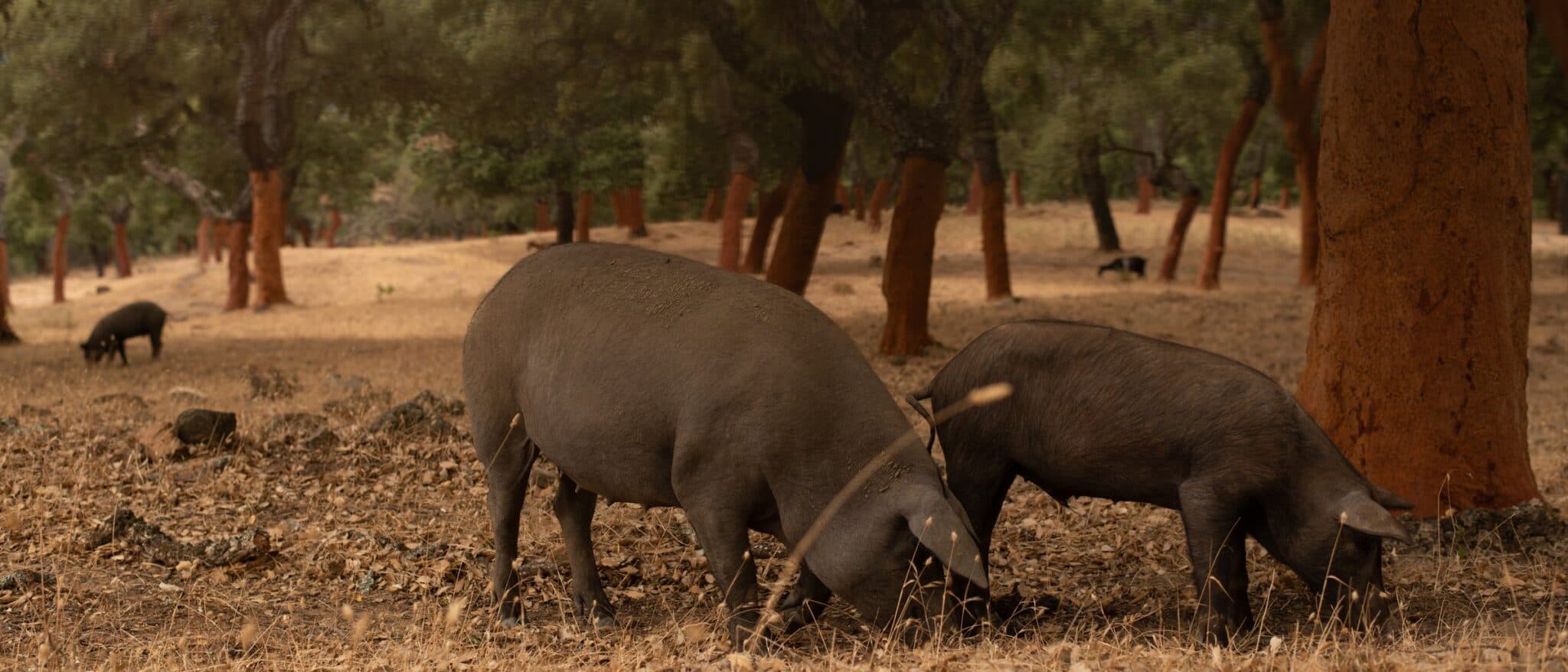
One correction for anyone planning a trip around ham. The montanera, when the Iberian pigs go into the dehesa for acorns, runs October to March. Nothing seasonal happens with jamón de Jabugo in September. The secaderos work all year, but the pigs are not under the oaks yet.
Coast, marshes and sierra: how to split the time
Huelva province is three separate places an hour or more apart, which ruins most first itineraries. Alájar is about 110 km from Huelva city, off the A-49 and then the N-435 and A-470; Doñana is on the far side of the province. Nobody does the sierra and the marshes in a day.
Two bases beat one. The Doñana centres cluster: La Rocina 1 km south of El Rocío, El Acebrón 7 km beyond, El Acebuche 3 km north of Matalascañas, all with free trails and hides, and the guided park tour leaves from El Acebuche. Half a day is enough in September, when the lagoons are often dry.
A car is for the sierra, not the province. Bus provision in these mountains is thin enough that in 2021 the Defensor del Pueblo intervened over villages left with one bus out and one back a day.
The one thing to do in September
Alájar’s romería on 7–8 September. Up on the Peña, in mountain air, with no coach parties and no infrastructure built for visitors. It happens once a year and it is the kind of thing this province has instead of a tourist industry.
That absence of infrastructure cuts both ways. There is no coach service to the Peña, and the sanctuary stands at 746 m above the village on a mountain road built for far fewer people than turn up. No official source sets out how parking works, so do not count on driving to the top. Be in the village early and ready to walk up.
Pair it with a couple of days walking between the villages of the Sierra de Aracena — Almonaster la Real, Linares de la Sierra, Castaño del Robledo — which is one of the best walking areas in Andalucía and almost unvisited by foreigners.
These paths are short and old, which is why they work. The waymarked SL-A 126 from Linares de la Sierra to Alájar is 3.8 km, rated at an hour and a half, easy except the last 500 m. Chain two or three in a day, after the 10th if you can.
September in Huelva: common questions
Is the sea warm enough to swim in September?
Yes, and it is the warmest it gets all year. The Atlantic off Huelva peaks at 21.4–21.9°C in September, better swimming than June, though it stays the coolest water of the five coastal provinces.
Early September or late September?
Late, unless you are coming for a fiesta. The last ten days bring the emptier coast, the cooler sierra and lower prices; the first ten are August in all but name. The Cinta and the Alájar romería are fixed around 8 September, so those dates choose themselves.
Do I need to hire a car for Huelva province?
For the Sierra de Aracena, effectively yes; for the coast and Doñana, no. Buses reach the main coastal towns and El Rocío, but the mountain villages share a sparse network, and a trip taking in Alájar, Almonaster la Real and Linares de la Sierra needs a car.
Where to go next
- The Huelva province guide
- September across Andalucía
- Andalucía in October — where that 65mm goes
- Romería del Rocío — the province’s great set piece, at Pentecost
- The best hiking routes in Andalucía
- Renting a car — the sierra needs one
- Driving in Andalucía — for the mountain roads